Daily Cosmonaut #9: Learning Through Writing
The process of writing GOOD TROUBLE: Building a Successful Life & Business with Asperger’s was the hardest thing that I’ve ever done. I’ve heard this same thing from authors many times before. It speaks to the unique way that looking at a situation from a nuanced distance and some objectivity and research challenges our conceptions and memories of events. Like traveling, writing in this capacity forces us to look at our lives from a different outside perspective and actually hardens or changes our perspectives. I think this is a very powerful and healthy thing. Often in talking to our authors I feel like how someone feels about this is a good litmus test for assessing their future as a writer.
Part of writing a book is facing the critical reception that all books undergo and discovering that no reader looks at the events in the same way that the author does or finds the same details to be as relevant, interesting, or revealing. Indeed, Microcosm sent out about 500 advanced reader copies of Good Trouble to people that Taylor, our publicity person, thought would be interested in them. When it’s my own writing that we are promoting, I have to take more of a backseat in the decision making since my opinions are anything but objective; I’m just too close to the subject matter. Nonetheless, it’s been exciting and heartwarming to see how outsiders read the book and what they take away from it. And it doesn’t hurt that the first two reviews have both proven to be incredibly flattering and really “get” the core of the subject matter: that Asperger’s, throughout my life, was both my greatest weakness and my best strength. Once I learned to harness its powers, the former began to fall away and I was left with some of the best of both worlds.
Both reviews and the podcast interview are from people from the creative world, one from a fellow publisher and one from a woman with a similarly creative background. I’m really excited to see more critical reception, good and bad, especially from people who have training in psychology and those outside of my subcultural world. It makes me look at my previous work in a different light–not that I don’t like it anymore but that I could have pushed myself harder. Because that’s how this book helped me develop deeper understandings of events close to me, even those from five, ten, twenty, and thirty years ago.
 1. What do you do at Microcosm? What parts of the work you do here (and used to do as an intern) are the most entertaining?
 4. Favorites!
 Once upon a time Microcosm was located in a church basement on Ivy Street. We had two and later three adjoining offices. We had a lockable accordian-style door that sectioned off the crawl space under the stairs and a few shelves for warehouse storage. We added a separate room across the building when the boxes were stacked so densely that we could not add one more. We filled every inch of our office and its closets with boxes and then I began filling up my basement at home. When there was indisputably no more room and the landlord raised the rent, it was time to go. We lived holed up in various staff members’ basements and a series of too-small walk-in locations from 2007 until 2010 when we dumped it in all in a big drafty industrial building and signed a deal with a trade distributor to warehouse about 50% of our books.
  So eventually we found a solution that would work: a fence. Within the height limits and distance from the sidewalk, a fence can create a little privacy and allow for more storage. So over the past 18 months we’ve been steadily under construction and hopefully as a result, we should have enough room for the next two years. This process has forced us to be much more careful about what we publish and how many copies we print. We’ve been teetering close to our tipping point for many years but often that tension can be energizing rather than collapsing.


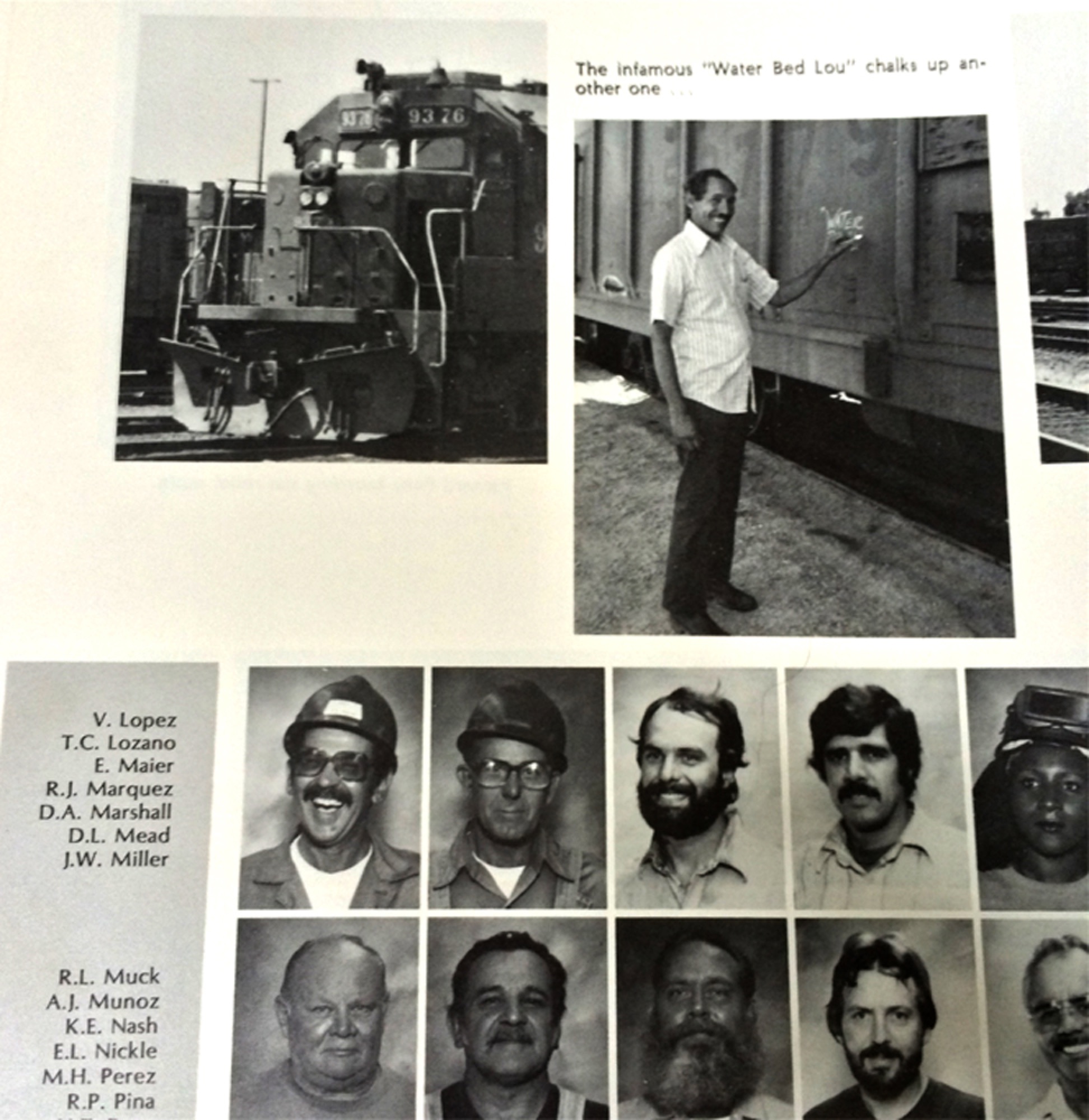
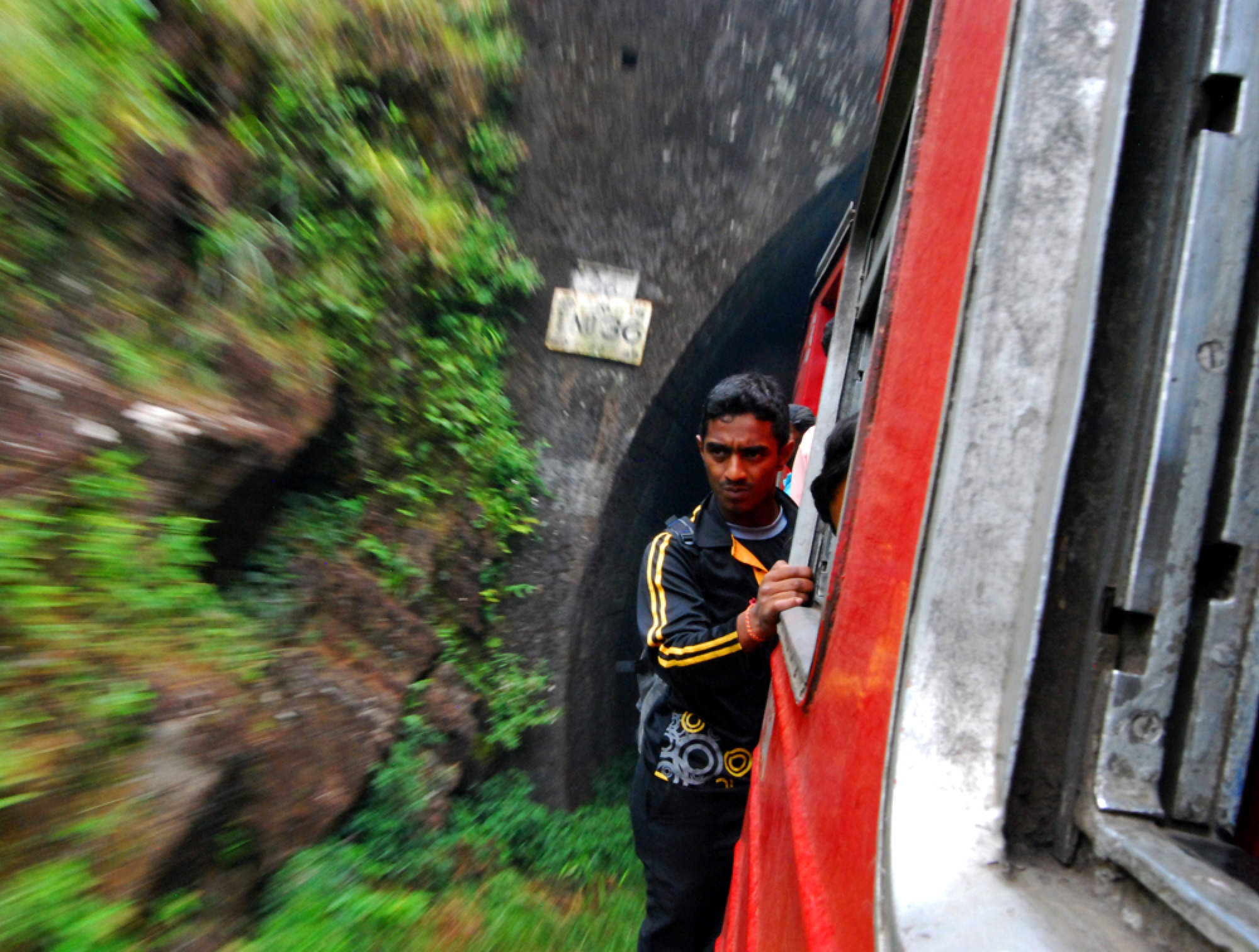
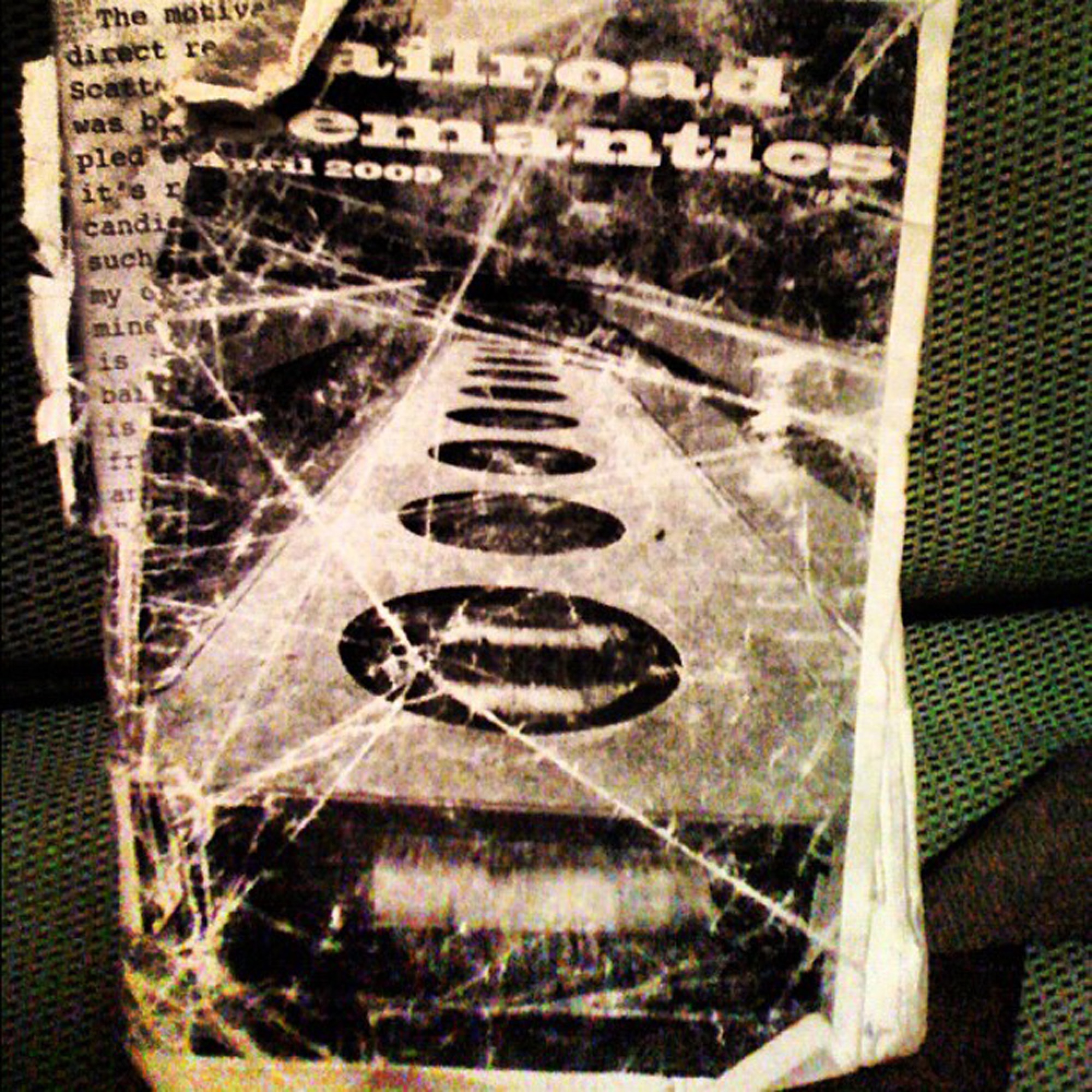 1. How did Railroad Semantics, the zine, start? How did they end up becoming books?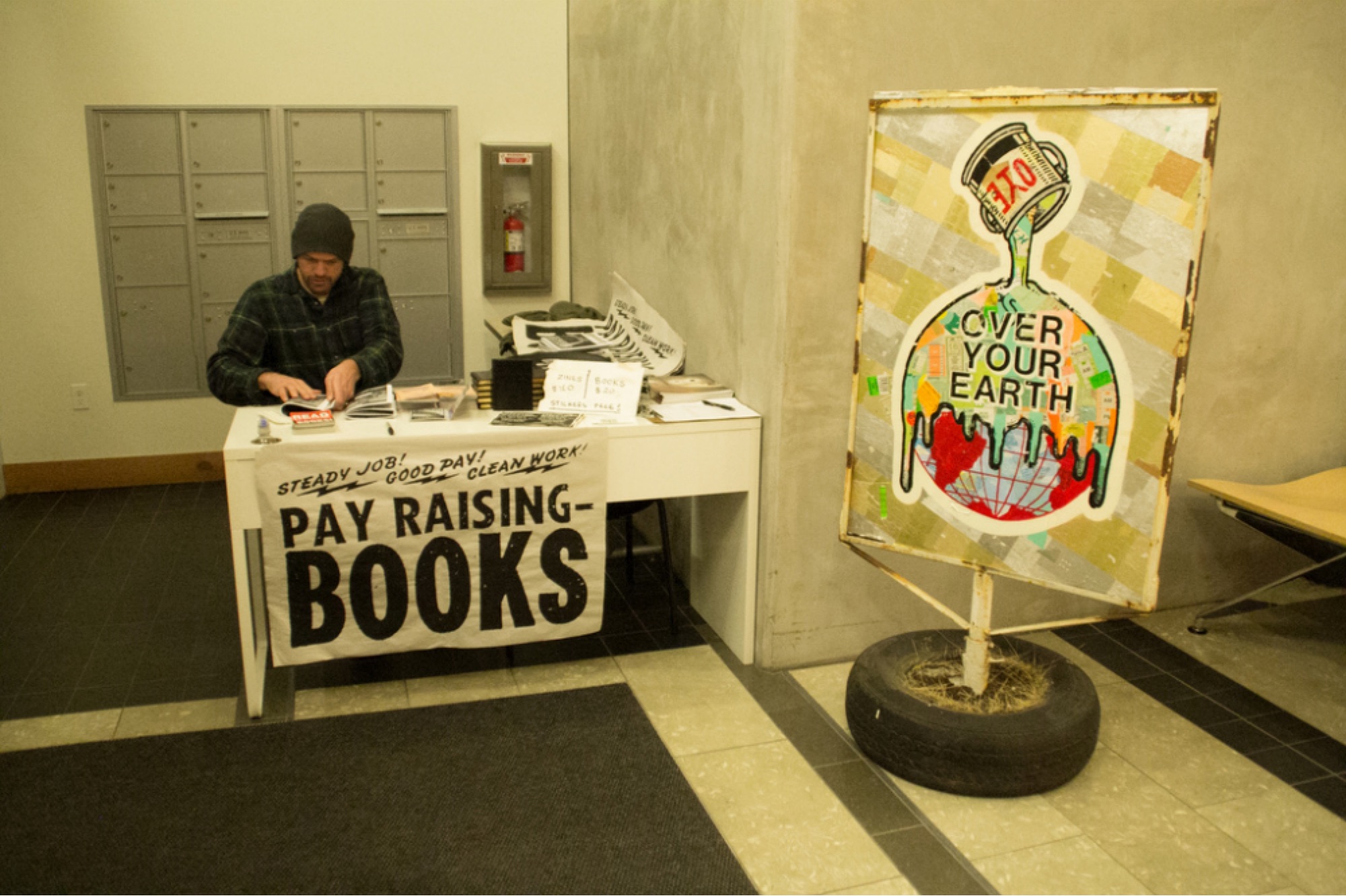
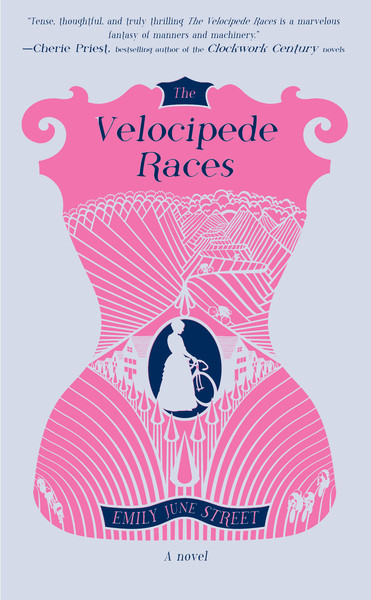
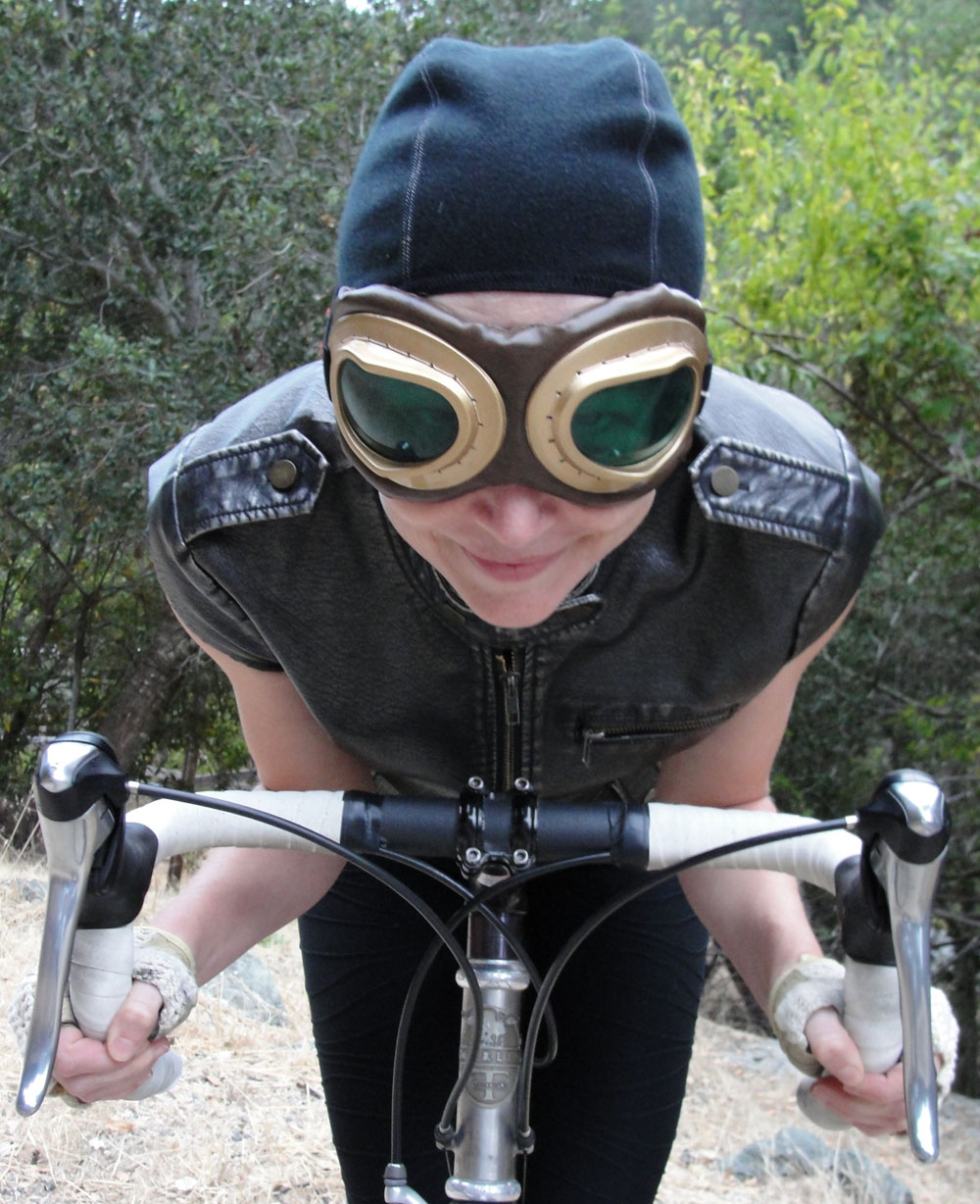 “A tough girl rebels against stifling gender rules in a quasi-historical steampunk world, dreaming of racing her bicycle in the cutthroat velocipede races. But can her dream survive scandal, scrutiny, and heartbreak?” That’s how