Business of Publishing: What to Expect When Submitting Your Work
 I wrote a book that I, personally, absolutely loved and felt like it represented everything about me as a person and as a writer. I submitted the hell out of that manuscript. After 68 rejections (too personal, too raw, too dark, too taboo, etc.), I just put the manuscript away and worked on other books. Two years later, I submitted an essay to a contest. The editor loved my essay (which won!), and emailed me asking if I had a manuscript. The one I was working on at that time wasn’t ready yet. I remembered the first book I wrote—the one I loved, the one that defined who I was when I wrote it. I thought, “What the hell? Why not send it?”. I sent it. She loved it. Nine months later it was published. I had found the right editor at the right time and presented to her the right manuscript, and behold! Most of the time that is how publication works. So submit away and keep submitting post-rejection! Your work is always one submission away from acceptance.
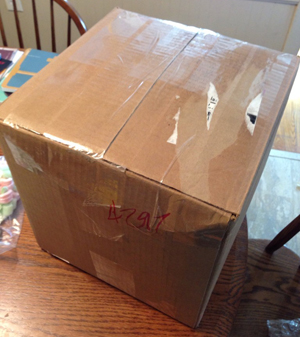
797 is a model of Boeing airplane. It is also the number of rejections that I’ve received over the past five years. During that time I’ve submitted my writing for publication 1,380 times. That’s a lot of Nos, a lot of Unfortunatelys, a lot of We appreciate the chance to read your work, howevers. And that’s okay. Rejection is a part of publication. Of course, even after we accept that, it doesn’t mean that rejections don’t hurt our feelings—especially if we’re totally in love with the publisher that we submitted to. Fortunately, rejection is not a death sentence and doesn’t have to be a confidence cut-down or a personal attack on the writer’s self-worth. Rejection is merely someone saying, “Not quite, but keep trying.” In many cases, the only problem is that the submission is simply not right for that press or publication.
I have been keeping track of the submission process and statistics from the results through the past five years.
Total Submissions: 1,380
Acceptances: 121 (9%) (4 of which were books)
Rejections: 797 (57%)
Withdraws: 430 (31%)
Still under consideration: 32 (3%)
Only about 10% of my total submissions were accepted. There is no “normal” or “average” here as every genre or market is a bit different, but it seemed relevant to share here because writers tend to get so distraught after a few rejections and give up. Having a larger set of data over a longer period of time offers a much greater opportunity for creating perspective.
I’ve edited for a number of journals and magazines, and I have always hated sending rejections. It’s never a fun thing to do, especially if you really love the piece and believe in it, but you just published something exactly like it, or the story is good but the writing’s not, or vice versa, or if it’s an awesome piece but just doesn’t fit within the scope of what the journal or publisher promotes and represents. There are as many reasons as to why a piece is rejected as there are the number of pieces rejected.
This can seem devastating. Or discouraging. Or just flat-out shitty. So what, as writers, can we do to survive the rejections and keep our writing and self-confidence alive?
· Do not try to argue your piece into publication. The manuscript itself is your argument. If you submitted and got rejected, don’t be personally offended by the rejection and feel like you have to fight for your manuscript or argue with the editor or publisher that they really have to publish this! If the publisher said no, it’s because s/he is saying no to the work you presented, not to you personally. If you think the publisher maybe didn’t get what you were trying to do in your piece and so you feel like you need to argue with her/him to get your point across, then what you really need to do is revise the way that you present your manuscript. The cover letter and work itself should make your best argument.
· You are not your work. Yes, you might write really personal pieces and it can feel like your writing is yourself, but writing is a craft. Writing is a job. Do you define yourself solely on the job that you have? You are more than a job. You are a writer—but the actual writing is not you.
· Say you wrote a kickass zine about how to knit cell phone cases using recycled materials. That’s great! But if there are dozens of other zines about how to knit computer cases using recycled materials, then your zine may not be needed or appreciated as much. It doesn’t mean your work sucks, it just means fate didn’t help you out on that one, and so off to another outlet or project you shall go to see if they, too, not only love your zine, but are looking for something along the lines of what you have to offer.
· Rejection means that someone is reading. Regardless of what the response to your writing is, isn’t it kinda neat that someone is reading and considering your work in the first place? Writing is a lonely field, so even a rejection is a connection.
· Multiple rejections are encouragement to work more on your piece. Even though you might love your writing, it may keep getting rejected all over the place. That just means that there’s probably something about it that’s not quite working or you are not reaching the right outlet. Set it aside. Work on something else for a bit. Come back to it. Rejection is feedback. Listen to it.
· The fact that you’re even submitting—hell, that you’re even writing—is pretty fantastic! Remember that.
· Also remember that you won’t ever get anything published if you don’t submit it. Post-rejection, revise if needed and keep submitting! To come full-circle: rejection is a part of the publication process, just like submitting, just like waiting, just like writing. Keep at it. Always.
Chelsey Clammer is a creative nonfiction writer in Minneapolis building a diverse and prolific body of work while utilizing the power of spreadsheets and metrics.
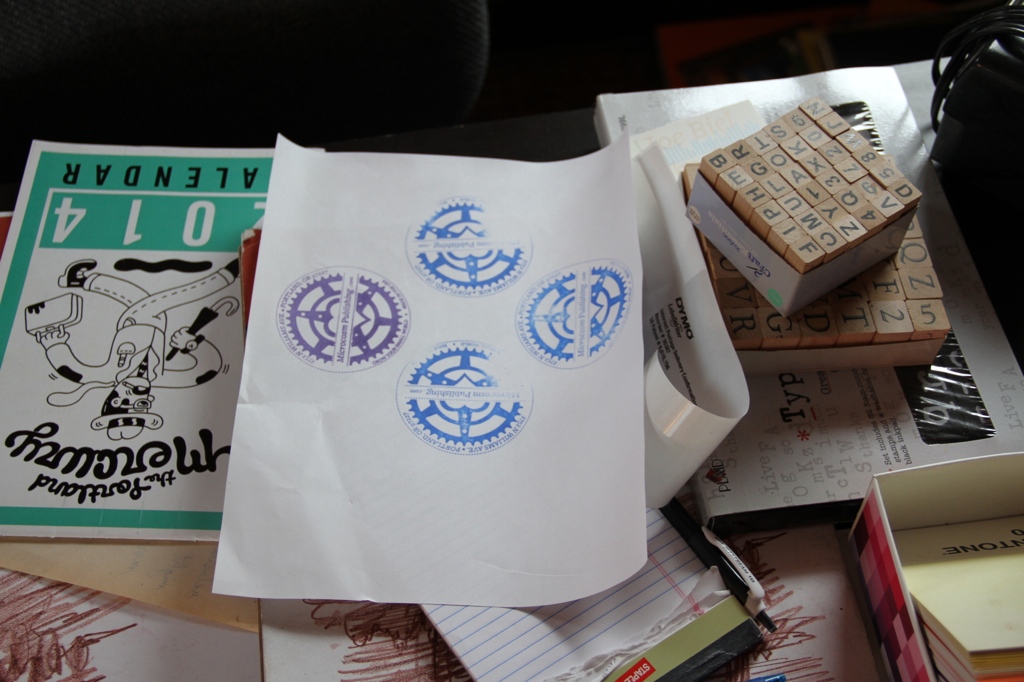 In 2014 at the Pacific Northwest Booksellers Association (PNBA) trade show, as Microcosm was debuting Erik Spellmeyer and Jamie Floyd’s
 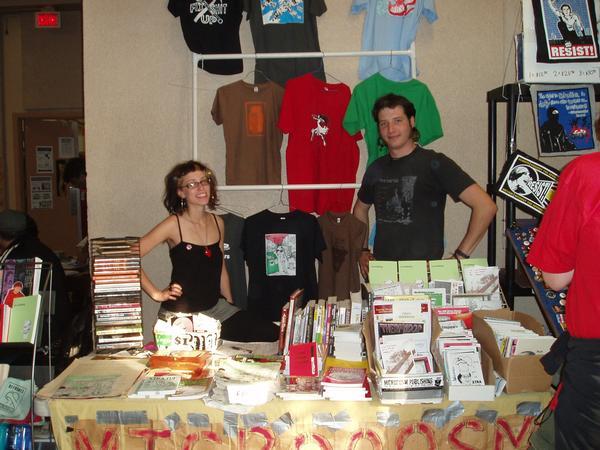 In 2007 while Microcosm was at the Bay Area Anarchist Book Fair, a couple approached our table during the last hour minutes of the final day. They pawed around through our displays for a few minutes and then, looking concerned, before finally asking “Hard times, huh?”

 1. What do you do at Microcosm? What parts of the work you do here (and used to do as an intern) are the most entertaining?
 4. Favorites!
 Once upon a time Microcosm was located in a church basement on Ivy Street. We had two and later three adjoining offices. We had a lockable accordian-style door that sectioned off the crawl space under the stairs and a few shelves for warehouse storage. We added a separate room across the building when the boxes were stacked so densely that we could not add one more. We filled every inch of our office and its closets with boxes and then I began filling up my basement at home. When there was indisputably no more room and the landlord raised the rent, it was time to go. We lived holed up in various staff members’ basements and a series of too-small walk-in locations from 2007 until 2010 when we dumped it in all in a big drafty industrial building and signed a deal with a trade distributor to warehouse about 50% of our books.
  So eventually we found a solution that would work: a fence. Within the height limits and distance from the sidewalk, a fence can create a little privacy and allow for more storage. So over the past 18 months we’ve been steadily under construction and hopefully as a result, we should have enough room for the next two years. This process has forced us to be much more careful about what we publish and how many copies we print. We’ve been teetering close to our tipping point for many years but often that tension can be energizing rather than collapsing.

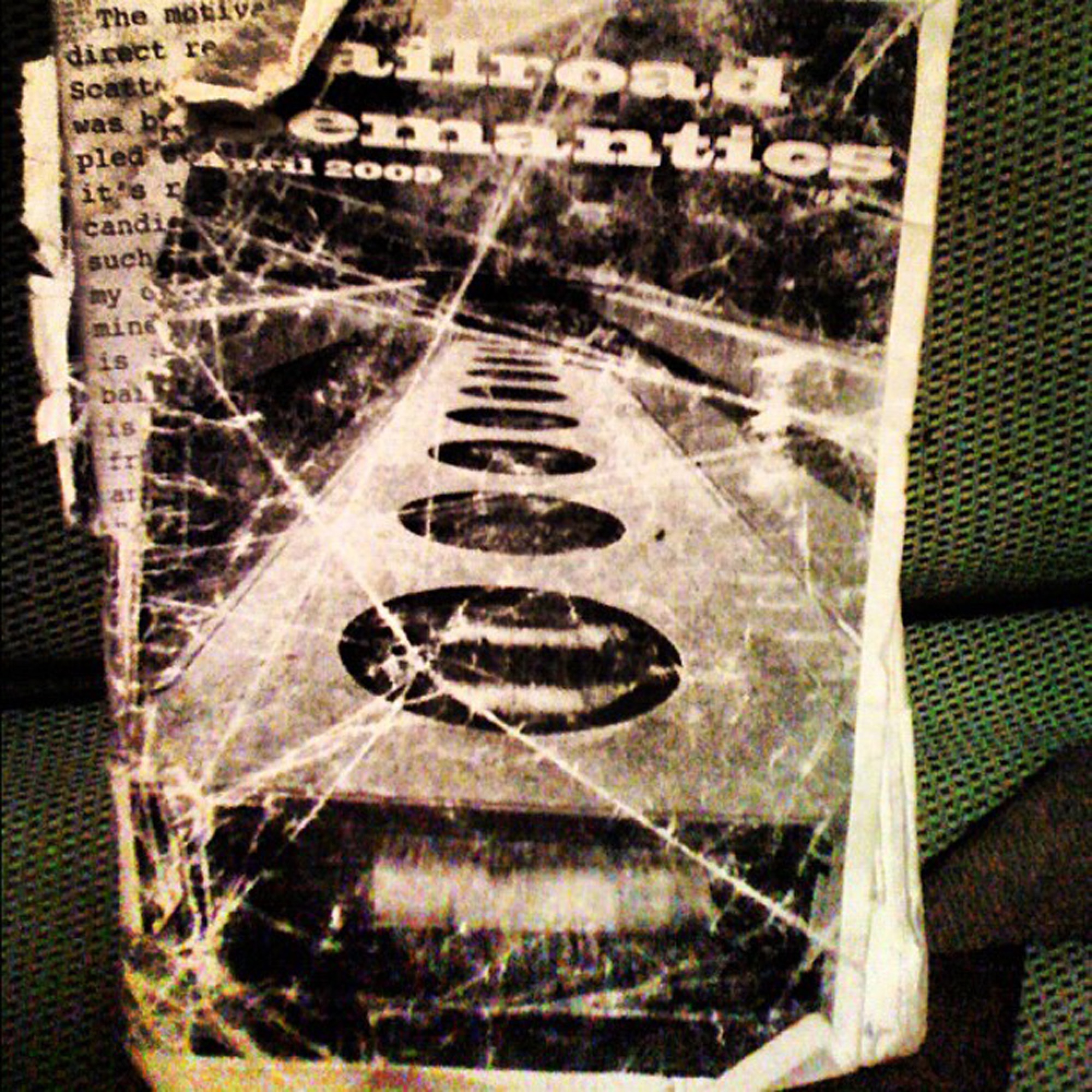 1. How did Railroad Semantics, the zine, start? How did they end up becoming books?