Few artists achieve fame and fortune, but that doesn’t mean your creative life can’t flourish. Writer, illustrator, zinester, and playwright Ayun Halliday interviewed dozens of creative people and shared her own experiences to produce this rallying cry for the “small potato”—someone whose focus is making cool, meaningful work and living a creative life rather than achieving wealth or celebrity. Sections range from the practice of artmaking to wrangling self-doubt to DIY marketing and self-promotion. Along the way, Halliday shows that your art can bring you satisfaction, success, community, and a modest income—without losing sight of your reasons for doing it in the first place.
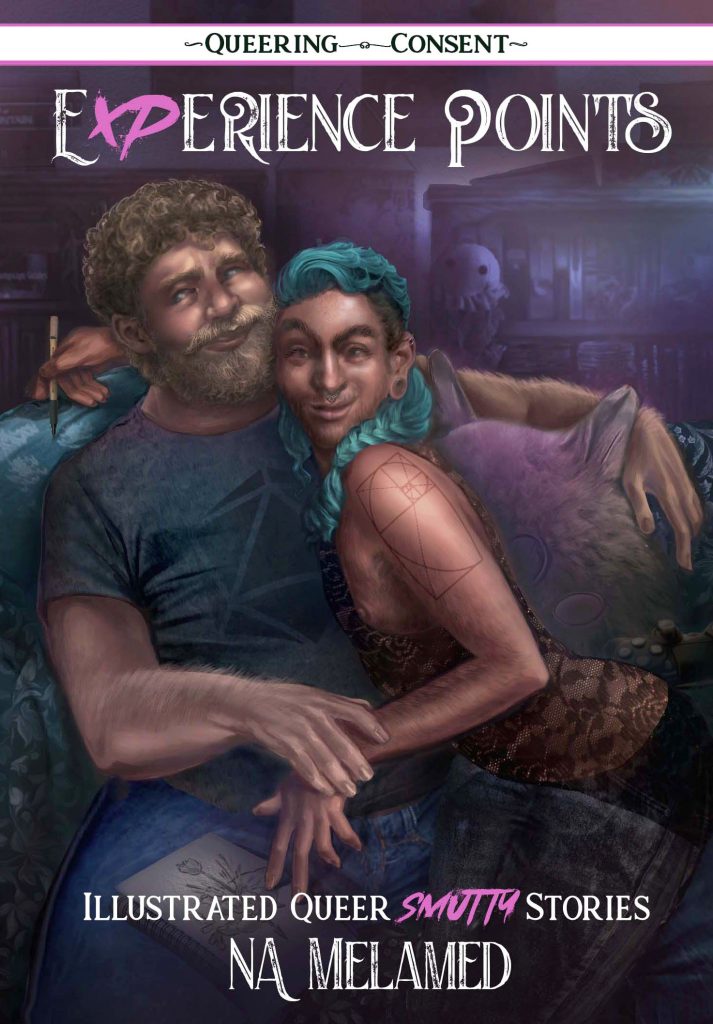
Alex Mazor is a transmasculine horror artist struggling to make a living in Toronto. When he invites one of his patrons home to model for his next project, his motives aren’t purely artistic. But Matt Connors, local fantasy geek and perpetual DM-without-a-party, is an unlikely model and an even stranger bedfellow. Follow along as their relationship unfolds, from a steamy modeling session to some exhibitionism at an art exhibit, and a road trip that pushes the pair to bring their trust to a new level. In the midst of exploring one another’s kinks and insecurities, will they be brave enough to find intimacy as well? This series of unapologetically filthy, nerdy, artistic encounters chronicles two lives at a crossroads of healing and self-discovery.
A male/male transgender, high-heat erotic four-part novella is of Microcosm’s Queering Consent series.
For those new to the game, the traditional publishing industry has two or three seasons—Spring, Fall, and Winter (with Fall and Winter sometimes being combined). In today’s episode, we talk about when those seasons run, why they are important, what it means for your workflow, and, of course, how many books it makes sense to fit into each one—and what kind of books do best in each season.
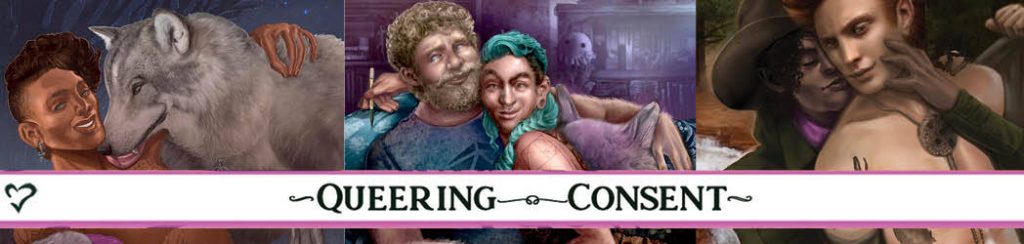
Microcosm Publishing is soliciting submissions for our Queering Consent series of queer erotica stories, novellas, novels, illustrated books, and comics!
Pitch us your work in progress or your completed work—make it sexy, make it hot, make it consensual, and make it queer! Titles that fit this series show complex, healthy, joyful queer relationships, have a happy ending, and feature explicit erotic content forming the core of the work.
Anything queer is great! We are especially (but not exclusively) looking for:
Lesbian erotica
Real-world (present or past) settings
T4T content
Polyamorous content
For books, manuscripts should be no fewer than 2,500 words (for a short story zine) and top out around 40,000 words for a book. Manuscripts can be composed of short stories or one longer narrative. Black and white illustrations are also welcome, and we love graphic novels. We are not able to publish poetry or fan fiction. We will consider previously-published work so long as you own the rights.
We are especially looking for submissions from authors and artists who are Black, Indigenous, people of color, mixed race, disabled, neurodivergent, queer, transgender, nonbinary, or who don’t see themselves well represented in mainstream publishing—including (but not exclusively) #OwnVoices content from these writers.
Here’s a sampling of what we’ve published so far:
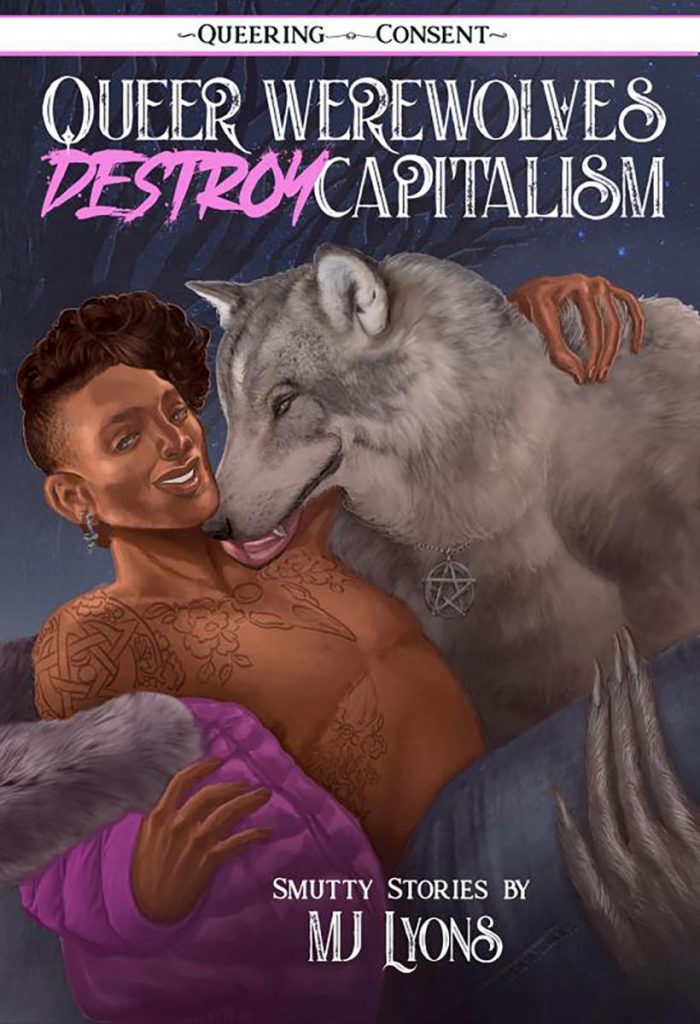
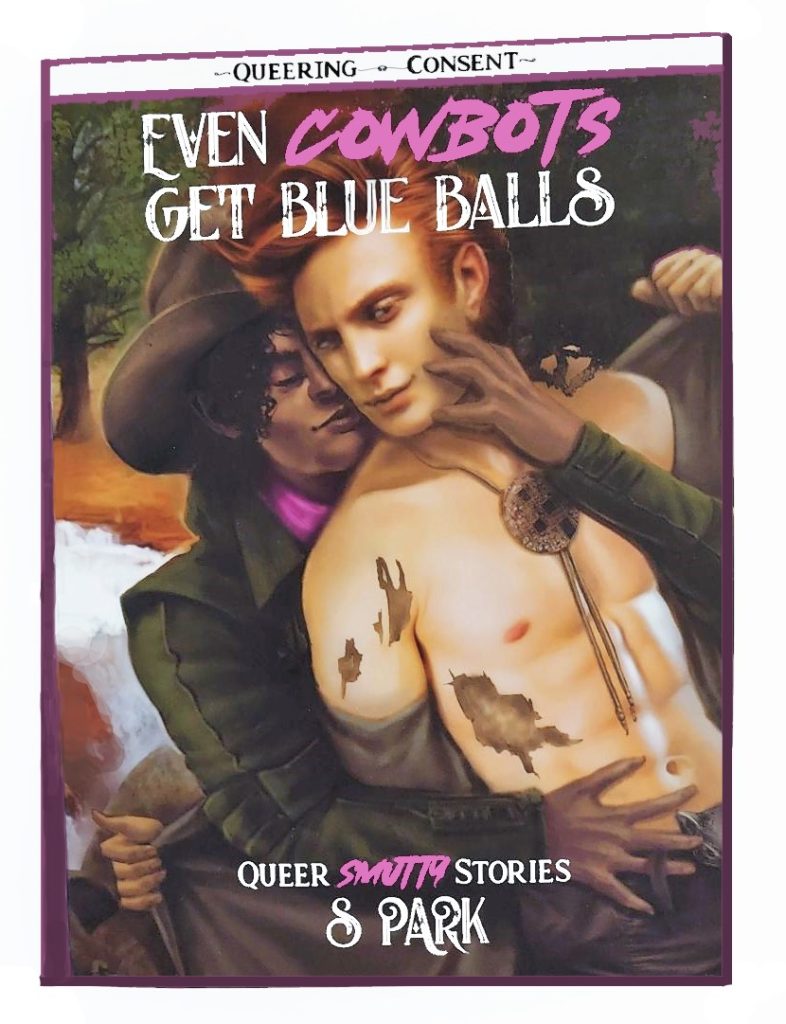
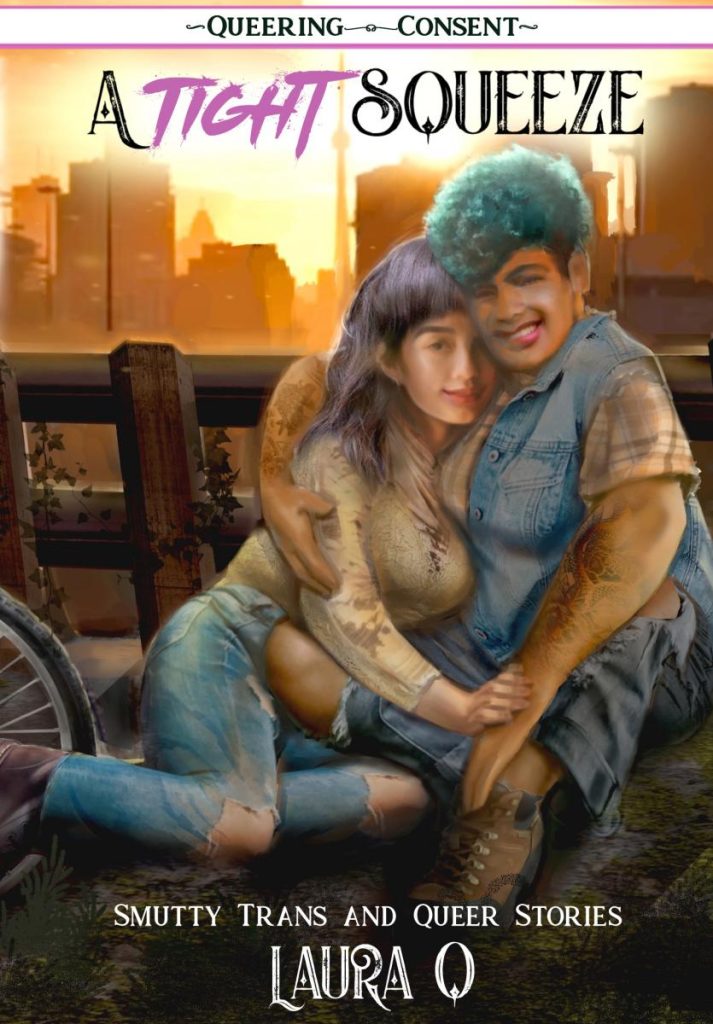
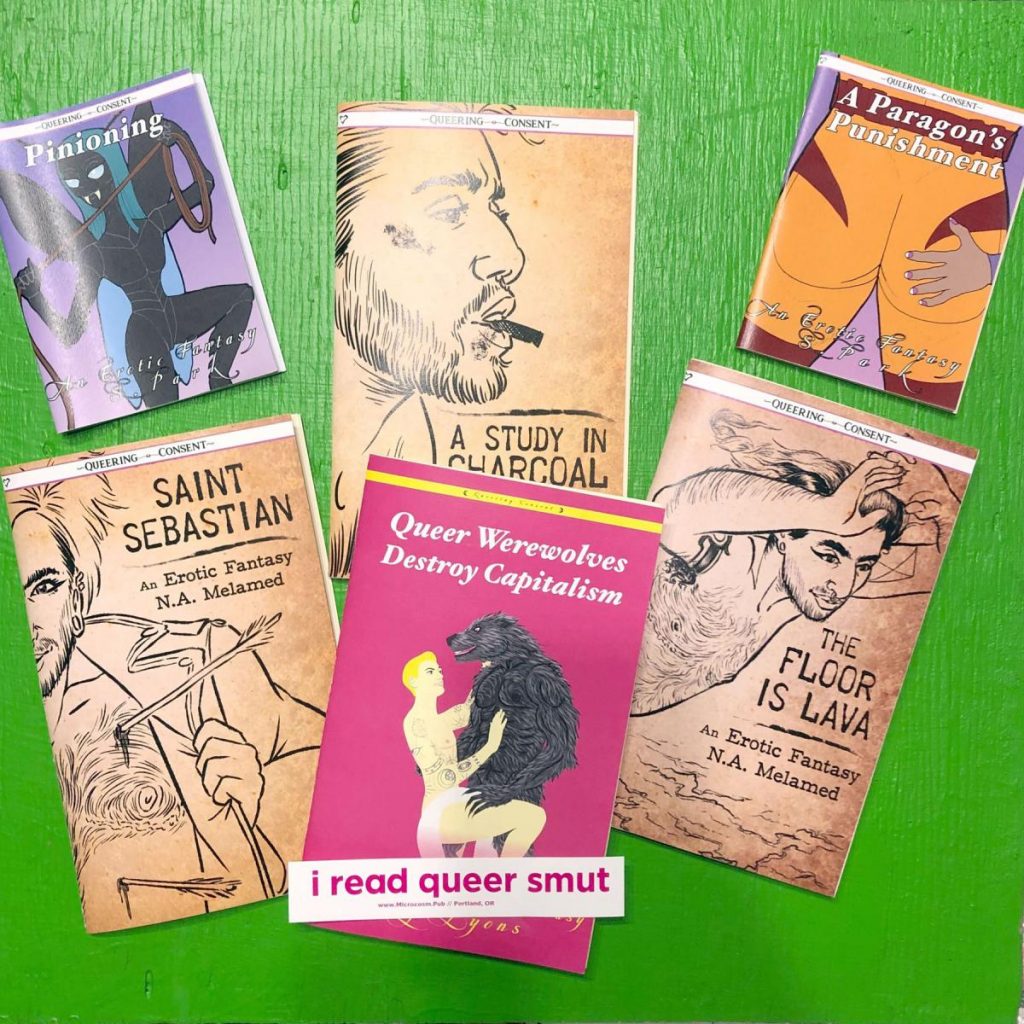
Queer Werewolves Destroy Capitalism – A collection of m/m(+) short stories by MJ Lyons with a science fiction themeExperience Points – An illustrated m/m novella about the evolution of a relationship that is profoundly healing for both people involvedEven Cowbots Get Blue Ballsenvisions transformative encounters between various beingsA Tight Squeezeshows a rich variety of transfeminine experiences and pairings
We also publish short stories in quickly-read, pocket-sized zine format!
If you have something you think fits, take a look at our full submission guidelines here and drop us a line through the contact form at the top of that page!
We can’t wait to read the wildest adventures and happiest endings your imagination can produce!
This week on the People’s Guide to Publishing podcast, Joe and Elly reveal the mysteries of the ISBN, aka the 13-digit International Standard Book Number you see on most books sold to the general public. ISBNs can be costly and a lot of new publishers aren’t sure when they should start using them. We offer some advice about when an ISBN is essential and when it isn’t.
This week on the People’s Guide to Publishing podcast, Joe and Elly talk about one of the scariest topics in publishing: growth and how to manage it. How do you know you’re growing? How fast should you grow? How do you pay for it? What do you do if it stops?