Dinner & Bikes Tour Reflections
DINNER + BIKES '011 from Cantankerous Titles on Vimeo.
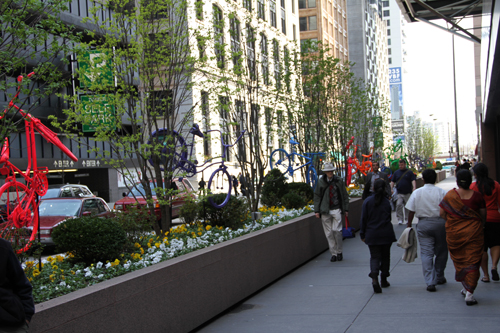
It’s been over a month since we returned home from the now-annual Dinner & Bikes Tour but it remains the kind of activism that I think about daily.
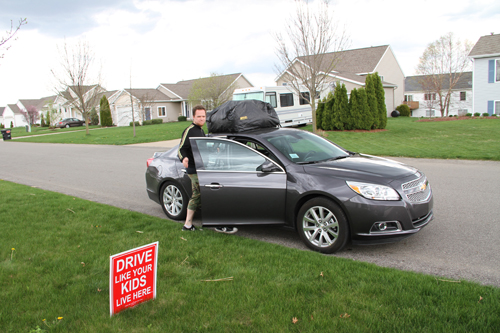
For those unfamiliar, it involves Elly Blue, Joshua Ploeg, and I (joined this year by roadie Aaron Cynic) renting a car for a month, hitting up a different region of the U.S., and leaving as much food and bike love (and Microcosm goodies) in our wake as we can.
Joshua and I had toured together for four years before the three of us founded Dinner + Bikes, but the concepts used to be a bit unclear. What was our tour about? Who were we? What were we trying to accomplish? The basic journalistic questions were increasingly hard to decipher from our posters and most people seemed to show up not knowing what to expect.
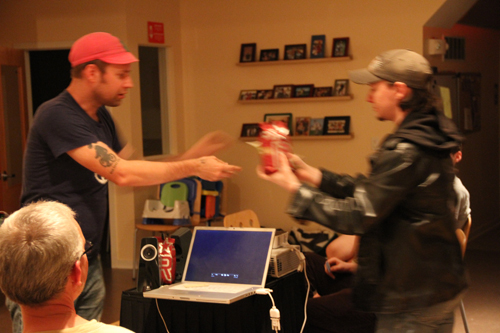
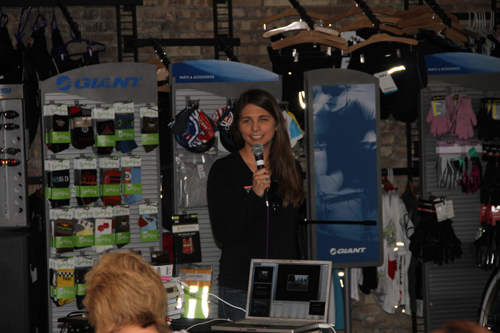
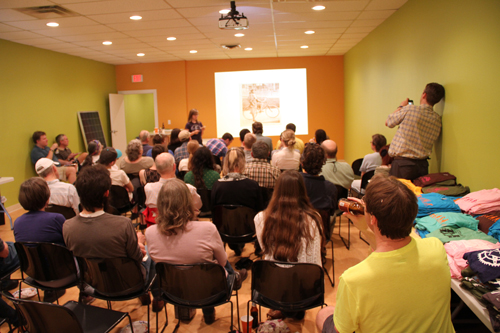
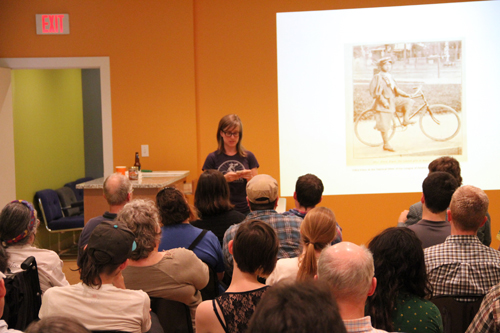
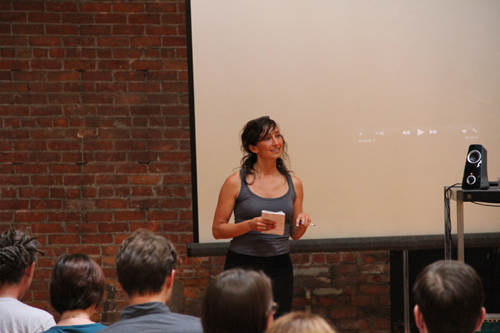
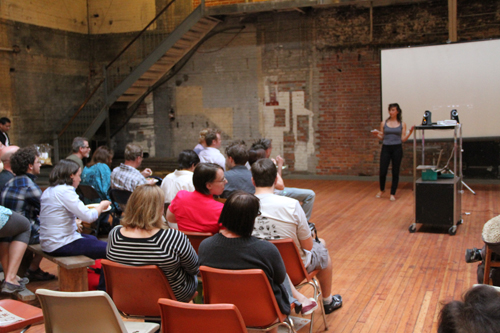
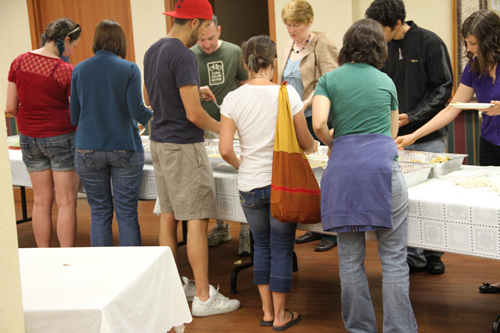
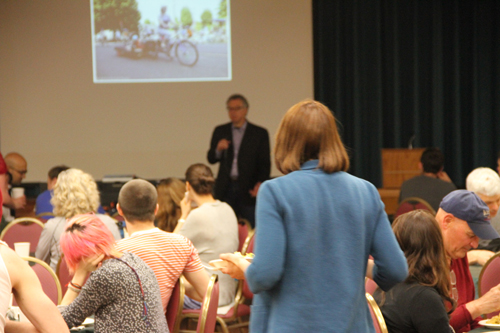
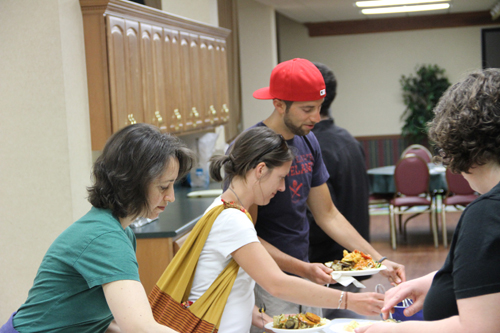
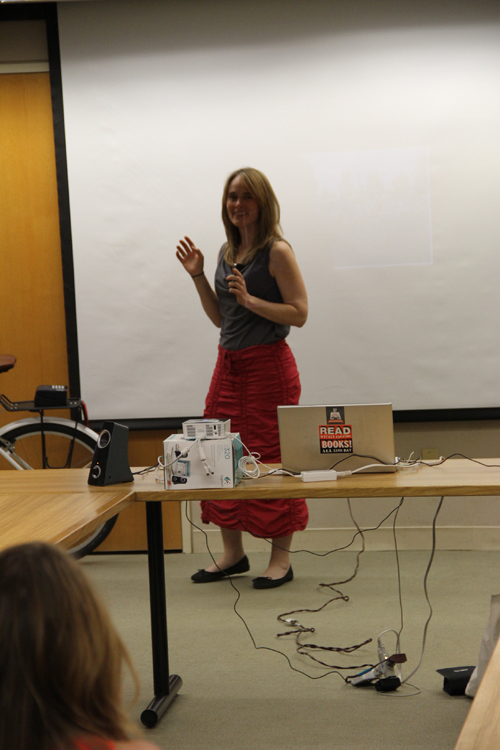
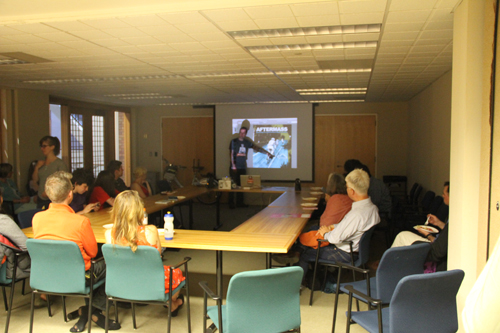
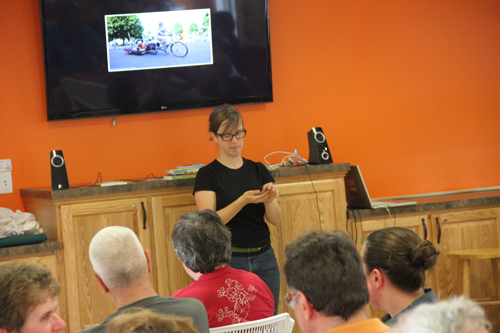
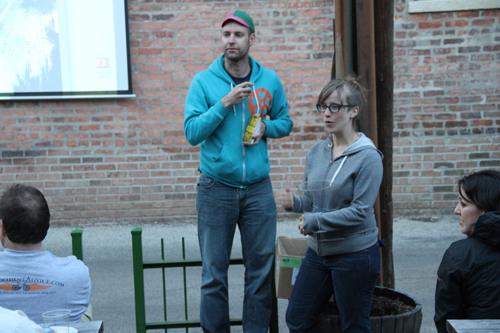
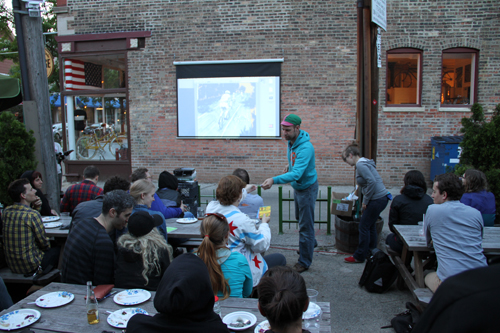
So we talked it over, tightened it up, and created a platform. Joshua would serve a seven course meal that he’d cook onsite from ingredients purchased locally. Elly would present her current fascinations on Bikenomics, bicycle equity (Bikequity?), and “The Gender Gap in Bicycling.” I’d show various curations of short films I’d made about bicycling, bicycle activism, and bicycle culture, most recently showing an excerpt of Aftermass.
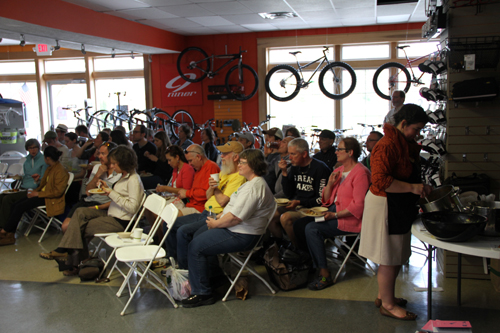
But secretly, the event has nothing to do with us. We are only necessary to bring people together and for the first five minutes or so to get people talking, though arguably, Joshua’s activities in the hours before the event makes everyone much happier come dinner time.
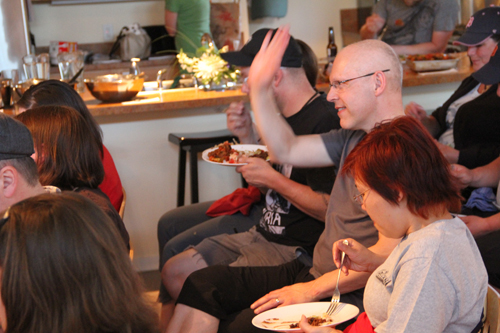
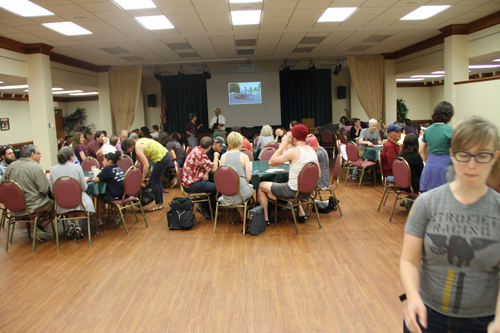
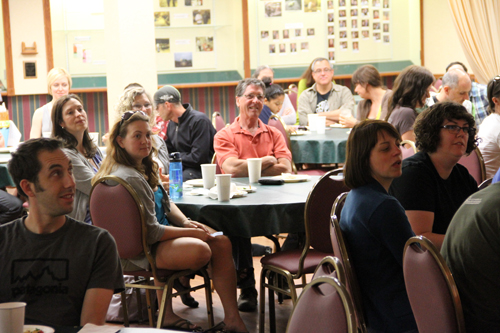
So we drive around the country for a month so people who live in the same town as each other have a means and a reason to come together, meet each other, and talk about improving their city, no matter where they are in the continuum.
Not to toot our own horn, but our events attract people from all across the spectrum, from bloggers and journalists to city planners to activists to city staff to bike project volunteers to ride organizers to elected officials to roadies and racers to bike clubs to advocacy organizations with proper offices or even those who volunteer from their home to make their city a more pleasant place to ride a bicycle. In most cases, if these people have ever met before, it’s rarely been on equal footing or they haven’t had the opportunity to have a proper sit down conversation. And the results have blown my mind.
We’ve been able to play matchmaker to numerous new couples who either met at our events, went on their first date to see us, or were able to find romance through Dinner + Bikes in a capacity that isn’t PG-rated. Or, in many cases, our events simply turn weekend warriors into everyday commuters.
But that’s just the beginning. We’ve been able to watch as action brews in our wake and people write blog posts or send us emails about how learning about Portland’s history or what activism is working elsewhere has propelled them into action. They are engaging city officials about how bicycling is an economic stimulator or learning how to be politically effective in asking for the changes they want to see and having the confidence to do so. In Reno, NV we watched an entire new advocacy organization form after we left town, employing the tactics they’d learned from our video about Active Right of Way in Portland.
Sometimes we are shocked to learn what has been going on in places like Spokane or St. Louis where monthly rides can attract over one hundred people year round, despite weather, darkness, and lack of infrastructure.
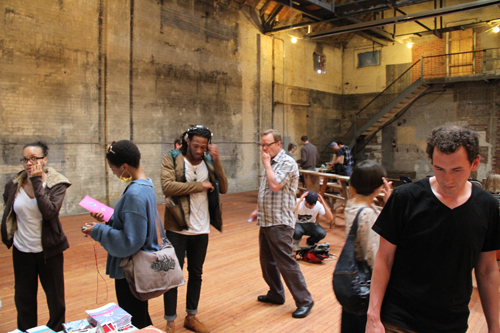
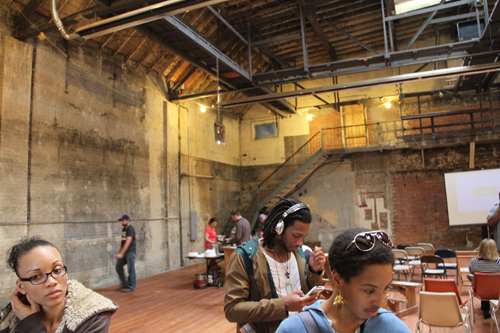
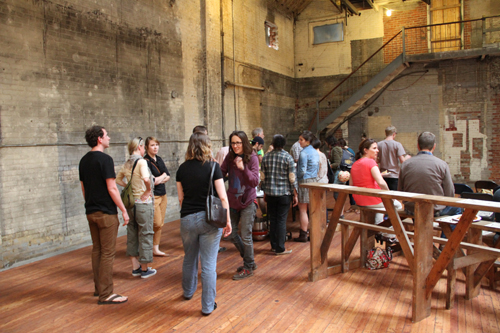
In Detroit, we were very lucky enough to end up performing at the Handy Jam, formerly the sound stage for Jam Handy Productions, which anyone who downloads expired copyright films knows of as one of the most prolific pre-Hollywood era propaganda filmmakers. At our event there we met the coolest “competition” Dinner + Bikes could have in the form of Detroit Brunch & Bike, a group of young people who ride their bikes to various local restaurants once per week and throw hundreds of dollars into their local economy. Inspiration, match and serve!
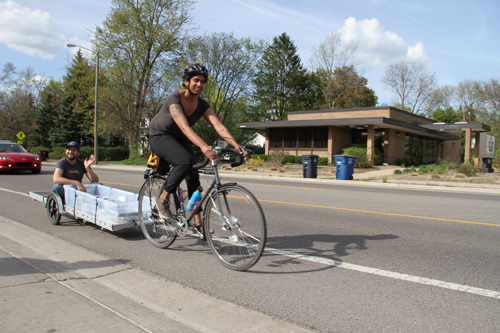
In my hometown of Cleveland, an elected official told us that we were not living in the “real world, where people want to drive to grocery stores and the mall.” A minister confirmed our suspicions that there is a special place in Hell for bike thieves. A latecomer who missed the parking portion of the presentation mansplained about the importance of talking about the costs of car parking. And despite no one suggesting it, a public employee explained that he couldn’t ride the 28 miles from his house to his office. And it was, of course, the advocates who told the room just how dangerous and complicated bicycling is. Numerous people complained that they didn’t relate with the Portland experience. But somehow, after all that, Elly was able to save the day by putting them into their midwestern competitive spirit, telling them that their football rivals, Pittsburgh, were doing more for bicycling than Cleveland, despite teetering on the edge of bankruptcy.
Sometimes the greatest joy is seeing that Memphis and Houston are rapidly developing their bikeway systems and riderships, even though it’s not being reported much in national media or even on the internet. So we leave our computers and meet the people in real life, like Amy Murphy in Mobile, Alabama who told us after we left, “Since you’ve gone, not a day has gone by that we haven’t ridden our bikes everywhere we’ve gone and even embraced taking the lane a few times (in admittedly low traffic). This afternoon we’re headed to Fairhope to see how their newly restriped areas of town are doing and so we can write their mayor and city council to thank them for it and let them know it brought us to their town to spend some money. Anyway, all that to say that we’ve taken on even more of a role as bike advocates here in town, thanks in large part to your visit, and we’d love to stay in touch. I just read your entry on my hometown of Baton Rouge and am amazed that anyone can bike in that city, though I did notice the prevalence of sharrows in my sister’s area of town starting a few visits ago… I would be terrified to try them out with all of the surrounding aggressive drivers, in all honesty, but each time I go I’ve noticed more and more cyclists and it seems a lot less intimidating.”
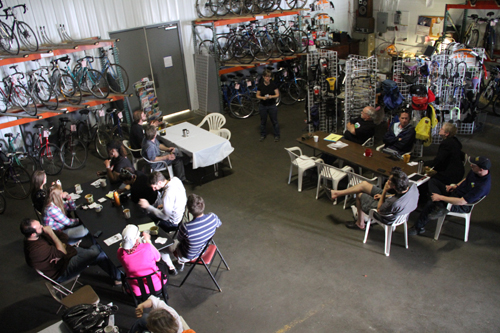
The biggest reward is watching people who work a typical day job during the day, but see the need and take up the challenge, becoming superheroes—whether that means routinely poking elected officials to keep their promises, spraypainting guerilla bike lanes in the middle of the night (that sometimes become permanent), or organizing petitions with businesses to improve neighborhoods for better living conditions.
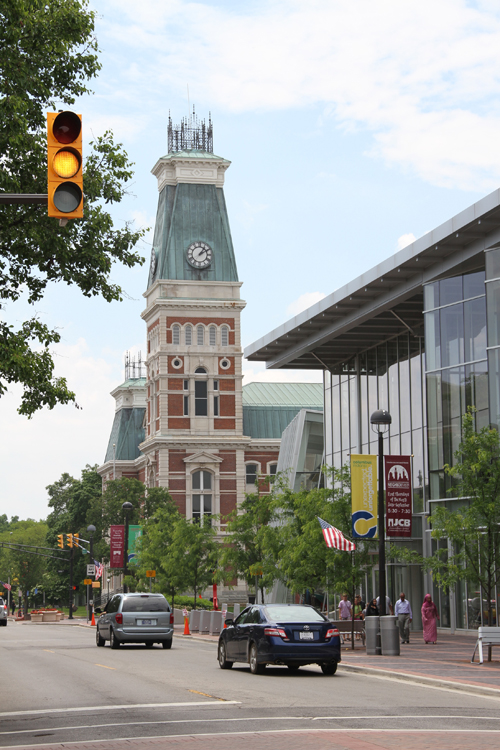
On this most recent tour, we went to cities like Detroit, DC, Buffalo, Lafayette, Cincinnati, Indianapolis, and East Lansing where bicycling is one of many concerns in a crippled economy where basic needs are not being met. Despite this, we found huge riderships almost everywhere we went and even where road or cultural conditions were not ideal, it didn’t ever seem to take the smiles off people’s faces.
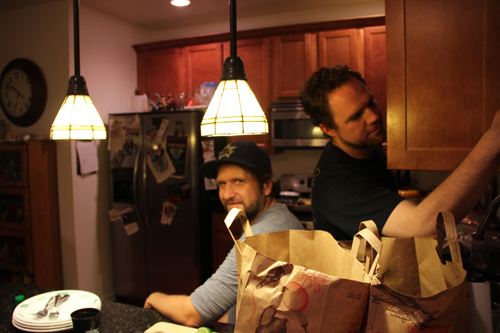
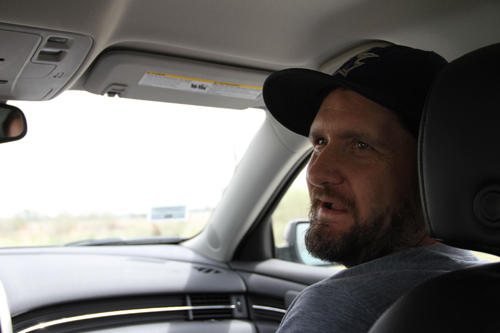
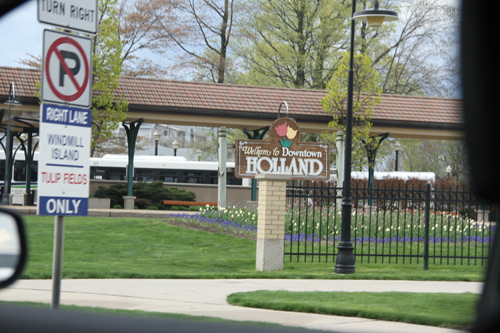
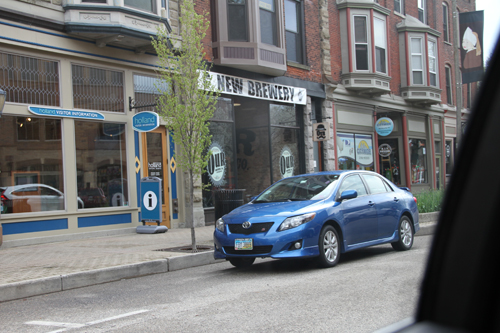
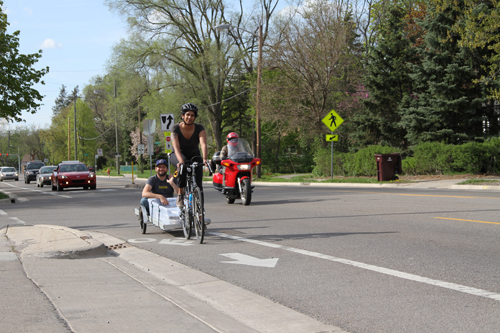
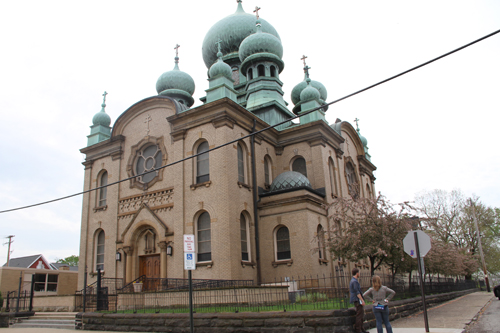
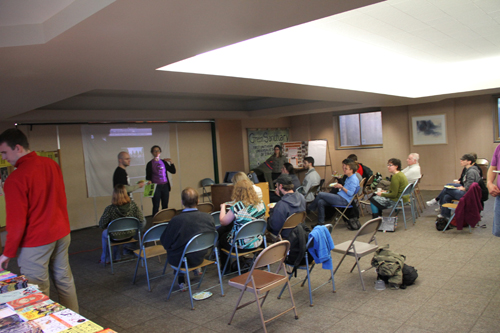
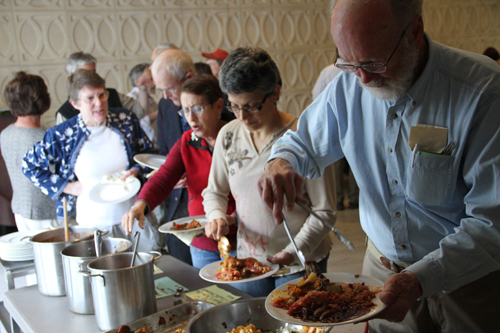
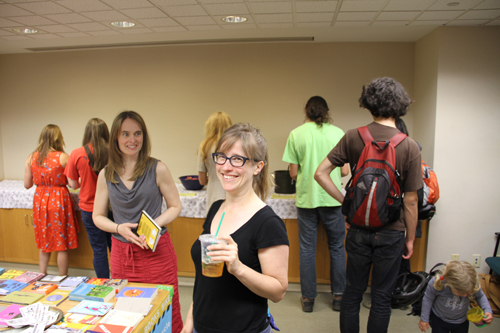
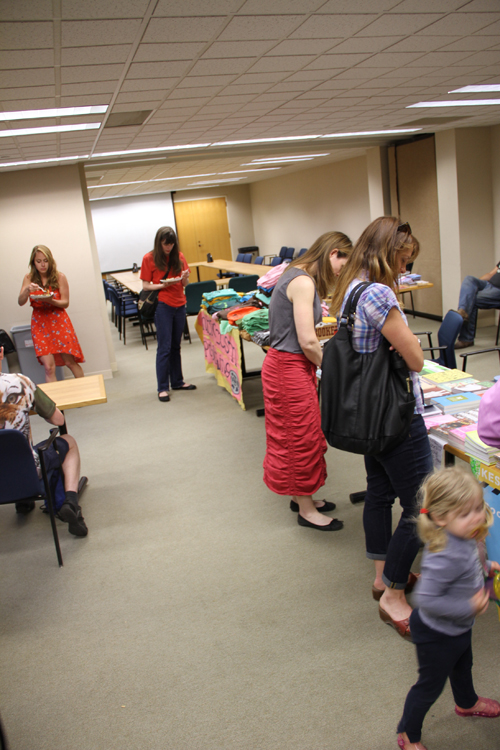
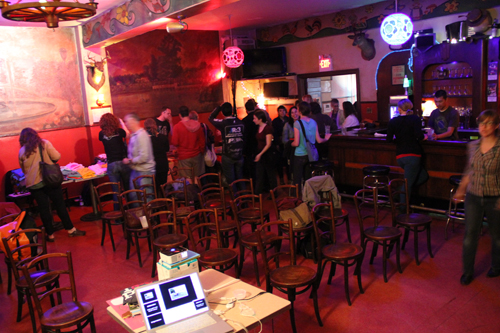
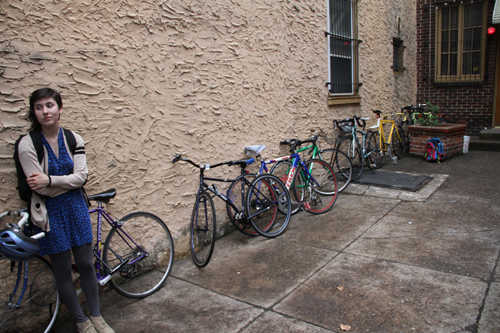
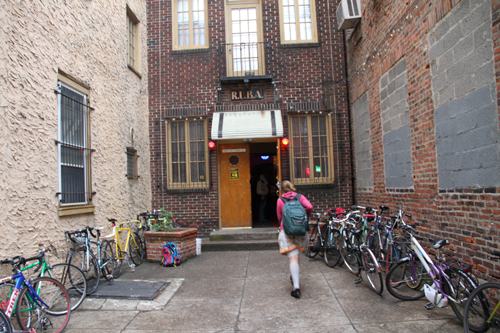
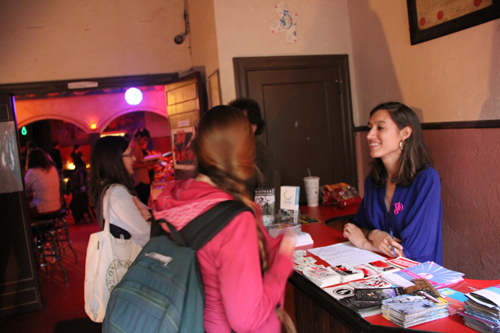
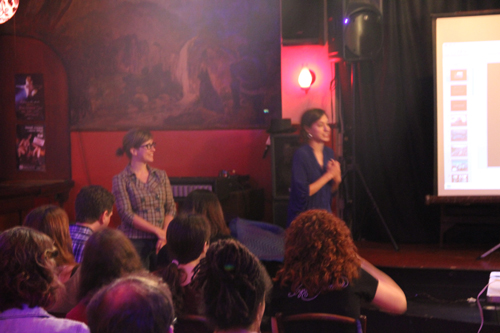
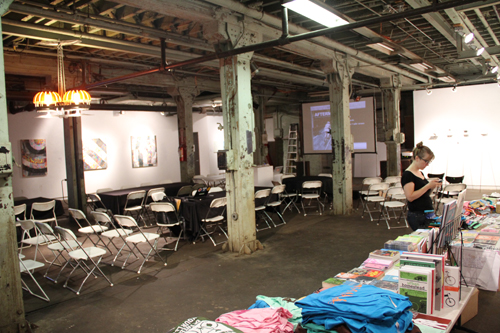
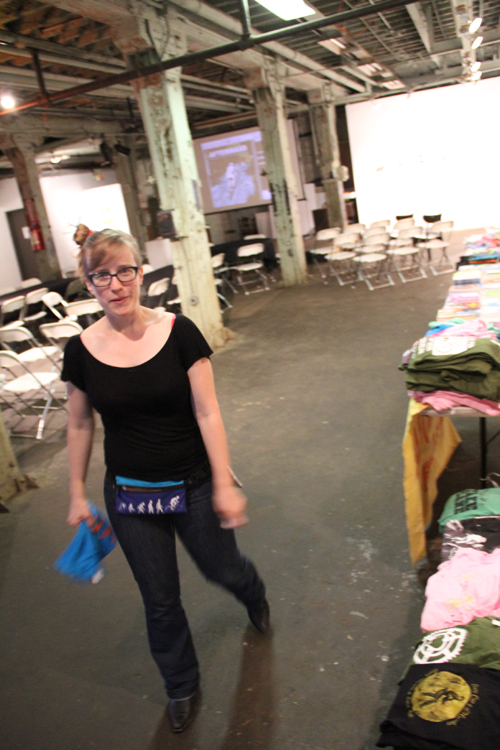
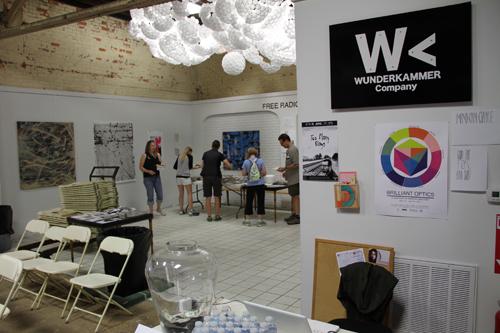
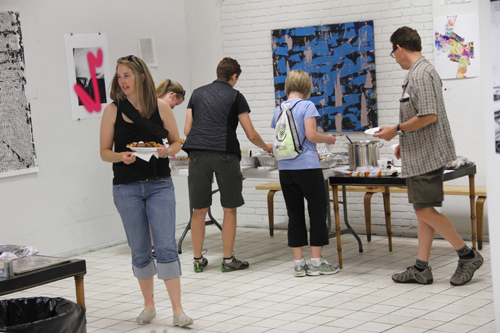
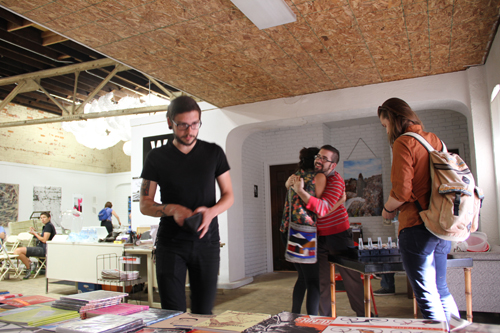
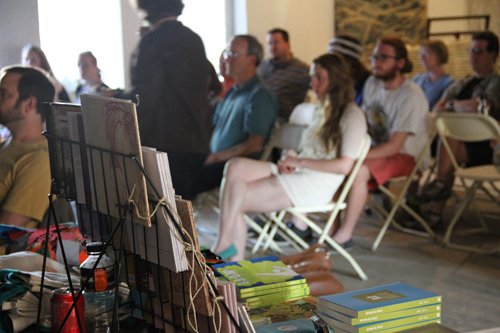
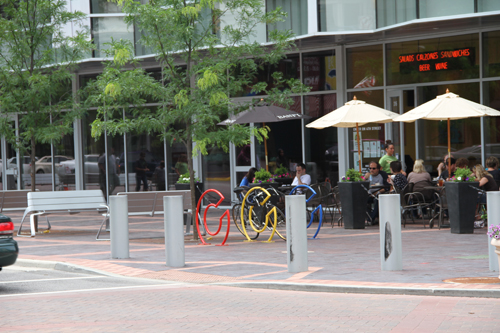
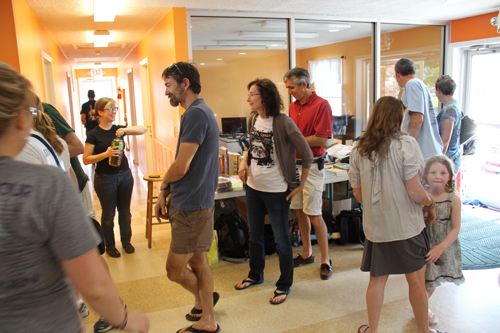
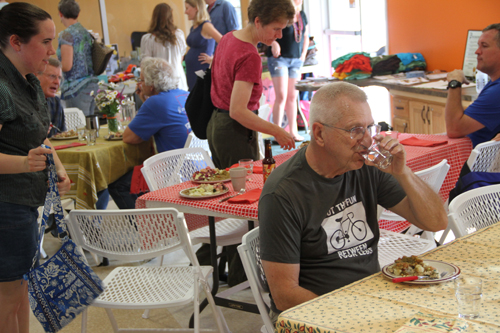
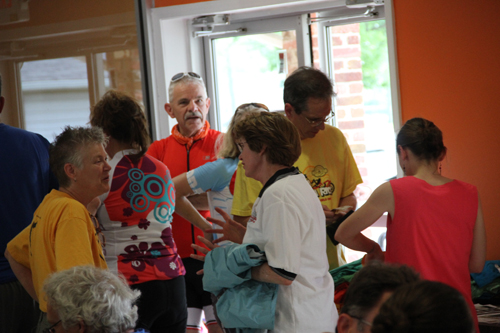
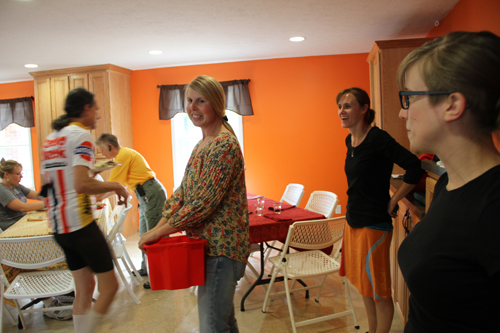
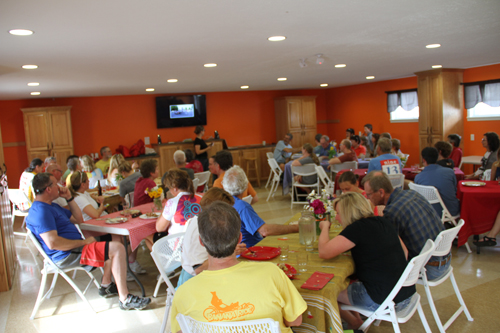
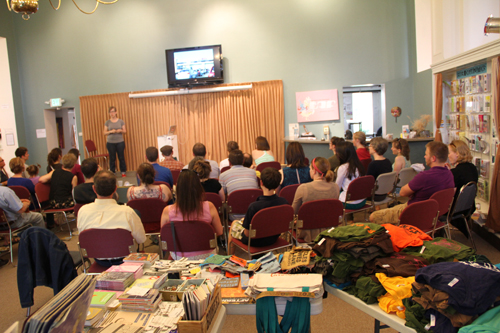
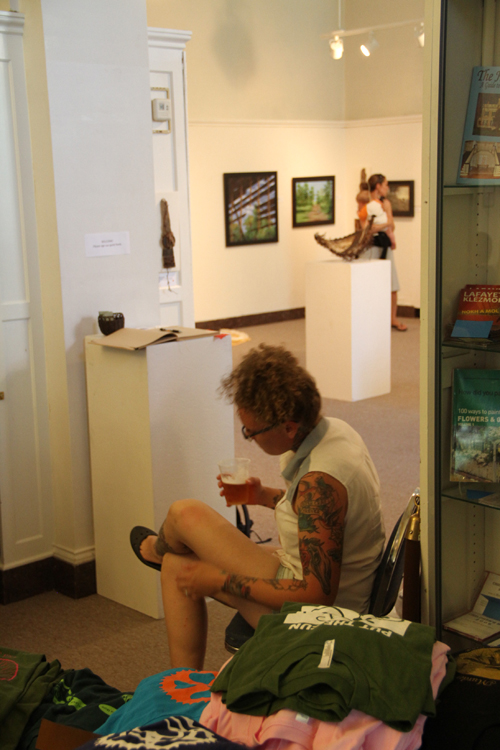
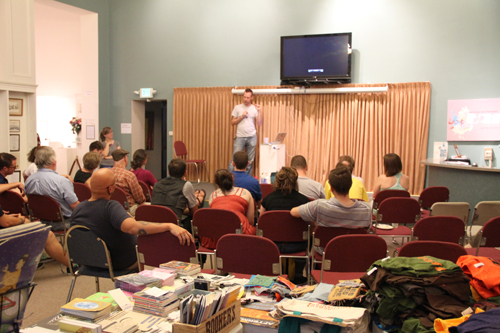
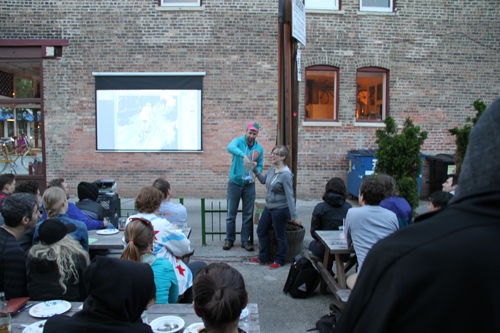
This year I set out to take one good photo every day of tour and while I failed to some degree, I feel that, in the same way, certain events exceeded expectations by such a wide margin that they were much more photogenic and deserve half a dozen photos.



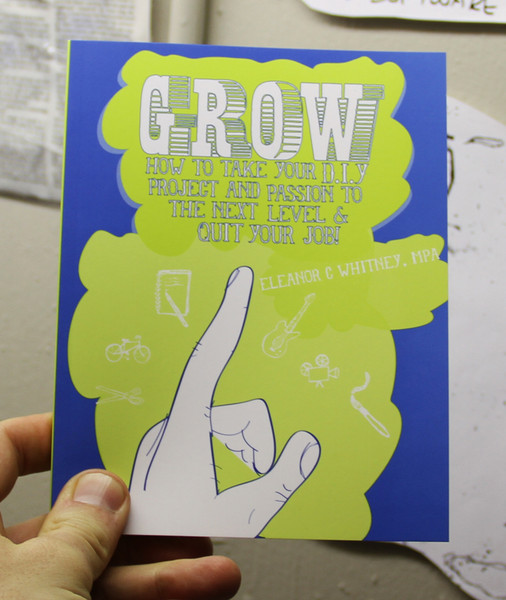 Grow: How to take your do it yourself project and passion to the next level and quit your job! is a practical field guide for creative people to achieve success and sustainability on their own terms. Part of Grow’s mission is to empower creative people to come up with innovative solutions to make their creative passions sustainable career options. The first step in that process is to assess where you are and define where you want to go. In the spirit of Grow I posed a series of questions to Meggyn Pomerleau, who designed the book, about her career and goals so far. The issues that Meggyn outlines in our conversation are the ones that inspired me to write Grow: How to balance your creative passion with “real life,” how to understand what you and your creative work is worth, and how to face down an uncertain future with a careful planning.
 – My life is design, despite having the office job. I dream about typography; I pay attention to advertisements and details in logos, banners, and posters; and I’m constantly brainstorming pieces in my head. If I had to break it down in numbers: 40% of my life is the non-creative office job, 25% is actually creating, and 35% is everything else.