Before March: Get Your Nate Powell History (This Year Only!)
 Before they’re gone forever, get your deeply discounted copies of Sounds of Your Name!
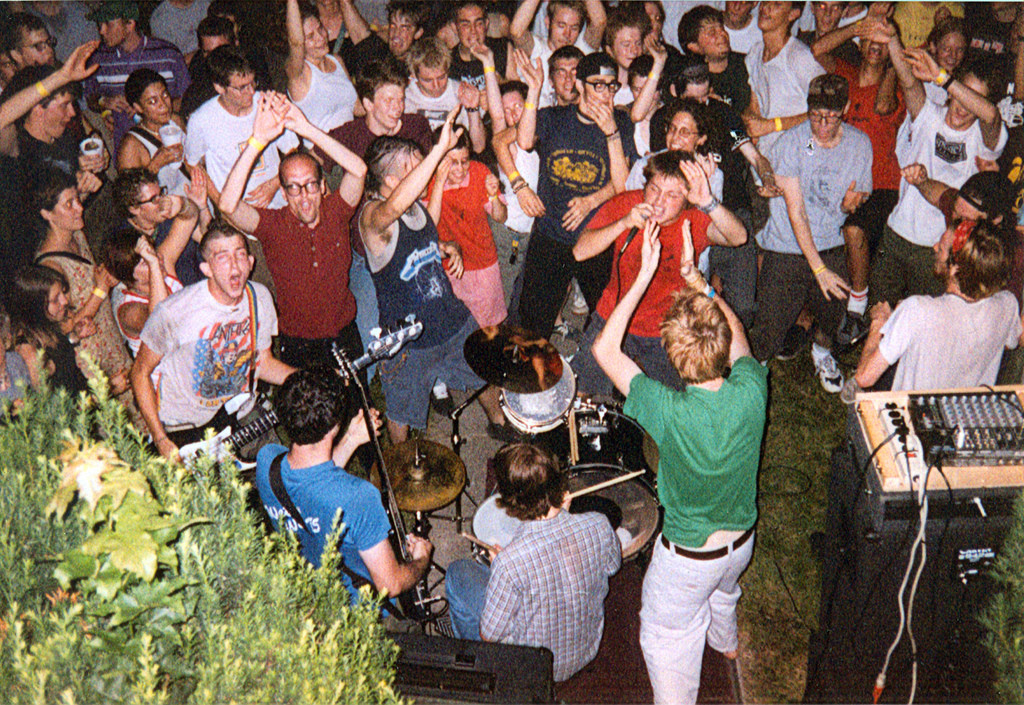
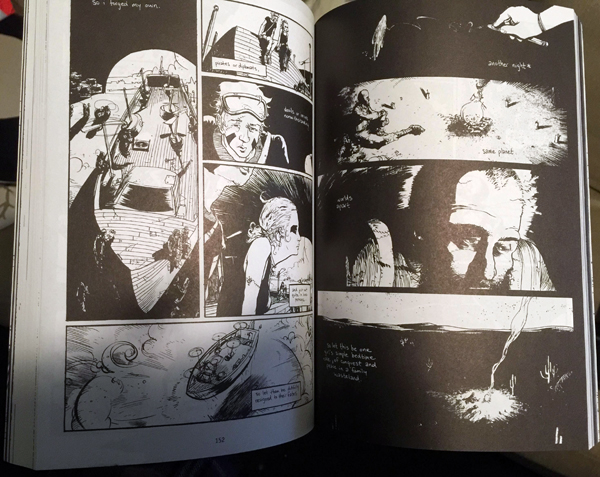
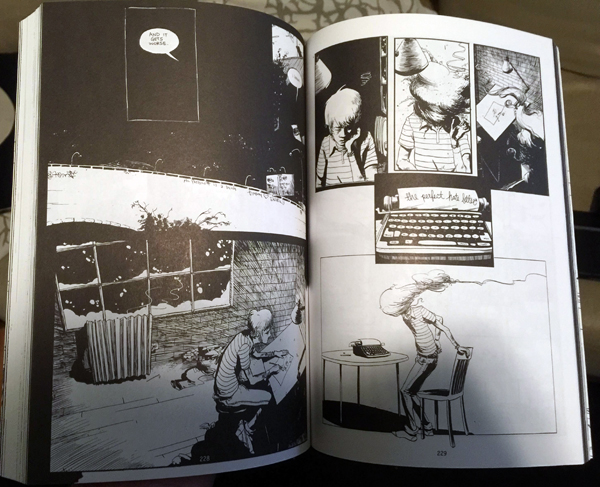
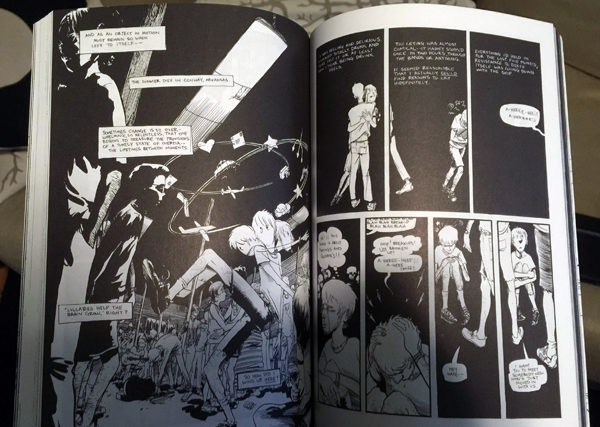
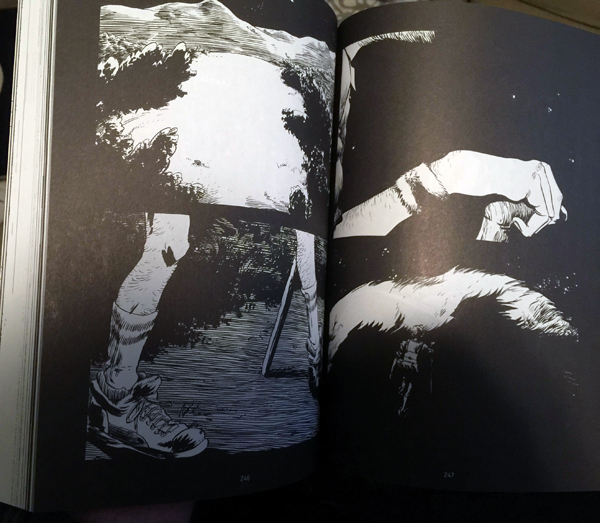
I stood slack-jawed as Nate Powell’s legendary band, Soophie Nun Squad, whooped and cinderblocked through a set at More Than Music Festival in 1998. His earnestness and zeal were a refreshing break from the increasingly common “we don’t put our band name on our record cover” genre of pretentious fashion punk that was increasingly bumming me out. I wrote Nate a fan letter in 1999 and Microcosm started to distribute his comics shortly thereafter. Nate and I shared the heart-on-sleeve DIY transparency of artistic youthful expression and in 2002 he booked Soophie to perform at my wedding. So Naturally, in 2006, when Nate expressed frustration that Soft Skull had again delayed the release of his third book, Sounds of Your Name, I agreed that Microcosm could publish it.
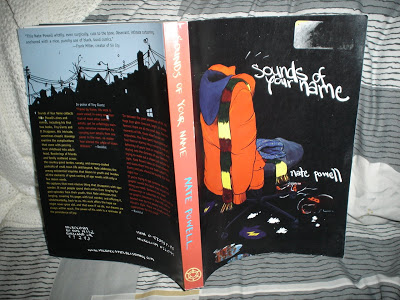
What I didn’t know about at the time is what Providence artist Mike Taylor refers to as “The Nate Powell Curse.” Taylor mentioned this to me casually when I was on tour in Providence later that year like the curse’s legend was as widespread as detergent samples and cereal box mascot lore. When we received the first 4,200 copies back from the printer, they were all were misprinted with the wrong line screen applied to each page and the cover, making every image appear grainy.
It was incredibly frustrating, costing Microcosm over $18,000 and drying up ten years of savings. It was also the physically largest book we had published and the boxes created a wall in the basement next to our office. But never fear, Nate Powell came to the rescue, creating an elaborate coupon scheme to sell off the first printing at half price with a redemption offer to purchase a corrected printing for $10. We joked that it would become the biggest punk scam of all time with bootleg coupons appearing in Kinko’s next to illicit free ice cream and Odwalla coupons. In reality fewer than 100 people ever took us up on it.
In a 2009 interview with me, Nate describes the situation thusly: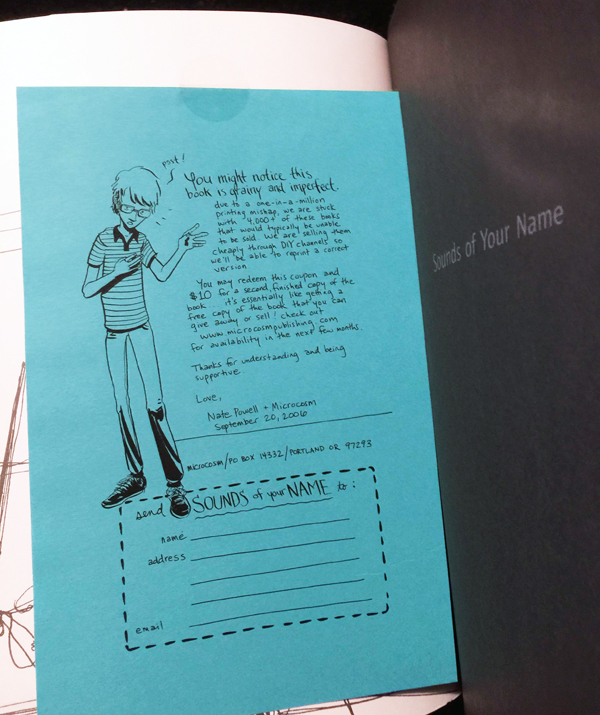
Nearly every comic I’ve had published in the last five years has been dead in the water—that is—it has some printing or distribution flaw or it’s overlooked by the publisher and immediately pulled out of print. Please Release by Top Shelf was the only exception. It came out perfectly. Sounds of Your Name took the curse to a whole new level—all 4,200 copies were horribly pixelated and non-returnable. They were sold at discount with an explanation and stuff, but the damage was done.
Slowly, new problems emerged. What is now called “metadata” became our newest, greatest foe as databases began warning buyers to avoid buying the book due to the misprint even after we had issued a new printing and a new edition with a new cover and ISBN. We had listed everything correctly but yet the data propagated incorrectly all over the Internet. It felt like banging my head against a brick wall once per month for about five years.
Again, from Nate’s 2009 interview with me:
I grew up believing I would never be able to make a living as a cartoonist, then fumbled a few chances to get on “the train” doing books for Vertigo or Dark Horse, and now I’m almost positive I’ll never be able to just draw for a living.
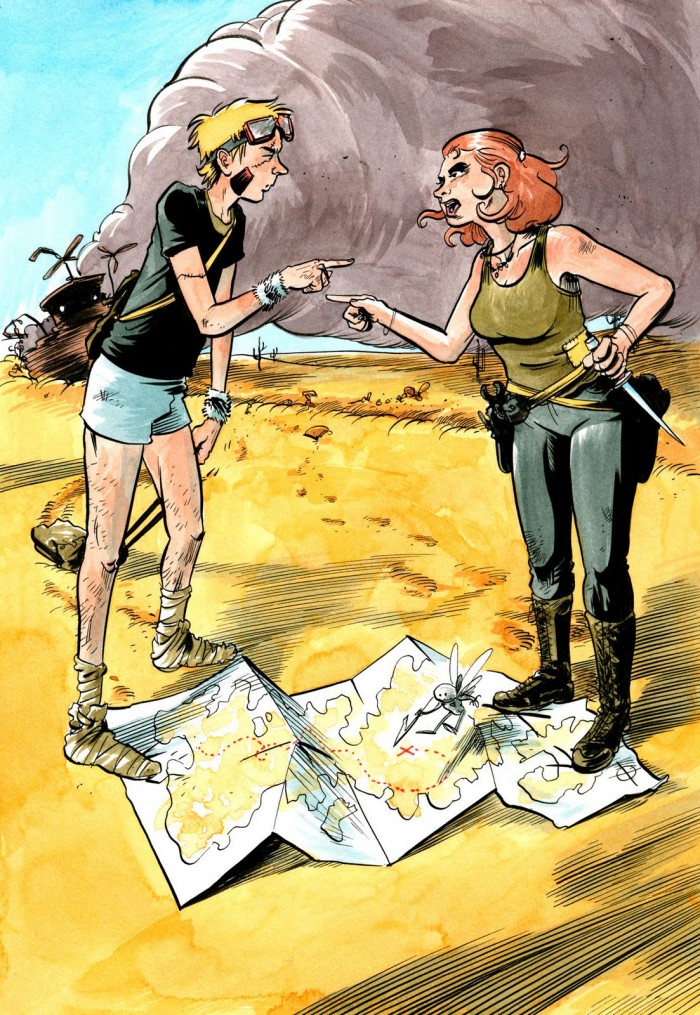
By the end of 2009, Nate had won the Eisner Award for “Best Graphic Novel” for his follow-up Swallow Me Whole. He was nominated for the LA Times Book Award as the first graphic novel since Maus. He had become a household name in comic stores.
None of us easily deterred, I met with Brett Warnock of Top Shelf who had since become Nate’s publisher. Brett suggested printing a postcard, offering a discount, and including a signed print to remind people about the book and get stores to stock it. Nate happily complied with creating a limited, full-color print and signing and numbering 200 of them. We launched the campaign and most buyers responded, asking if they could buy the book from Diamond Comics, the wholesalers who distributes to most comic stores.
I had to mail copies to Diamond three separate times before they were convinced that theSounds of Your Name books were properly printed. But by that point a year had passed and Diamond now took up the argument that fans weren’t interested in Nate’s early work.
Still, the availability for Sounds increased when Microcosm signed distribution deals with Independent Publisher’s Group and Turnaround UK in 2011. And Nate was making so many conference appearances that fans were clamoring for his “lost book.”
But even three years later when Nate was signed on as the artist for Freedom Rider and Congressman John Lewis’ March, we still could not convince stores to stock Sounds. Finally, in 2014 as Nate was featured in virtually every mainstream publication, was doing interviews on CNN, and became a New York Times bestselling author, Barnes & Noble bought several hundred copies of Sounds. Naturally, they ended up returning most of them over the following year.
So we’ve all clearly given the book our best effort but still excited fans of Nate’s are just discovering that it even exists every day. This story isn’t new or unique to this book by any means, but it’s been incredibly frustrating to witness it so closely and firsthand.
At long last, after ten years, we are finally letting the book go out of print for good, with the hopes of a new publisher repackaging parts of it with other odds and ends from Nate’s past sometime in 2018 or later.
What this means is that we have deeply discounted the final 500 copies as a get-it-while-you-can rare item and on February 10, 2017, the book will be out of print forever.
It’s really been an honor to be a small part of Nate Powell’s story as his talent and work reach awe-inspiring levels, that he now rightfully earns his living from drawing comics, and as he receives more and more opportunities and achieves greater success than he even aspired to in 2009.
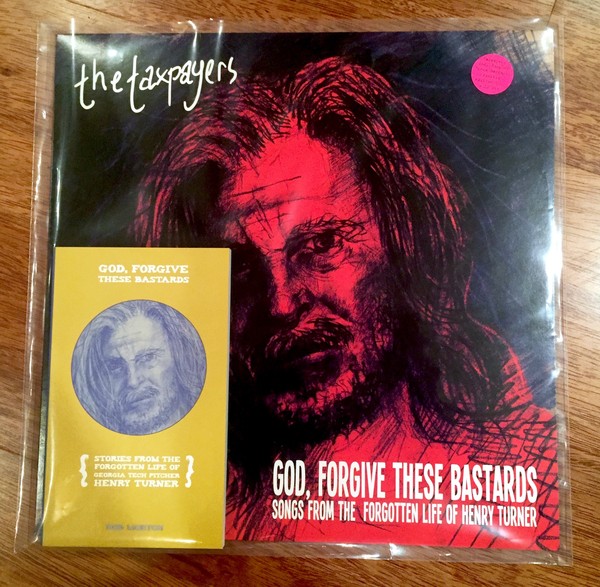
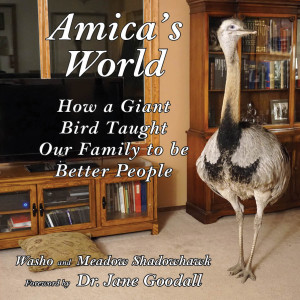 One day I received a phone call from Meadow Shadowhawk, a Native American woman who explained that she had a children’s book about a gigantic bird that lives in their suburban home that was seeking a publisher. I explained how our submission process worked and that we don’t publish children’s books. A few days later she called again, explaining a bit more about her family and her son and the awards that he had won, including one from Dr. Jane Goodall. Meadow explained that Dr. Jane would be willing to contribute a foreword.
  By the time I returned to Portland, with even more photos of the rhea, Amica, in my inbox, I realized what bugged me about an illustrated children’s book: It would be lost in the end matter that the story was real. I decided that it would make a lot of sense to do a photo book of Amica because he is quite idyllic and the story was so interesting and unusual. The family and Dr. Jane agreed and a near-miss was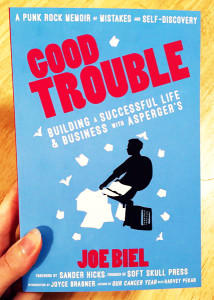
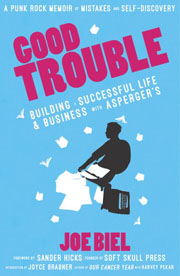
 Thank you. I would like to believe that I’m cautious about everything but most of the rest of the staff would probably disagree. In prehistoric times, a memoir was simply a story. If we’re using marketing terms, a memoir could simply be a nonfiction novel. But a novel has a narrative, characters, plot, a theme, and an arc. Many writers don’t engage the reader as a stakeholder in their writing and many of the memoirs that are submitted to us are expected to be published on the grounds that they have been written. For a memoir to work, it needs to have all of those components and have a clear concept of what it is, who it is for, and how it is different from the pack. My book is for would-be publishers, adult autistics, Microcosm fans, and people who want to start businesses. There needs to be at least 5,000 of these people out there and we need to know how to reach them. I am too close to the work to tell you if mine succeeds but thankfully everyone who I have heard from so far has enjoyed it immensely so I am thankful that I have good editors and that I put so many hours into it.


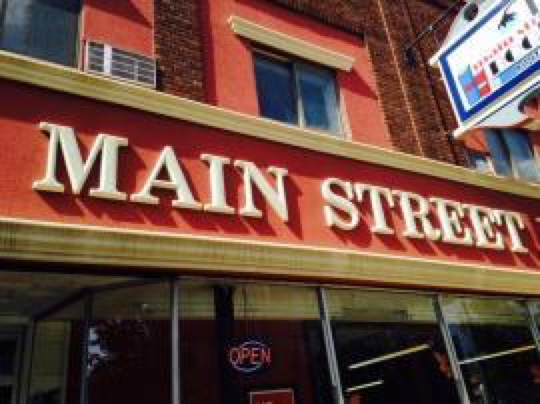 For Microcosm’s 20th Anniversary (it’s February 12th!) we decided to turn the whole year into a party celebrating the survival of indie books! Part of that is singing the praises of independent bookstores, keeping the world bookier and better for everyone. To that end, we’ll be shining our nerdy spotlight every month this year on a different indie bookstore that we love.
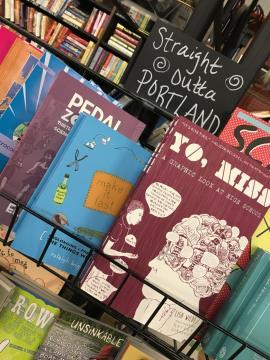 1. What’s the story of Main Street Books? When and why did it start and what’s it’s role in the community?
 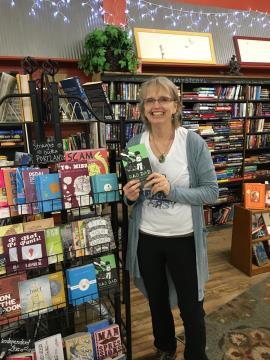 3. What’s your favorite Microcosm book?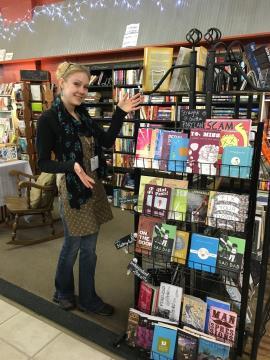
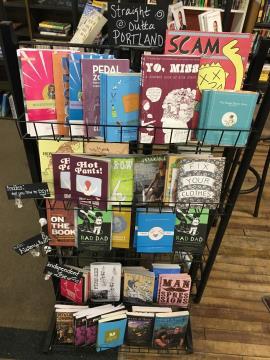
 I wrote a book that I, personally, absolutely loved and felt like it represented everything about me as a person and as a writer. I submitted the hell out of that manuscript. After 68 rejections (too personal, too raw, too dark, too taboo, etc.), I just put the manuscript away and worked on other books. Two years later, I submitted an essay to a contest. The editor loved my essay (which won!), and emailed me asking if I had a manuscript. The one I was working on at that time wasn’t ready yet. I remembered the first book I wrote—the one I loved, the one that defined who I was when I wrote it. I thought, “What the hell? Why not send it?”. I sent it. She loved it. Nine months later it was published. I had found the right editor at the right time and presented to her the right manuscript, and
 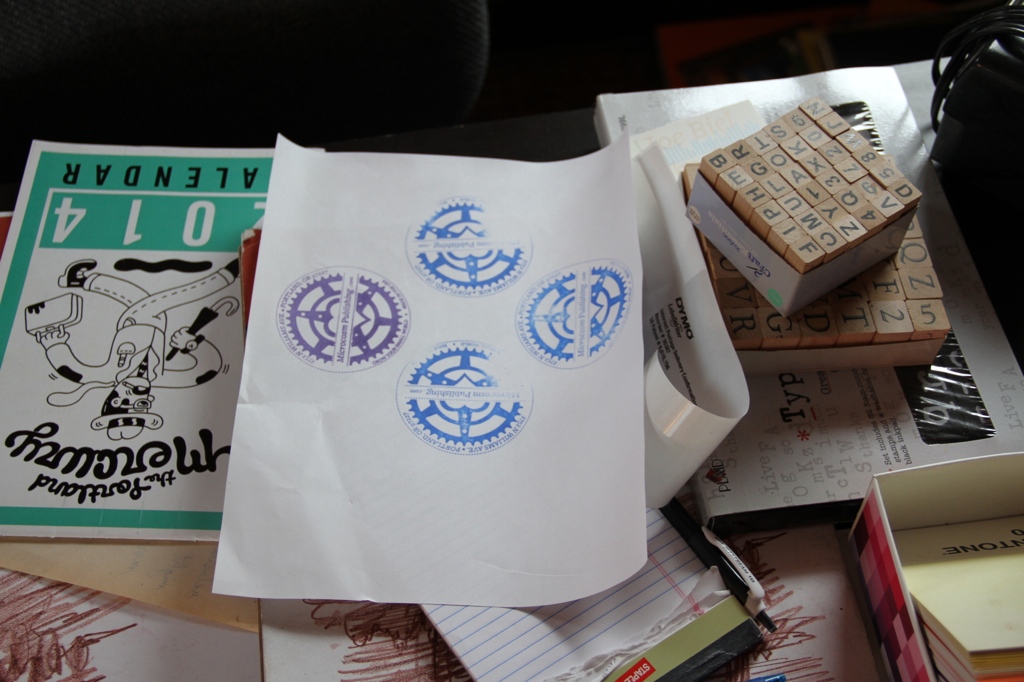 In 2014 at the Pacific Northwest Booksellers Association (PNBA) trade show, as Microcosm was debuting Erik Spellmeyer and Jamie Floyd’s
 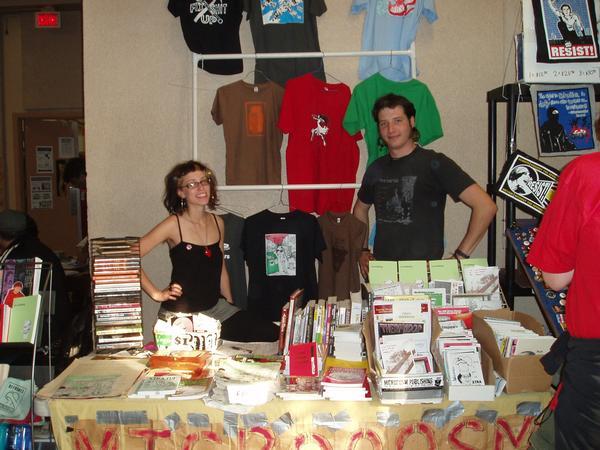 In 2007 while Microcosm was at the Bay Area Anarchist Book Fair, a couple approached our table during the last hour minutes of the final day. They pawed around through our displays for a few minutes and then, looking concerned, before finally asking “Hard times, huh?”