Daily Cosmonaut #10: Slogging Through Intellectual Property
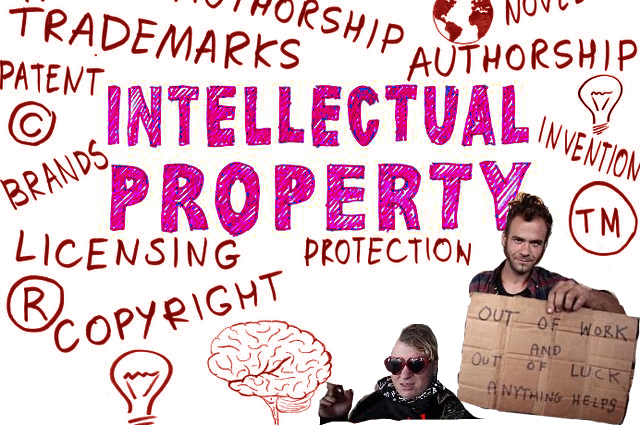
Across the turn of the millennium I would enjoy my days of biking for hours, conceiving of slogans and designs to put on stickers and t-shirts. I would edit the text and image in my head until it was bulletproof in terms of meaning and impact. Over the years and as my health waned, my skills faltered because I simply wasn’t incorporating my biking creative time into my work schedule, which became more and more about staring at a blank screen in an office and being forced to be creative on demand while dealing with all manner of bureaucratic nonsense and logistical problems. The result was that good ideas were no longer stemming from my brain like they once had and I began to rely more and more on my work from five, ten, fifteen, and twenty years ago.
I had never thought to protect my original work partially because I trusted people and partially because I lacked the self-confidence to claim it as my own. But over time, the Internet became a vast grabbing ground of ideas and mine lay dormant there for the taking. At first it was incredibly flattering to see dozens and later hundreds of bootlegs of my work popping up all over the world and to run into a street vendor in Medellin, Colombia selling homemade bootlegs of my work or glossy websites in Japan doing the same. But gradually this began to impact our sales, coupled with the recession and the newfound digital ability to freely print your own bootlegs one print at a time via numerous websites. When the City of Portland produced a bicycling evolution image nearly identical to my own and the designer claimed coincidence, I was confused. Surely he’d seen my original. There were nearly 100,000 prints of it circulating around the globe, not even including the bootlegs! Many other people recited misconceptions of the law to me over the years as a justification to steal the work of others or to plead for people not to use their work.
But when a lawyer in Austin became indignant, claiming that I was “harassing” her for using my work to promote her company, it was the final straw. I filed for my trademark protections. And one by one, bootleggers became licensors and there was a clear path to see that the work originated from me. Having this experience across twenty years informed my own way of dealing with other artists’ original work. I’ve done the reading to understand the limits of creative control and fair use laws, the ability to recontextualize an artists’ work in parody or for educational use. It’s been an incredible learning experience and a maze to witness the horrors of the loopholes in the law. Sometimes a tasteful nod to someone’s style, like Tom Neel did in the Henry & Glenn short stories can be an homage. It’s about been tasteful. These lessons led me back to a better-informed version of what I believed in as a teenager: You don’t have to fuck people over to survive.
 1. What do you do at Microcosm? What parts of the work you do here (and used to do as an intern) are the most entertaining?
 4. Favorites!
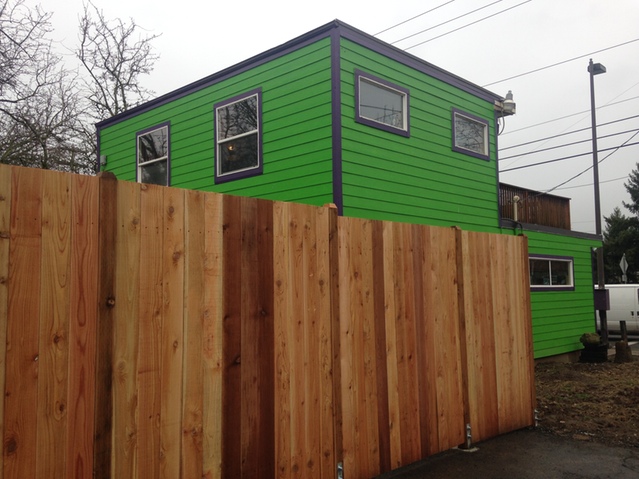 Once upon a time Microcosm was located in a church basement on Ivy Street. We had two and later three adjoining offices. We had a lockable accordian-style door that sectioned off the crawl space under the stairs and a few shelves for warehouse storage. We added a separate room across the building when the boxes were stacked so densely that we could not add one more. We filled every inch of our office and its closets with boxes and then I began filling up my basement at home. When there was indisputably no more room and the landlord raised the rent, it was time to go. We lived holed up in various staff members’ basements and a series of too-small walk-in locations from 2007 until 2010 when we dumped it in all in a big drafty industrial building and signed a deal with a trade distributor to warehouse about 50% of our books.
 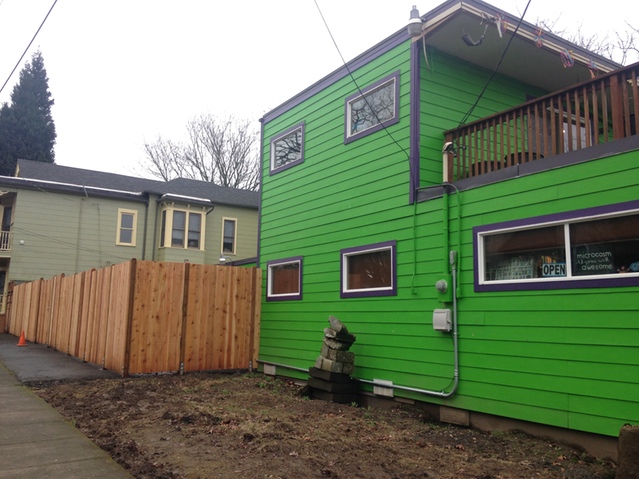 So eventually we found a solution that would work: a fence. Within the height limits and distance from the sidewalk, a fence can create a little privacy and allow for more storage. So over the past 18 months we’ve been steadily under construction and hopefully as a result, we should have enough room for the next two years. This process has forced us to be much more careful about what we publish and how many copies we print. We’ve been teetering close to our tipping point for many years but often that tension can be energizing rather than collapsing.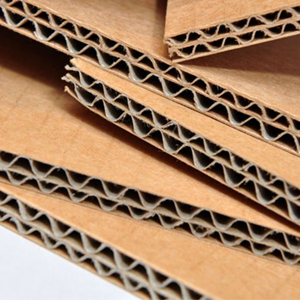


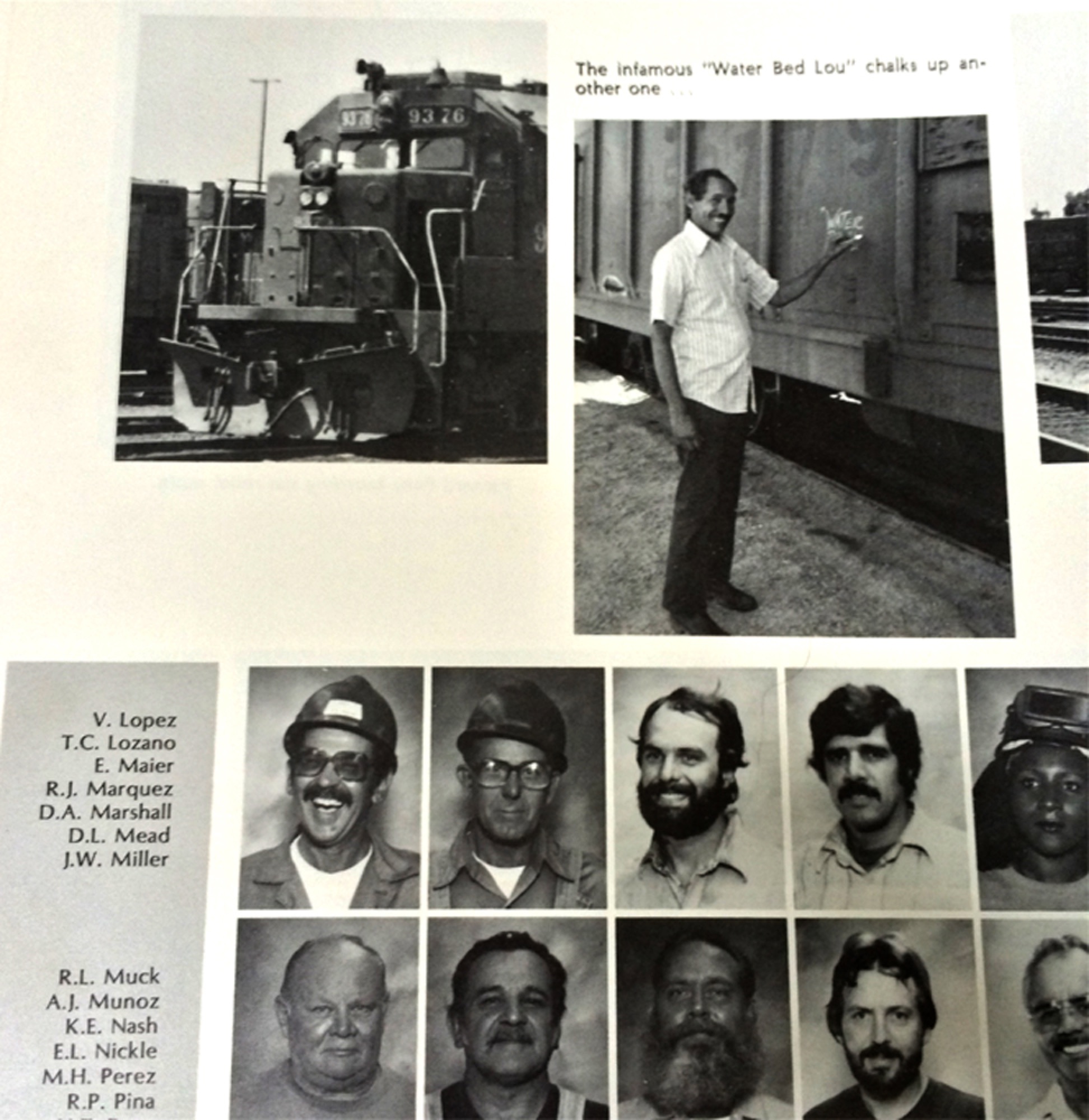
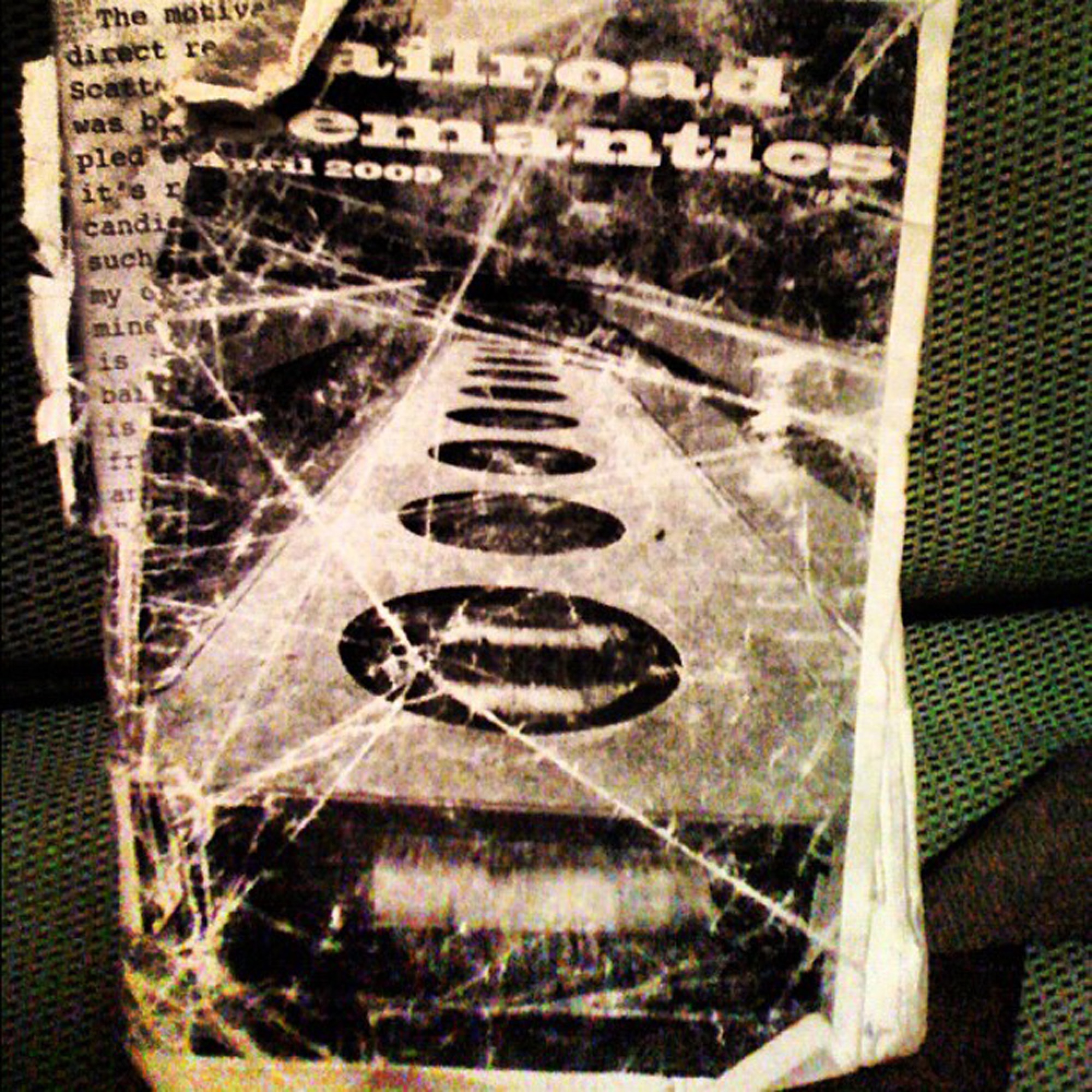 1. How did Railroad Semantics, the zine, start? How did they end up becoming books?
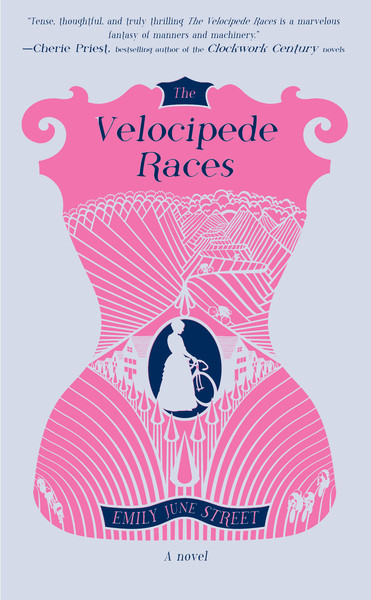
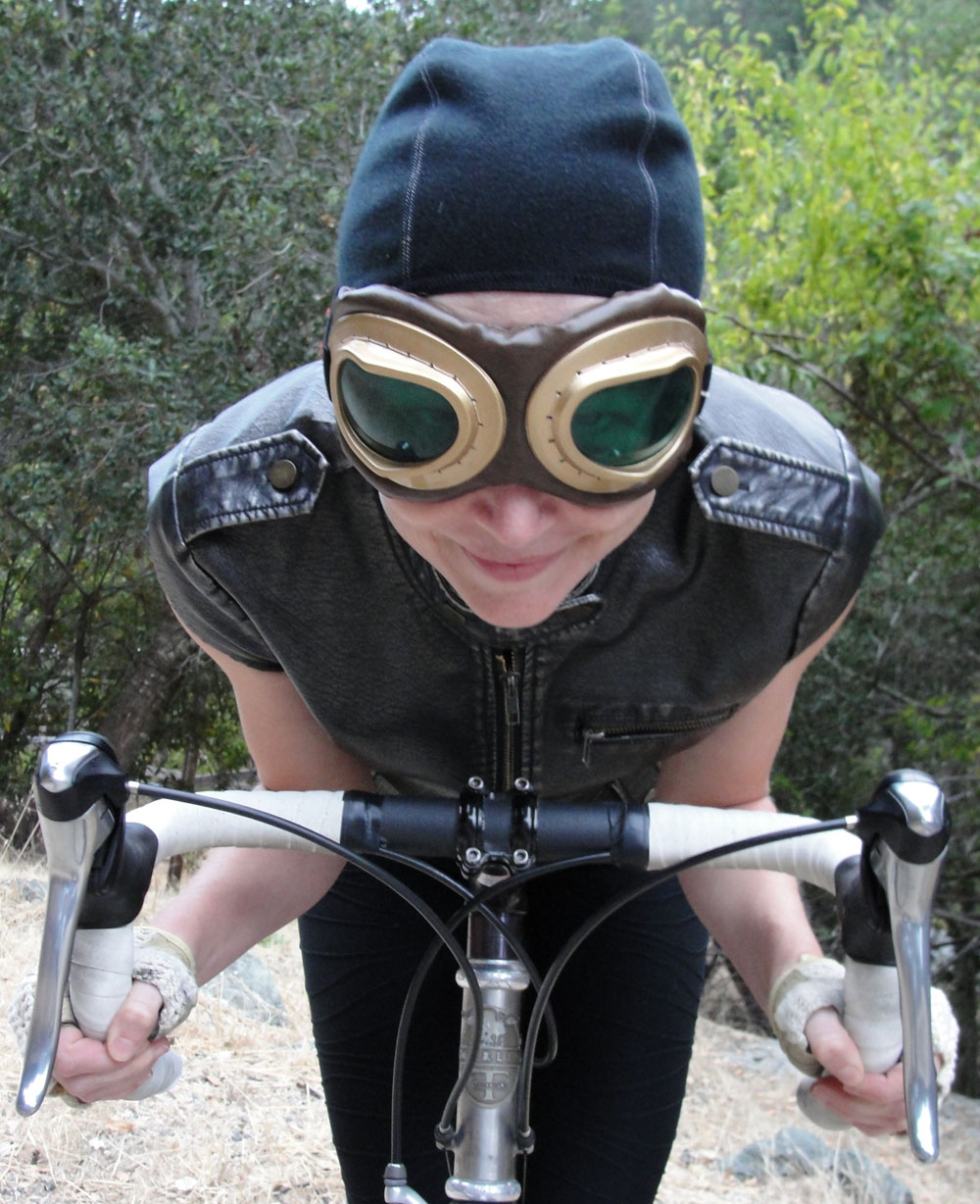 “A tough girl rebels against stifling gender rules in a quasi-historical steampunk world, dreaming of racing her bicycle in the cutthroat velocipede races. But can her dream survive scandal, scrutiny, and heartbreak?” That’s how