An interview with Bob Suren
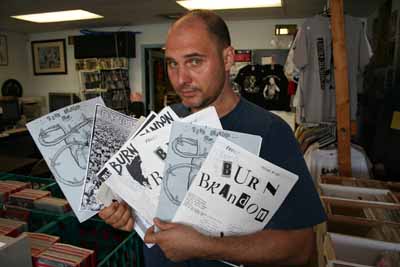 Bob Suren’s book, Crate Digger: An Obsession with Punk Records, comes out on June 8th, and advance copies have been immediately charming everyone in sight. The kickstarter-funded book captures the ups and downs of Bob’s life as a legend of Florida’s hardcore scene and a bellwether of the changing music industry.
Be sure to check out Bob’s youtube channel for priceless Florida hardcore moments of years past. You might also be able to catch him on tour this July if you live…well, just about anywhere in the southeastern, mid-atlantic, or central parts of the US. Best yet, he’s recording an audiobook of Crate Digger, and many bands discussed in the book have given permission to include their music.
1. Lore is that Crate Digger started as a series of Facebook posts. How did those eventually turn into a book?
A: One of my friends, Shane Hinton, who is 14 years younger than me but a gifted writer and college writing professor, told me that the stories were too good to just be Facebook posts. He told me I should turn it into a book but I didn’t think I had enough stories in me and I didn’t know how to organize it. Shane gave me the idea to organize it as a record collection, with the stories in alphabetical order according to the record titles that they go with. I thought that was clever. For a few months, I only wrote once or twice a week, 300 to 1,000 words at a time. Then The ideas started pouring in and I had to keep a list of everything I wanted to squeeze in. Then almost every day after work for a couple of months, I’d try to write a chapter and it came together really fast. Maybe three months of casual writing and then two or three months of hustling. I got exciting as I saw the ideas getting crossed off my list and the writing went faster. The last day I wrote, when I saw the end was in sight, I wrote nearly 8,000 words. That was Easter Sunday 2012.
Then came the hard part—trying to find a home for it. For about three or four months, I tried big publishing houses and agents. I did get some positive feedback but no offers. Then I gave up for about four months. Then a friend laid out all the text for me like a book, with graphics and formatted pages. That got me really excited and I started looking for a publisher again. For the second time around, I decided to go after indie publishers and made a short list of about ten. The publisher I really wanted ignored me, which I thought was rude. Then I skipped a few names down the list and tried Microcosm Publishing on my fourth or fifth day of the renewed search. Joe was into it right away. After just a few emails, maybe just 90 minutes times, I was looking at a contract. He had only read two sample chapters. I asked him if he wanted to read the whole book first and he said no. By the time I flew to Portland in Aug. 2014 for the final edit, Joe had only read about half the book. He read the second half for the first time with me right by his side. The editing process was fast and easy. I think we only lost about six pages from the original text, mostly redundancies. I was expecting to bang heads, but the editing process made for a stronger book.
2. The book is organized alphabetically—is that how you used to organize your record collection?
A: When I only had a handful of records, I kept them in the order I bought them, with new stuff up front and old stuff in back. Eventually, this method made it too hard to find what I wanted so I went to alphabetical. I used to keep all the unheard stuff in a small stack on my desk until it got cleaned and listened to once or twice before shelving. I once had a job at a public library. To get the job, they made me alphabetize a bunch of books and put a bunch of books in order by Dewey Decimal. I think it was 40 books in all, all scrambled. They said I had the fastest time ever. I think I did it in less than two minutes. They didn’t know about Sound Idea, the dustiest but most well-organized record store of all time. Even the T-shirts and stickers were alphabetized.
 3. Fan response to your book has been tremendous—do you have any stories to share about how people are reacting?
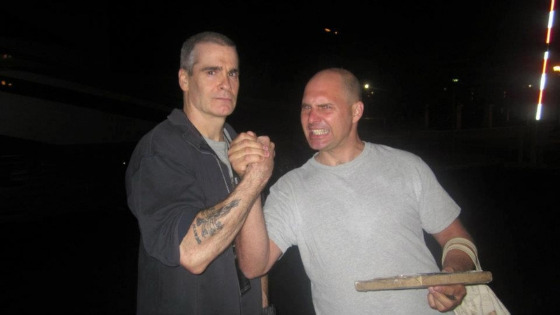
A: Yes, I have been getting lots of emails from old friends and people I never met telling me that the book touched them, that they can relate to it. I just got a long email today from a guy I never met who had some of the same experiences. I think what makes a good book or a good song is that it is relatable. That’s why all those old blues songs still make people feel good, because the listener knows he’s not all alone. So, there are a lot of relatable stories and a lot of universal themes, what I like to call the Big Stuff. I wanted to put in a lot of the Big Stuff so that even people who don’t know the music can understand. My 70 year old co-worker told me that she didn’t know anything about punk but she went through all the Big Stuff, too. That’s exactly what I wanted to do.
And, of course, there are stories so bizarre that they could have only happened to me. Yesterday a guy asked me if the story about the FBI agent is true. Yes, every bit of this book is absolutely true. A lot of people from my past have found me on Facebook recently and ordered the book. That’s been kind of odd but cool.
4. You’ve been navigating the music industry as it’s gone through some massive changes. What do you think is the next big thing? Or, if different, what do you hope it will be?
A: I don’t really follow the industry anymore and I am kind of clueless. I never was good at gauging trends. I could never figure out why some bands were big and others weren’t. I just followed my heart and did things the way that felt right. Some of that was successful and some of it was not. I wish good luck to all the bands, labels, distributors and record shops out there. Vinyl is huge again. I didn’t see that coming. I have no idea how long that will last, but most of the people in music are my kind of people and I wish them well. I just don’t want to crunch numbers any more and play the public relations game. I barely even want to go to shows anymore. I go to shows to talk to my friends between bands. I don’t pay much attention to what is on stage, to tell you the truth. I’m not jaded, I am just more interested in other things. If you give me the choice between a three band punk show or bowling, I’ll take the bowling. It’s new ground for me. I’m no longer interested in treading water.
5. What’s the next big thing for you?
A: Oration is going to be part of my life, reading dates and freestyle talking. I have been playing around with the idea of stand up comedy, too. And I have been writing a lot of poetry which I bet already has people laughing but I don’t care. I am not writing it for them. I’m finding poetry a great way to express myself in short bursts with no limits. I’m also very excited about recording the audio book version of Crate Digger because that’s something I have never done. New territory excites me. Ask me if I want to make a quilt and I am going to say yes because I have no idea how to make a quilt. I want to get into voice over work and maybe acting if I can get a foot in the door. That’s a whole new world that I know nothing about and I may be terrible and I may hate it, but I sure want to try.
This has been an interview with Bob Suren, author of Crate Digger. It’s part of a series of interviews with Microcosm’s writers. The last one was with Why We Drive author Andy Singer. The next is with Consensuality author Helen Wildfell.
 If you call or visit
 In 2013, we published
 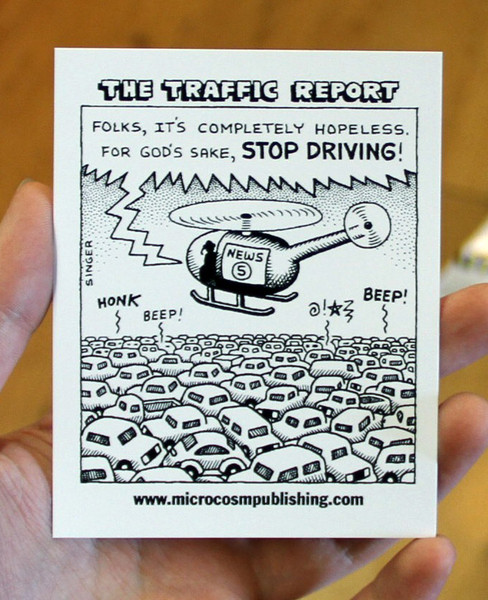 Most people in the US still see bicycles as a sport or something kids do. Do you have a lot of awkward conversations about what your work is actually about?
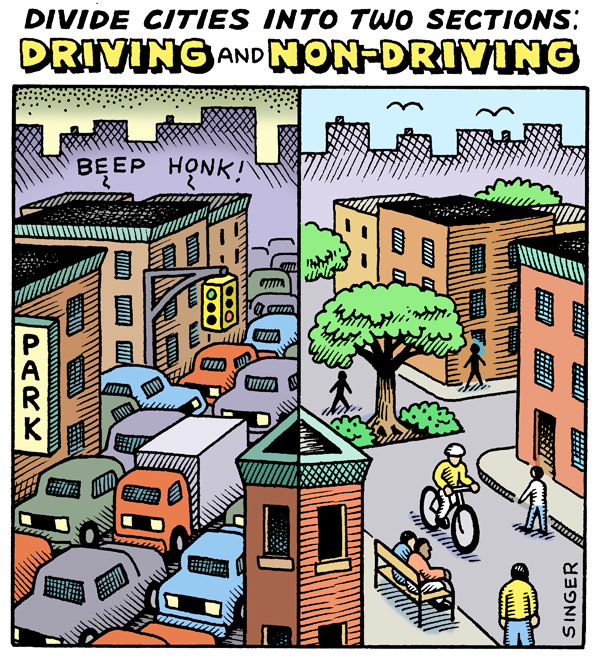 In a globally connected capitalist world, cities and countries are competing for highly skilled labor—programmers, engineers, scientists, etc. To some degree, these people can live anywhere they want. So San Francisco or my current city in Minnesota aren’t just competing with other U.S. cities but are competing with cities in Europe for the best and brightest talent. Polls and statistics show that more and more skilled people want to live in cities that are walkable, bikeable and have good public transit. Also our population is aging and realizing that they don’t want to be trapped in automobile-oriented retirement communities in Florida or the southwest USA. They also want improved walkability and transit. Finally, there’s been an explosion of obesity in the USA with resulting increases in healthcare costs. Many factors contribute to this but increased amounts of driving and a lack of daily exercise are major factors. City, state and business leaders in the US are increasingly aware of all this. It is part of Gil Peñalosa’s “8-80” message (the former parks commissioner of Bogotá, Colombia) and many other leaders.
 Last month, we felt lucky and stoked to publish
 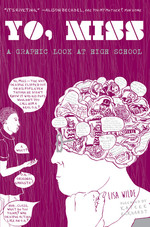 Reading Yo Miss, it was easy to get attached to a lot of the students. Can you share any “where are they now”s with us?
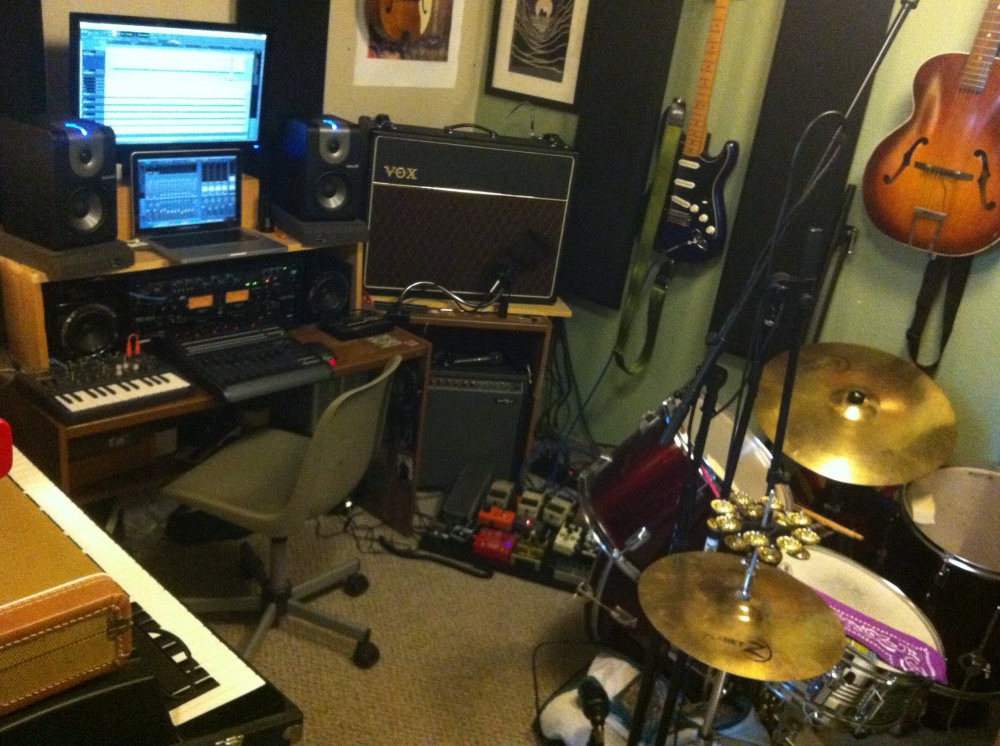 My quest to interview all the Microcosm workers about their work and lives and favorite things has finally reached our warehouse manager, Jeff Hayes, who has been here longer than just about anyone else. Instead of a picture of himself, he chose to submit a photo of his recording studio. For an even better picture of the soul of Jeff, check out his staff picks
 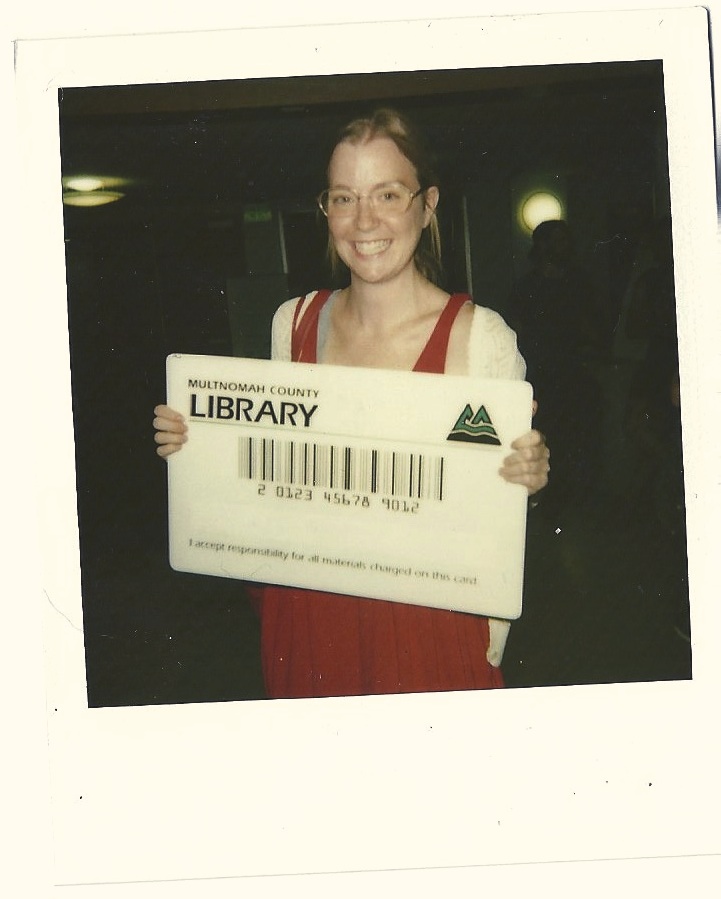 Long ago, Joe handed me a book and said “you’ll like this.” It was Katie Haegele’s
 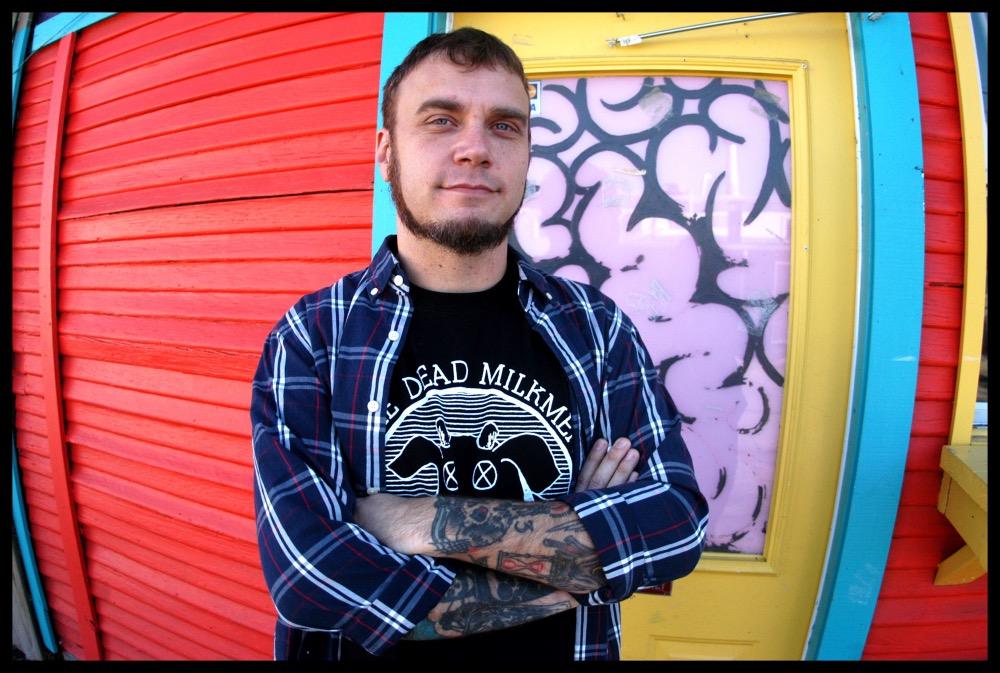 I’ve read my way through most of the Microcosm catalog, but there are some books that just never jumped out at me—most of them being either graphic novels or books about punk music, two genres that I’ve yet to get a handle on. But when I spent a week at home sick, trying to rest and relax, I decided to delve into the books on our list that I had deemed to be the least suited for my interests—Ben White’s
  Your drawing style has evolved a lot since you started in 2001, and of course your life has changed, but even more than those things, the tone of the way you talk about yourself and your life is much different. How have your motivations for making the comic changed, and also do you get something different out of it now than you used to?
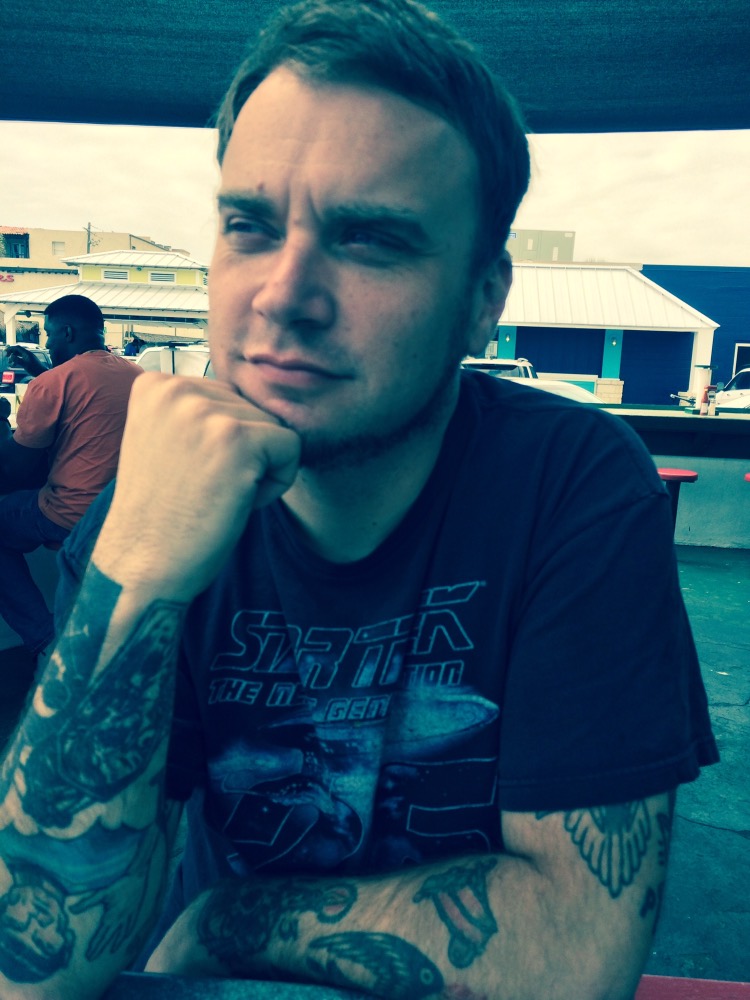
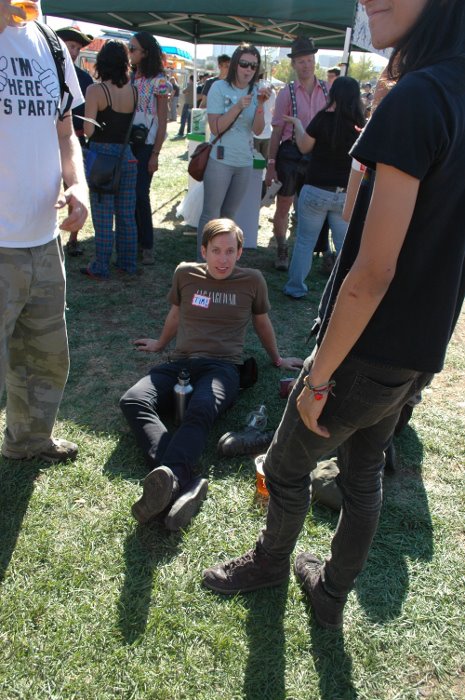 In my quest to introduce our workers to the world, I sent some prying questions this week to Tim Wheeler, who’s been running Microcosm’s publicity operation since 2012, when he worked from a tiny desk atop a lofted platform atop ten teetering feet of stacked boxes of books. Now you can find him behind a comparatively spacious desk upstairs in our new office, barricaded behind stacks of advance copies of books that haven’t come out yet. Read here for more about Tim in his own words—and you can also scope his taste in his staff picks
 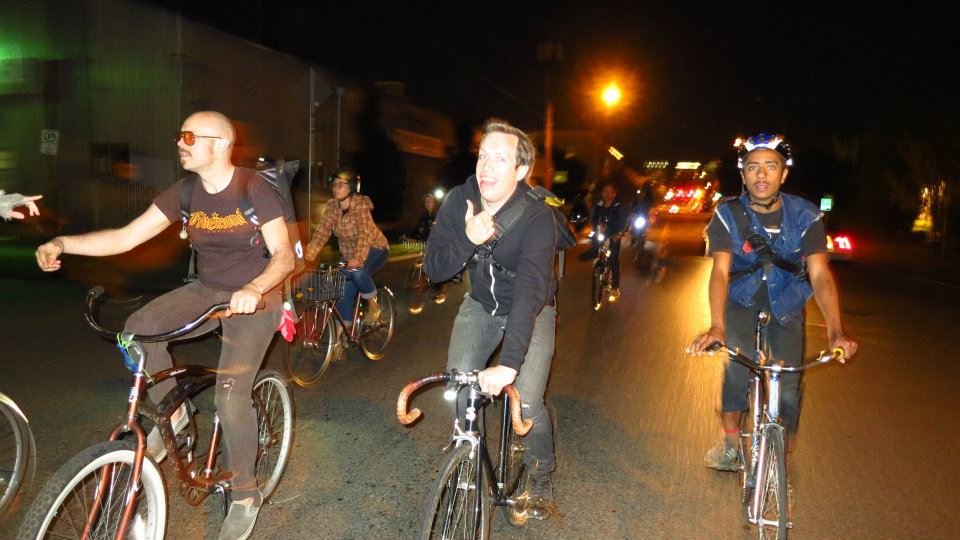 a) Place in Portland: I feel like I need to split this into two categories, since Portland is a pretty great city surrounded by a lot of amazing nature. My favorite outdoor space is the myriad of hidden beaches, rocky outcroppings, and tree lined spots along the Willamette and Columbia rivers, but my favorite is actually a little outside Portland. Hog Island is south of Portland on a stretch of river dominated mostly (and unfortunately) by private estates with “No Trespassing” signs on their docks, but Hog Island is a small, uninhabited island close to a sheer cliff on the west bank of the river. Accessible only by boat (or in the case of my friends and I, a homemade raft of scrap wood and metal pieces with my bike strapped to the side), it’s really just a football field sized chunk of dirt with some trees and sandy beaches, but it feels like you’re hundreds of miles from civilization while floating in the calm stretch of water next to it. As far as indoor spaces, Saraveza happens to be my neighborhood bar, one of the best beer bars in the country (which I’m very much a fan of), and full of some really damn friendly people. It’s the perfect spot to hang out for a bit on a rainy day.
 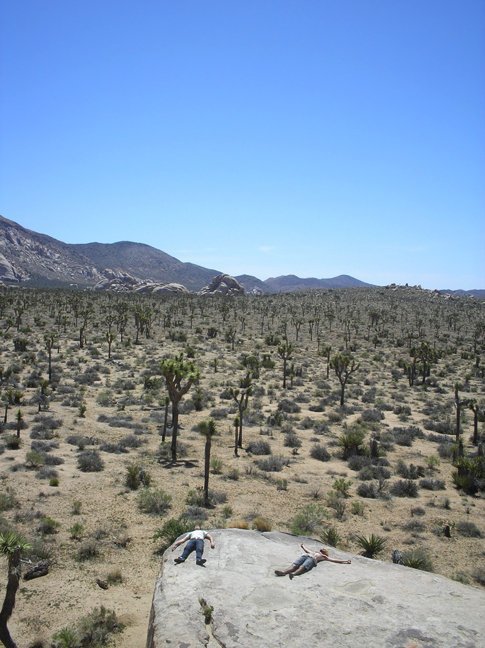 c) Snack food: My favorite foods are of the Mexican variety, but as far as snacks, I can endlessly shovel hummus into my mouth. All I need is a chunk of bread or cucumber or chip or finger.