More Feminist Science Fiction Analysis: Genderless Worlds
 Slowly, but surely, the Pedal Zombies Kickstarter campaign is wending its way to its goal. We got a nice boost yesterday when Cory Doctorow blogged about us on Boing Boing (praising our production values, no less—we swooned). We also found out that some less-enthused Redditors discovered us, but were disappointed that they only assigned the project 4 Oppression Points. Can’t win ’em all.
As promised, here’s another batch of feminist science fiction analyses. (Read the first two here!) Both of these books were requested by Bikes in Space 2 backer (and two-time contributor) Emily June Street (keep an eye out for her reproductive apocalypse story “Breeders” in Pedal Zombies):
I read this book when I was a teenager and my main memory is of mortification upon reading the sex scenes—I thought that someone might walk past me and just know, perhaps through telepathy or x-ray vision. Returning to it as an adult was in fact a bit nostalgic; not just for the dimly-remembered story of a woman who makes what turns out to be a one-way trip to a planet where a virus has long-ago killed everyone with XY chromosomes, but for an era of half-awed, half-ashamed discovery of early-90s feminism, lesbian separatism, and a sort of post-Mists of Avalon ecological mysticism. Times and tropes have changed so much in 20+ years, but slowly and organically enough that it wasn’t until I reread this that I was able to pinpoint exactly what I’ve seen them change from.
What seems amazing now is that the thing that sets Ammonite apart from other books I’ve seen about all-women worlds is, well, the actual lack of men. No hapless male explorer needs to stumble on this strange society in order to interpret it for a bewildered audience. There’s no Lysistrata-like parable here of how zany and strewed up things can get when women are in charge and men become the underdogs, and also no posturing about how much better a world run by women would be. Maybe it seems like a subtle difference, but it’s a big thing. Instead of a parable about gender differences, the story becomes a case study in genderlessness. Femininity just isn’t a thing on this world, so there’s no need to interrogate what it means. Instead, its inhabitants have a whole complex range of traits, interests, backgrounds—a range usually reserved, especially in science fiction, for the default gender (ahem, men).
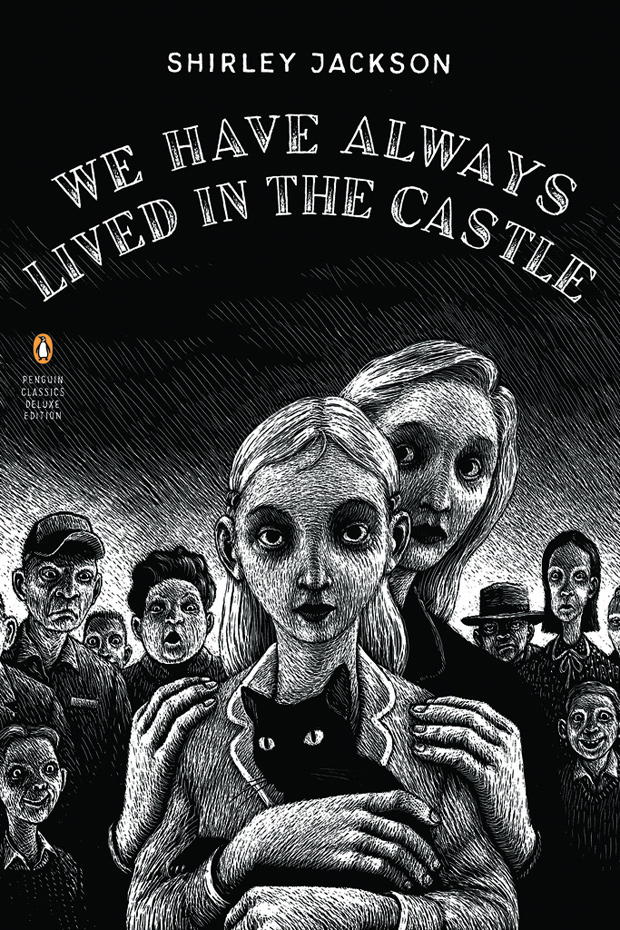
Ancillary Justice by Ann Leckie
I remember reading books by Ursula LeGuin as a young person and one of the many things that set them apart is that the human characters of her very distant worlds of the very far future were almost never what we’d think of as, well, white. It’s kind of an obvious point if you think about it—why would race in a galaxy far, far away exist in the same exact way that it does now? But back then, space was populated either entirely by white men, or when others were allowed in, governed by the same unfortunate racial and gender power dynamics of the authors’ time. That’s still very much the case in today’s writing about the future, unfortunately (and oh, the movies, let’s not get started). But there’s a refreshing trend away from that. Ancillary Justice, in winning the 2014 Hugo Award, has come to represent it. The book has inspired many science fiction writers and readers to question their assumptions about race. And at the same time, it’s sparked a countermovement of writers, readers, and losers who don’t approve of science fiction that describes anything but the heroic white male norm.
The book is lots of fun. It’s a good, classic story of humans and robots and empires engaged in an interstellar, interspecies war. The main drift of the book is the conflict, at points embodied in one consciousness, between two different ways to manage an established empire: Constant, cruel expansion, or methodical, democratic dismantling. On a smaller scale, the book is about personhood: What does it mean to be an individual, the protagonist of your own story? Who qualifies, and who gets to choose?
Class hierarchy has more meaning than gender in the ruling group. Skin color is meaninful: dark skin is a hallmark of the aristocracy, though it is mentioned that both skin color and gender can easily be altered by anyone with a decent paycheck.
In some of the societies in the book’s expansive universe, gender is so unimportant as to not even be marked by language. The protagonist, who comes from this culture, constantly screws up pronouns as they travel from place to place. For us earthbound readers, the author defaults to the pronoun “she” to describe every character, even if we’ve been told that character happens to be male. The result is pleasantly disorienting. As I read the book I was constantly backpedaling mentally, realizing my subconscious assumptions one at a time as Leckie blasted them to bits with plasma guns. I’m excited to read the next two books in the series.
I’ve got one final batch of reviews coming up in the next 10 days. In the meantime, please check out the Pedal Zombies Kickstarter campaign and consider throwing down $13 for a book and some stickers… or $50 for a chance to see your own sci fi choices raved or panned here!
 A big welcome to our newest Microcosm worker, sales director Thea Kuticka. Thea has been here for a month, getting to know our systems (aka, epic wading through lots and lots of spreadsheets), getting acquainted with everyone, and sharing her experience and insights from over a decade in publishing (and also her home grown blackberries, yum!). I asked her some questions over email.
 My favorite kind of book to read is one that will inspire me creatively. I look for stories that come from a creative impulse. These are inspired novels and memoirs such as
  I’m optimistic! And this is coming from someone who tends to see the glass half empty. The desire to read is as strong as ever—it’s just how we read and the tools we use to access those ideas that have changed. It used to be TV that would kill the book, then it was gaming, now it’s ebooks. But what hasn’t changed is our insatiable need for more—we still want to be entertained, inspired, discovered—there’s a huge collaboration going on now between readers and publishers.
  This is the seventh post in our ongoing
 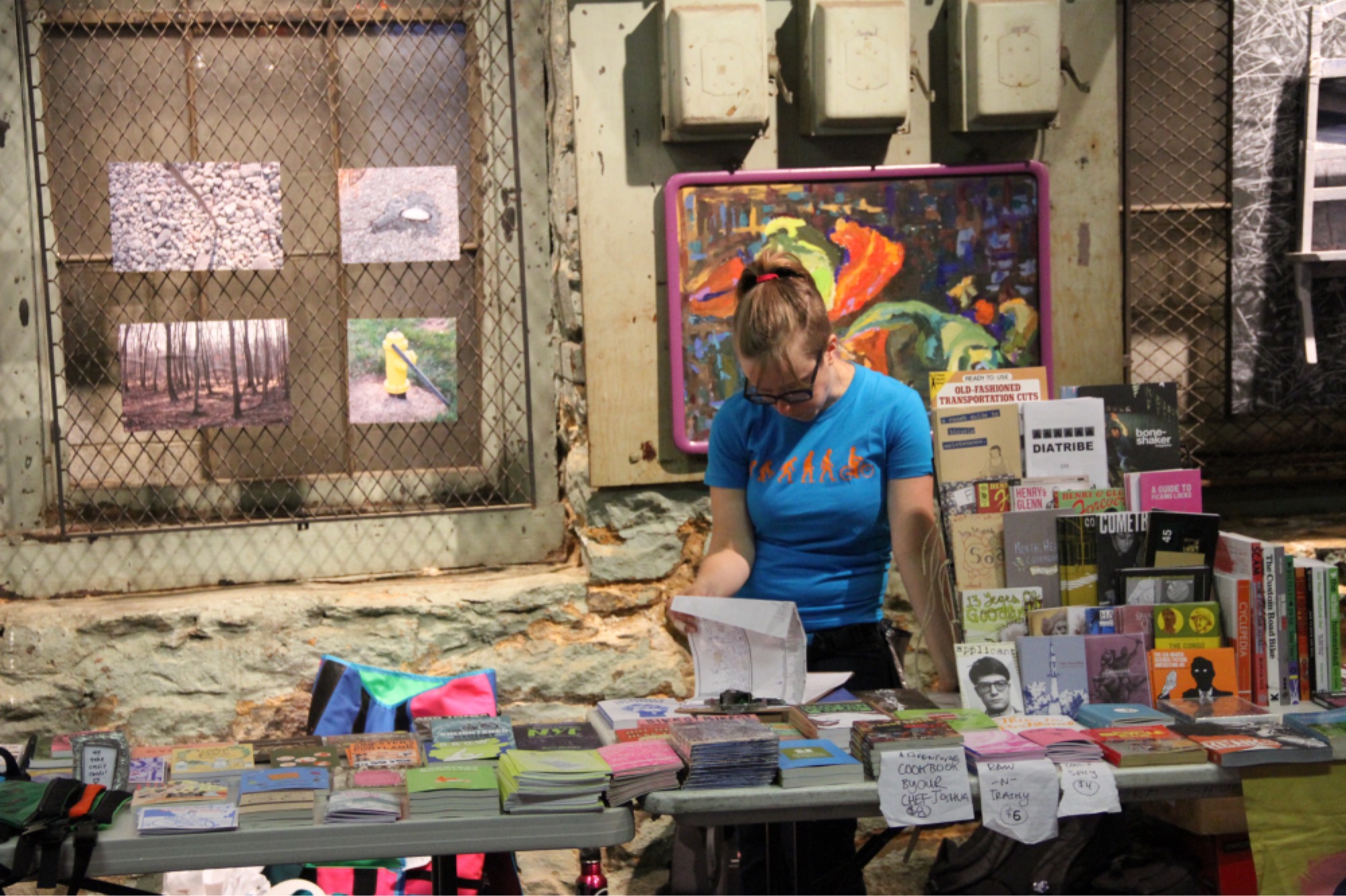 Over the years we did events in rad DIY venues, historic punk clubs, people’s houses, and infoshops. We quickly gave up on doing straight-up readings and signings—we found those undynamic, and it turns out that our audiences were also more excited about multi-media presentations on topics that related to our books. But it felt like a looping vacuum. We were reaching the same people in the same city each time we visited and while the quality of our performance and books improved every year, it couldn’t grow our audiences in venues like these. So Elly Blue pioneered a new innovation for our tour in 2010: We could work with nonprofits and advocacy organizations, however small, to bring our tour to their cities. The organizations benefit by demonstrating their message and mission to their members and residents.
  Here’s what we took in during the last month!
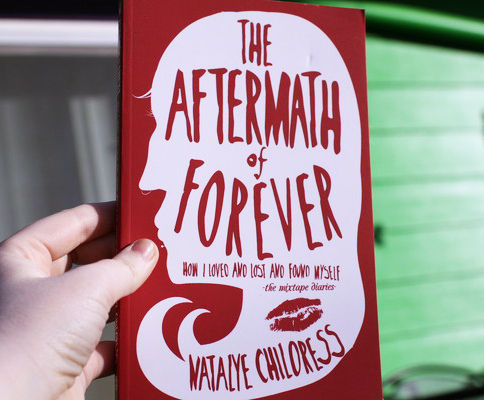 In this new blog series, we ask Microcosm interns to pick any book we’ve published and review it. Cyn chose
 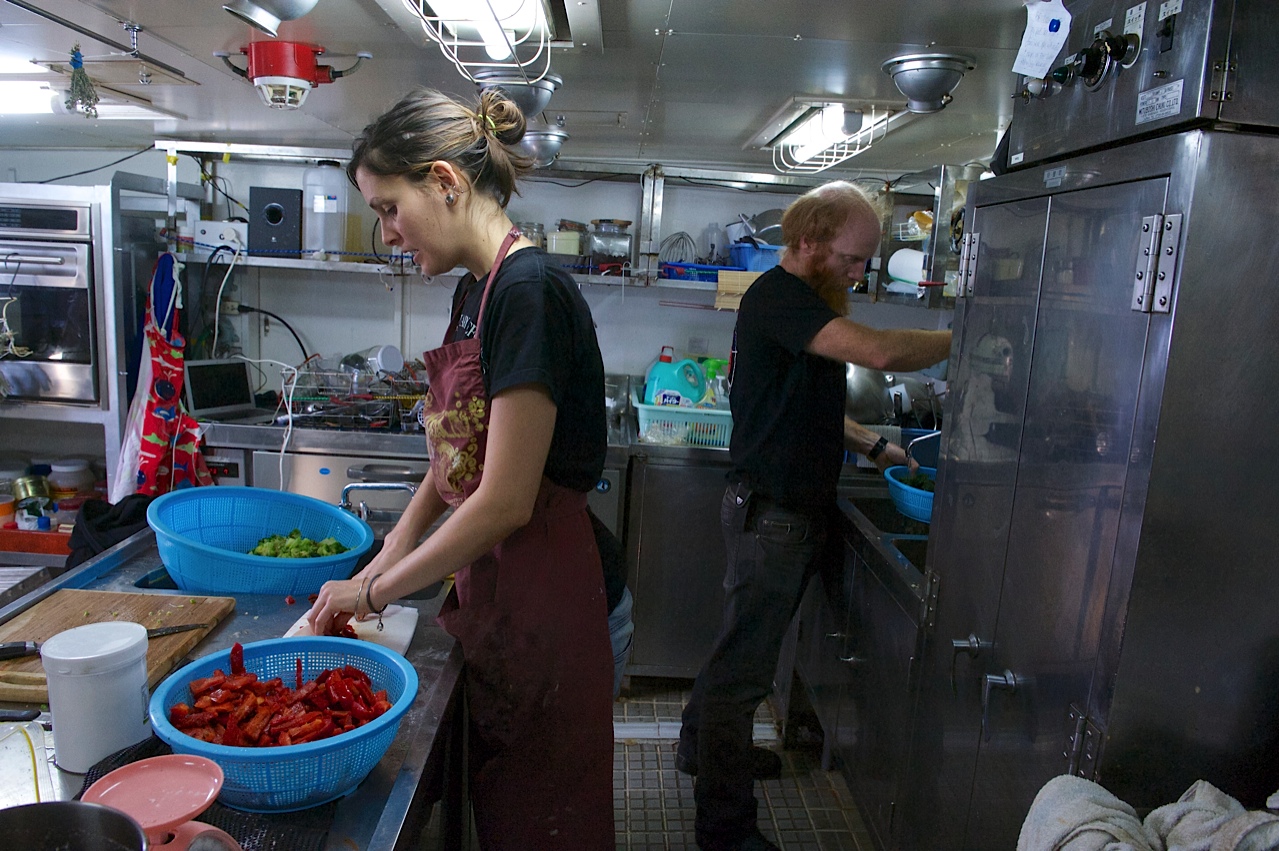 After Raffaella Tolicetti graduated from college, she signed up to volunteer on a Sea Shepherd ship, setting off with a group of other activists to sail the high seas to prevent illegal whale hunting. She quickly was appointed the crew’s chef, despite no professional cooking experience. Her cookbook,
 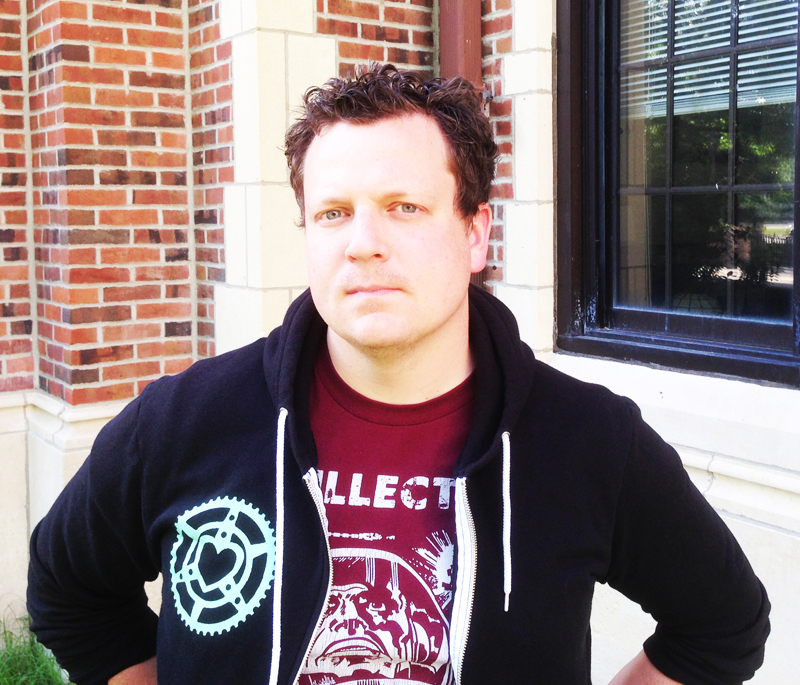 A whole lot of hours and days and weeks in the last year at the Microcosm HQ have gone into pouring love and effort into
 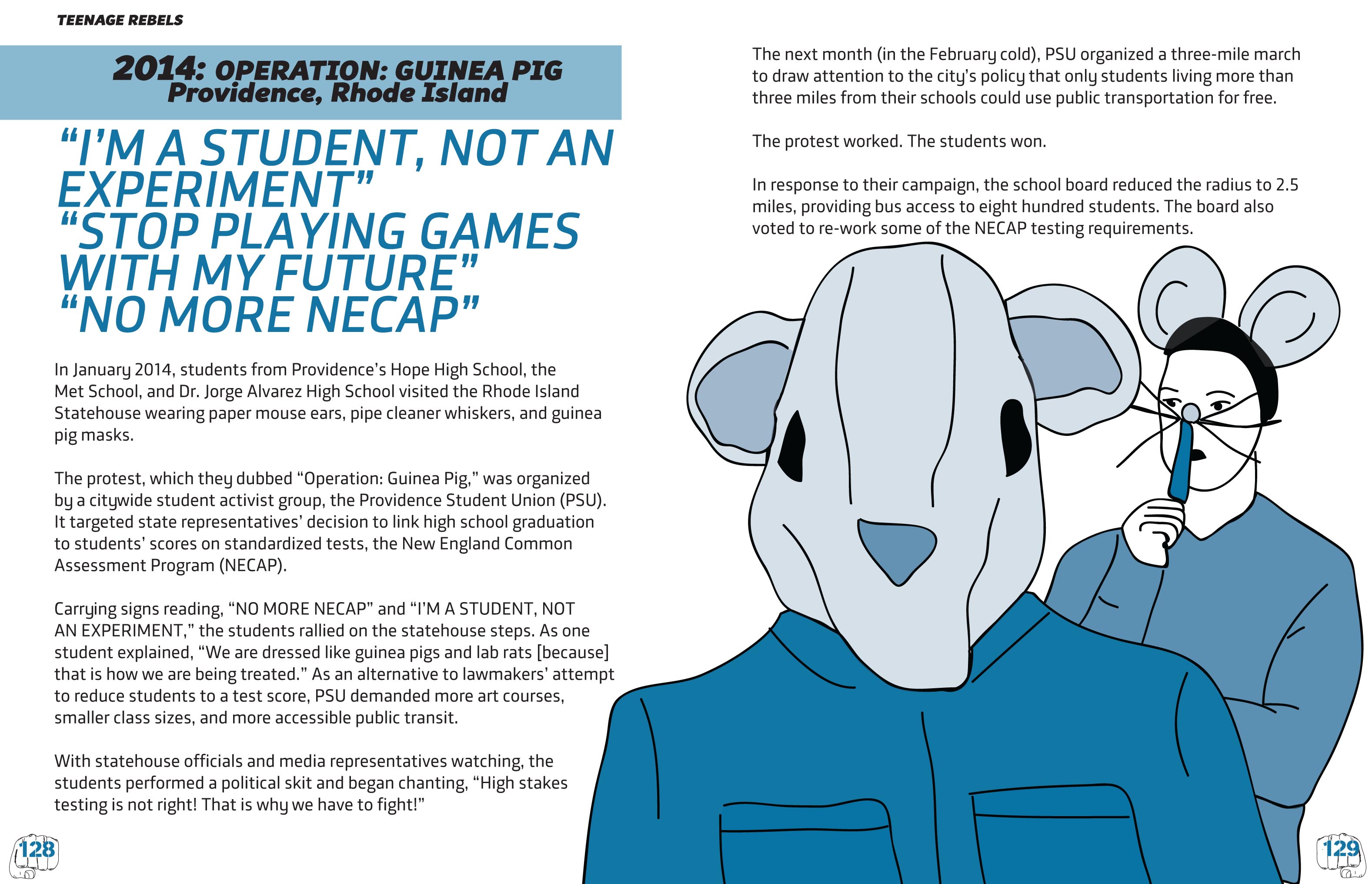 In my mind, there are two main audiences for the book. The first is the most obvious. It’s for teenage rebels! I wrote it for young people. It’s their history. So, I hope they find it useful. I think these stories are empowering, and teens are an especially disenfranchised group. My own teen years were an exercise in correctly identifying injustices and then directing my anger almost entirely at the wrong targets. So, I hope young people will read the book and see that it is possible to vent your frustrations in ways that actually make positive changes. The future is in their hands.