America’s #1 Bike Cartoonist: An interview with Bikeyface
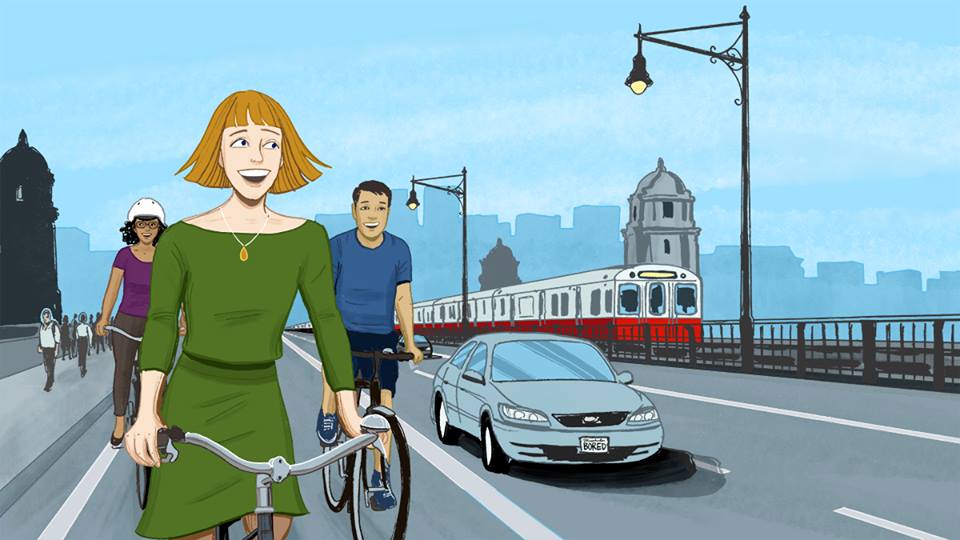 Of the fifty-plus contributors to our brand-new book Our Bodies, Our Bikes, few are as renowned as the artist known as Bikeyface. From her secret bunker in the Boston area, she’s been alternately delighting and enraging anyone who types a bicycle-related question into google for years now with her series of ongoing web comics that provide wry commentary on everything from safety to sweat to driver behavior to that giant, unladylike smile that gets plastered to your face when you spend a lot of time on your bike.
I’ve long been curious about Bikeyface’s bike comics career, and she kindly agreed to answer a few questions over email.
1. Tell us a story… how did you become America’s #1 Bikey Cartoonist?
I didn’t plan to be a bike cartoonist, it was something that happened when a lot of things in my life intersected. I was an artist who had just moved to Boston, started a new job, and started biking everywhere. I didn’t know many people in Boston and making art can often be solitary. But I wondered if getting involved with the local bike community would be a better way to meet people. I didn’t know much about the bike community and I was a real newbie. But I muddled through volunteering at a couple events, went to some workshops, and tried joining an organized ride—but it was harder than I expected to find my niche. (Note to new bicyclists: do not pick the Ride of Silence as your first “organized ride.”)
In the midst of this trial and error of finding community I also decided to start a blog on a community bike site, bostonbiker.org. It was the middle of the night, and a half-baked idea I assumed I would abandon very quickly. I did it anonymously at first—I had read the comments section before. In the beginning it was quick anecdotes, photos, thoughts, even recipes. But because I’m an artist by nature I started throwing cartoons in there too. After a few compliments I started doing more cartoons. Suddenly I found myself getting web traffic from around the country. So I went all in and that’s when I started Bikeyface. And eventually I did meet some other people who bike in Boston too.
2. Many of your comics have included a feminist critique of parts of bicycle culture. Your comic in Our Bodies, Our Bikes depicts a woman going into a bike shop and not having the greatest experience. Have you seen changes for the better/worse/neutral in bike culture in the time that you’ve been riding? What would you like to see happen next?
I’m not really sure how much has changed for women in bicycling industry—or if I’ve changed more? I struggled a lot in the beginning and had many awkward interactions in bike shops. I couldn’t tell if it was lack of knowledge about bikes, having limited bike experience, or being a woman. I was definitely aware I didn’t know anything about bikes but I also didn’t know much about gender issues in cycling aside from the “girl” bikes always having flowers on them (yuck.) I wouldn’t have called myself a feminist then, either. But somewhere along the way as I got more experience with biking it brought me to feminism. I notice much more of the nonsense than I did before so in some ways it seems worse. I think there is a heightened awareness overall and desire to call the industry out on it. I’ve also seen two women-owned bike shops open in my neighborhood, so that is a measure of progress (and luxury). I’d like to see more women-friendly bike shops around the country as well as more robust product lines that appeal to women.
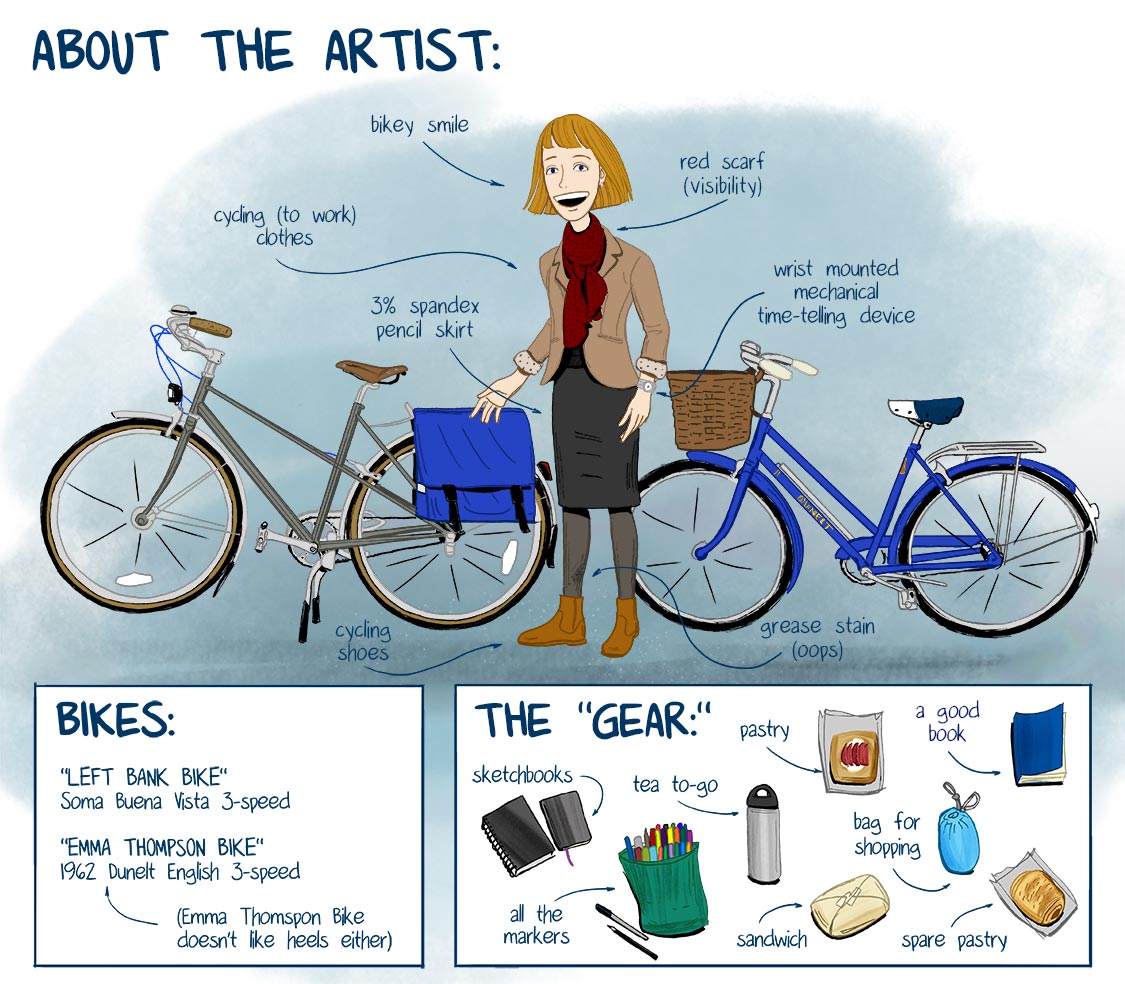 3. What’s your favorite comic that you’ve drawn? What (if it’s different) has been the most popular one?
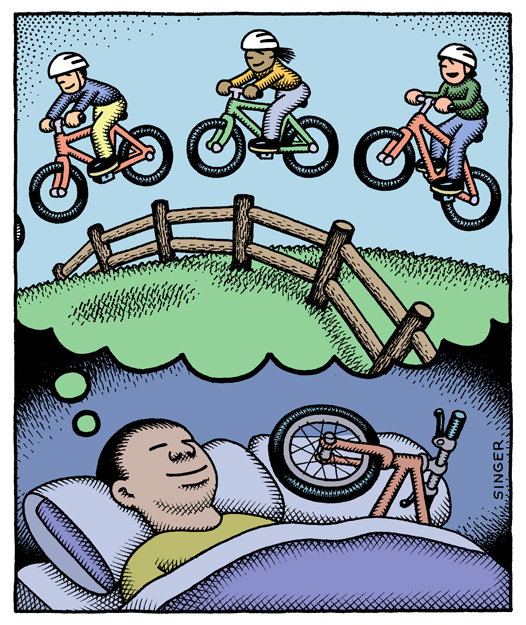
My favorite cartoons are ones that make me crack up so much while I’m drawing them that I have difficulty drawing a straight line—like So Ladies. The most popular was Not Asking For It which was a surprise to me—it definitely made the rounds more than I anticipated.
4. Do you get to make art for a living? Any advice for other comics artists who want to do something similar?
I don’t make art for a living. Sometimes I wish I did—but most of the time I’m really glad I do not. If I were paid for making art everyday it would become another job and I wouldn’t be drawing the things I personally enjoy (like Bikeyface.) I occasionally take freelance jobs that are interesting to me but full time freelance can be a roller coaster—I learned early on that I’m too much of an anxious person to go on that ride. I have an office job because I’m more creative when I have stability (and regular food). So I work during the day and draw in the limited evenings and weekend hours. This means I go to very few social events but that’s okay for an introvert. The only downside to this system is that I often run out of time and can’t do everything I would like to.
I recommend other comic artists think about their own style and personality and find an art/life/money balance that works for them. The internet is a great way to find an audience and build it. However, it’s not a great way to make money. So that means you have to have a day job or a willingness to embrace the struggle to build the business side of your art.
This is one of a series of interviews with Microcosm contributors. The previous interview was with vegan chef Joshua Ploeg. The next interview is with Alexander Barrett, who writes illustrated love letters to cities in book form.
 A big welcome to our newest Microcosm worker, sales director Thea Kuticka. Thea has been here for a month, getting to know our systems (aka, epic wading through lots and lots of spreadsheets), getting acquainted with everyone, and sharing her experience and insights from over a decade in publishing (and also her home grown blackberries, yum!). I asked her some questions over email.
 My favorite kind of book to read is one that will inspire me creatively. I look for stories that come from a creative impulse. These are inspired novels and memoirs such as
  I’m optimistic! And this is coming from someone who tends to see the glass half empty. The desire to read is as strong as ever—it’s just how we read and the tools we use to access those ideas that have changed. It used to be TV that would kill the book, then it was gaming, now it’s ebooks. But what hasn’t changed is our insatiable need for more—we still want to be entertained, inspired, discovered—there’s a huge collaboration going on now between readers and publishers.
 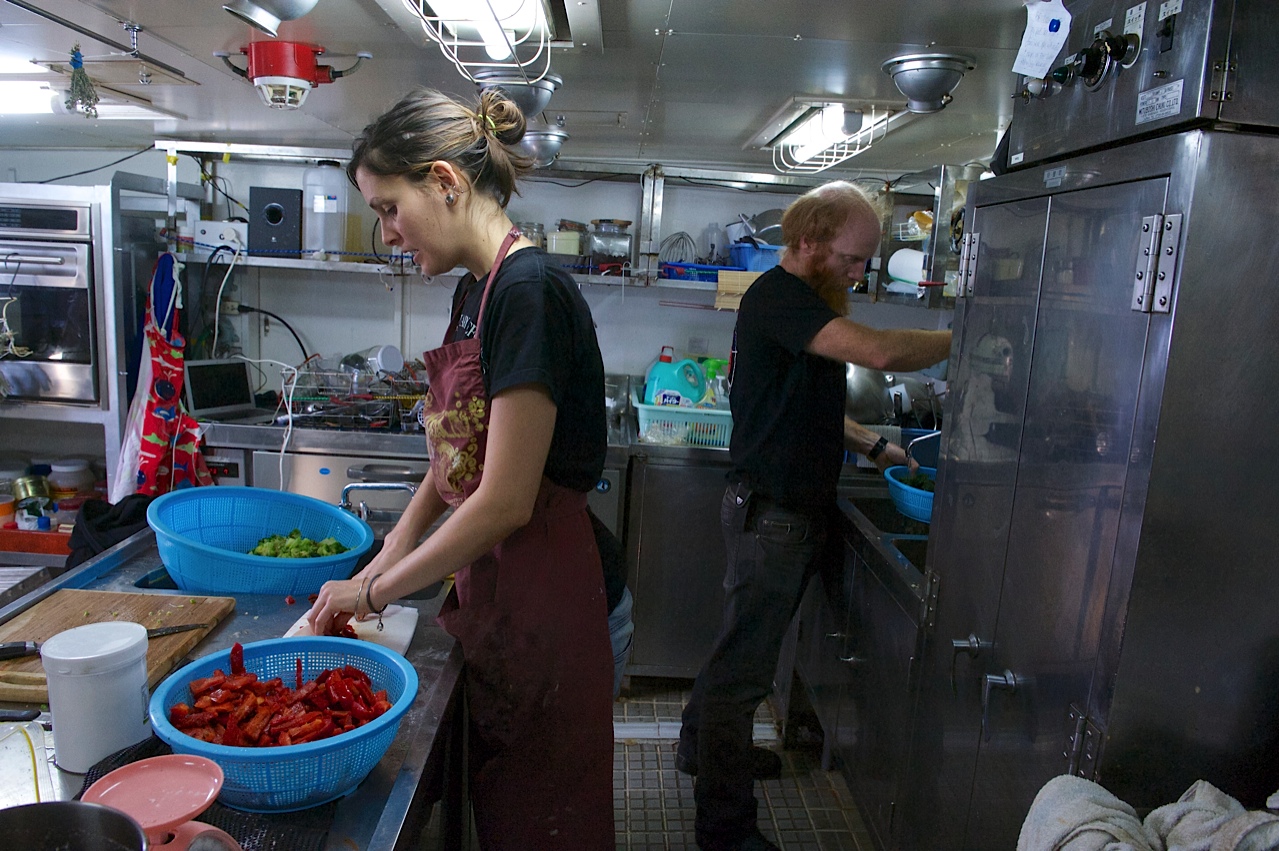 After Raffaella Tolicetti graduated from college, she signed up to volunteer on a Sea Shepherd ship, setting off with a group of other activists to sail the high seas to prevent illegal whale hunting. She quickly was appointed the crew’s chef, despite no professional cooking experience. Her cookbook,
  A whole lot of hours and days and weeks in the last year at the Microcosm HQ have gone into pouring love and effort into
  In my mind, there are two main audiences for the book. The first is the most obvious. It’s for teenage rebels! I wrote it for young people. It’s their history. So, I hope they find it useful. I think these stories are empowering, and teens are an especially disenfranchised group. My own teen years were an exercise in correctly identifying injustices and then directing my anger almost entirely at the wrong targets. So, I hope young people will read the book and see that it is possible to vent your frustrations in ways that actually make positive changes. The future is in their hands.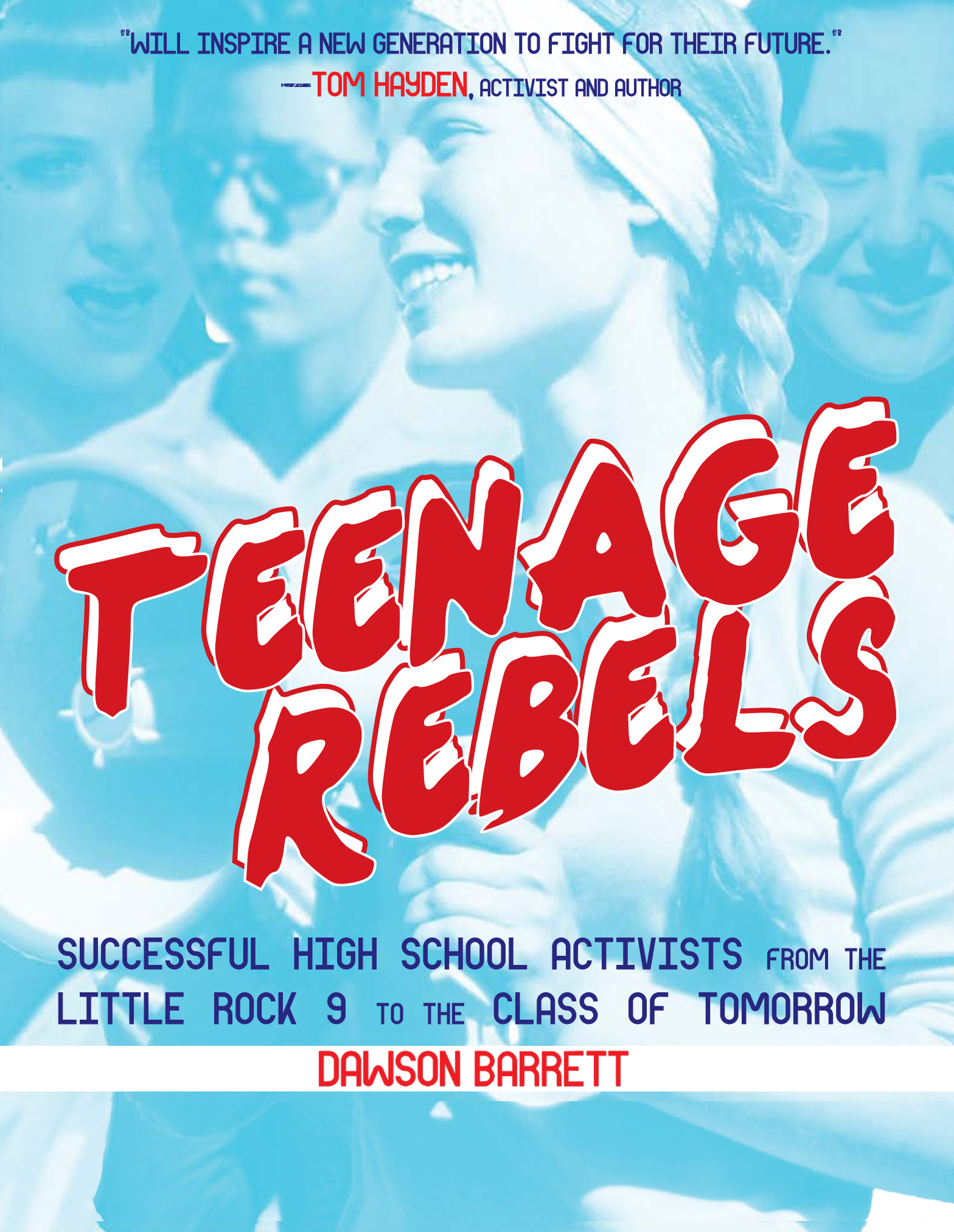
 Helen Wildfell came to us with a proposal for a zine about her experiences learning to build healthy relationships. We liked it so much that we asked her to turn it into a book. The result is
  The book comes out July 14th. How do you think readers will respond? How do you hope the book will be taken?
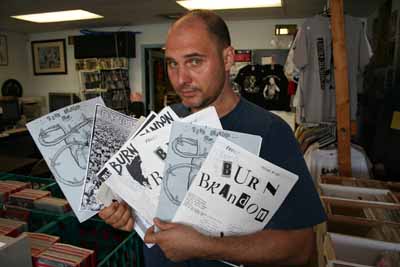 Bob Suren’s book,
  3. Fan response to your book has been tremendous—do you have any stories to share about how people are reacting?
  If you call or visit
  In 2013, we published
 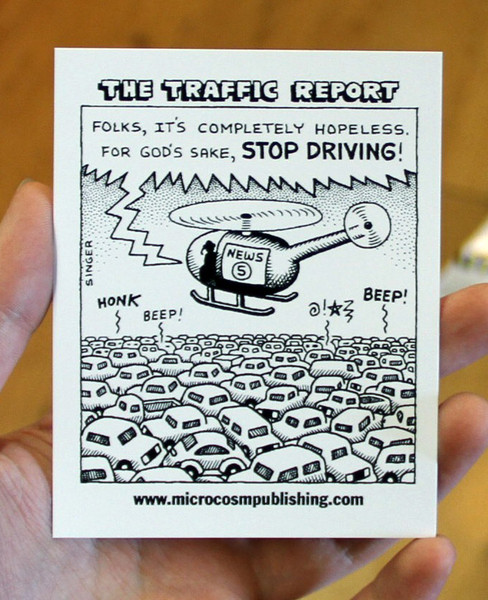 Most people in the US still see bicycles as a sport or something kids do. Do you have a lot of awkward conversations about what your work is actually about?
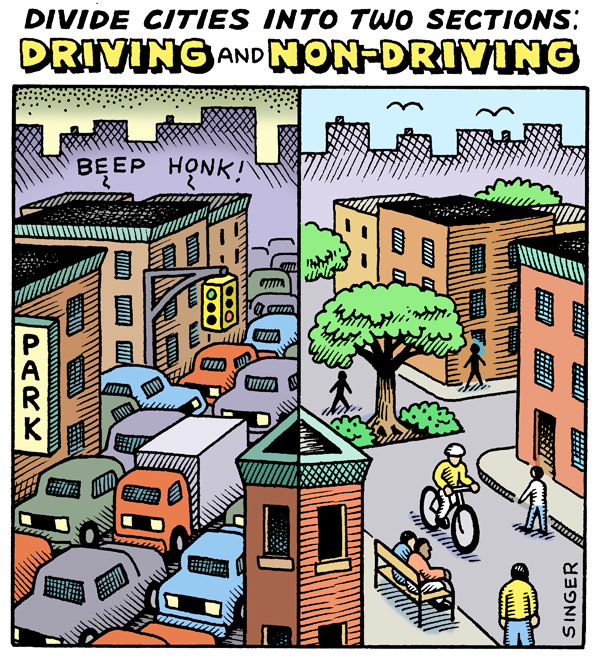 In a globally connected capitalist world, cities and countries are competing for highly skilled labor—programmers, engineers, scientists, etc. To some degree, these people can live anywhere they want. So San Francisco or my current city in Minnesota aren’t just competing with other U.S. cities but are competing with cities in Europe for the best and brightest talent. Polls and statistics show that more and more skilled people want to live in cities that are walkable, bikeable and have good public transit. Also our population is aging and realizing that they don’t want to be trapped in automobile-oriented retirement communities in Florida or the southwest USA. They also want improved walkability and transit. Finally, there’s been an explosion of obesity in the USA with resulting increases in healthcare costs. Many factors contribute to this but increased amounts of driving and a lack of daily exercise are major factors. City, state and business leaders in the US are increasingly aware of all this. It is part of Gil Peñalosa’s “8-80” message (the former parks commissioner of Bogotá, Colombia) and many other leaders.