For over 10 years, Elly has been publishing a series called “Bikes in Space,” full of joyfully feminist (and often queer) genre short stories ON BIKES. One of our longest term contributors is Summer Jewel Keown, who also edited the most recent edition, “What Rides at Night” This week on the pod, Elly and Summer have a chat about bikes, the Bikes in Space selection process, and queer Halloween.
The world is on fire. Has been on fire. Some of us have always known that the institutions that purport to protect us do no such thing. For others, this is a new experience. Masks are off. Depravity is running rampant in its out-loud voice. The veneer of civility is just … gone.
Traditional forms of therapy aren’t created for this. There is no use in challenging inaccurate negative thoughts. Because they aren’t inaccurate. Trauma therapy? Doesn’t do much when the trauma is immediate, continuous, and ongoing. Breathwork, meditation, journaling, etc? All great techniques for calming, grounding, and self-soothing. But not nearly enough.
What is really going on, psychologically, in the face of all this? What theories of care would help? I’m working on a book on the topic, Unfuck Your Doom, to be published by Microcosm Publishing this Fall. One of the techniques I share in the book is a series of action items. Things that help us fight back in any of the ways we have available, while keeping us tethered to the full experience of our humanity.
Doing stuff is important. For ourselves and for our community. Being frozen with fear leads to acquiescing to inhumanity. And we are NOT letting that happen, right?
This technique is a self-coaching strategy, which means this is the exact kind of emotional wellness technique that you can walk yourself through. And you can design the actions you decide to take in ways that are specifically helpful to your immediate experience. It’s based on two main ideas.
The first idea behind this strategy is action in the face of fear. Extensive knowledge of a problem elicits overwhelm and a freeze response…of sorts. Not in the polyvagal kind of way, really, but a level of paralysis by analysis.
Clinician and environmental activist Mary Pipher wrote about this paralysis in her book The Green Boat. She noted that getting people to act means giving them enough information to know a problem needs to be solved.
But when we shoot a firehose of horrifying data into people’s faces, we feel the problem is too big to solve. And the problem right now is that the horrifying data is coming through our devices constantly.
Which is all to say, if you are feeling paralyzed? It’s a very human response to inhumane times. Those who benefit from all this fear and pain are delighted to see it occur. And fuck them.
The second idea in this strategy is that a full life is also a form of protest. The parts that often get left behind when we go into “fight back” mode are the reasons we have chosen to fight. When we are frozen from action by fear and overwhelm, it impacts all areas of our lives and reduces our connection to all facets of our humanity. We lose connection, community, and joy….which are also of utmost importance.
To combat it, we need a combination of both support and independence. If I tell you exactly what to do, I’m just as bad as any other powerful person enforcing their will on you. And it won’t work as well, because the only person who really knows what you need is you.
So what I am going to provide is support for your independence. The things you can do that will help. Things that help others while helping you live to fight another day. All you need to do is fill in the details. Take a deep breath, connect to your own internal moral authority, and get to work.
Nothing we do needs to be big and time consuming. Small, quick actions matter, too. Small and quick makes this a process you can engage in regularly. Because the need will be there for some time.
But we can win this. As long as we act. With hope. And a motherfucking plan.
Do one thing for the cause
Maybe you can’t do anything about the particular thing that is really resting on your heart right now. You are watching something terrible going on in another state or country. You can’t go help. You are barely keeping your own head above water, so you can’t send money. And that does feel so incredibly hopeless.
But there is always something you can do about something. Probably hyperlocal mutual aid, but that matters, too. In some ways, even more so. It’s motion-building. It reinforces that action is the antidote to despair.
The government shut-down in 2025 led to many people not receiving their Supplemental Nutrition Assistance Program funding. Meaning food stamps. While I can’t go challenge Congress to a duel, I could do something in my community. I converted my little free library into a little free foodbank. I focused on supplying items that could be cooked in a microwave, for individuals who don’t have stove and oven access.
It was a hit, and continued to be once funding was unfrozen. So I kept it up and now my friends are donating items to help keep it going.
But it doesn’t have to be tied directly to the injury. Something horrible happens, and we bear witness, but there is no curbside food bank kind of action we can take on. A client of mine in Texas was overwhelmed and horrified by the violence she was witnessing in Minnesota in January, 2026 and there was nothing she could do with her despair. Until she realized we were about to experience a cold snap that many unhoused people in her community were ill prepared for.
She collected coats and blankets and brought them out to the parks in her town, near local encampments. She didn’t encroach, on their space but left items nearby for people who couldn’t or wouldn’t travel to the shelter, or even to a local church giving out coats and blankets. She met a different direct need in a different part of the country. It didn’t resolve what she was witnessing, but she found another way to make the world a little bit better when it felt so incredibly awful.
You don’t have to give anything to do something for the cause. You can amplify messages, you can sign petitions, you can contact your representatives. You can also show gratitude and acknowledgement to others who are giving to the cause. Thanking organizers, protestors, and politicians who are out there fighting the good fight. Nothing is more of a shot of needed energy than thanks and recognition for their work.
Remember how in the worst days of the Covid-19 pandemic in New York City? When everyone was stuck literally at home while medical professionals fought for the lives of our community? Remember how residents opened their windows and clapped and cheered every night at 7pm and how meaningful that was to the medical community? That was also for the cause.
What’s one thing you can do if not immediately but within the next day or so, no matter how small, that will directly make someone else’s life a little less terrible?
Do one thing for the whimsy
This is gonna seem a little silly, but it is truly just as important. Think of whimsy as the contrast to practicality and seriousness. With all this dark shit hanging over us, fun is generally the first thing to go. And it’s one of the best ways of reminding ourselves of our humanity. Nothing helps us feel more present and embodied than joyful, silly fun.
While I am fully comfortable skipping through a grocery store wearing a beanie with a propeller, you don’t have to be whimsical in a way that is perceived by others. You can be whimsical in the comfort your own private space. Maybe you set up a cocktail hour in the evening with your cat. Your cat has tuna juice and you have your favorite treat (no side-eye if it is also tuna juice).
Eat dessert first. Turn a plastic toy dump truck into a fruit bowl for your counter. Reread one of your favorite childhood books or rewatch one of your favorite childhood movies. Remind yourself that life isn’t supposed to be so serious all the time. Because that reminds you what we’re fighting for.
This isn’t toxic positivity, which is a way of hiding from reality in order to maintain optimism. Toxic positivity can only thrive when we minimize or deny reality. Choosing whimsy is when we know exactly how shitty everything is and we refuse to lose an important part of our humanity in the process.
What’s one whimsical thing you can do today?
Do one thing for the comfort
There are actually two forms of self-care and seeking comfort is one of them. The doing something that is soothing to your frazzled nervous system.
Have your favorite drink and snack. Take a hot bath or shower. Go to the gym and work shit out of your system. Go for a walk while listening to your favorite album. We have an incredibly shitty but still very ingrained cultural norm of thinking we need to earn care, rest, and comfort. Instead of recognizing that care, rest, and comfort are necessary for our emotional wellness.
Treat yourself to care. Not later, when you’ve “earned it,” but now, because you need it as much as you need anything that keeps you alive.
Do one thing for adulting
This is the other form of self-care. It’s the not-being-a-dick-to-our-own-bodies part. I refer to it as difficult self care, because there isn’t the immediate gratification of something that is pleasant and calming and soothing. But the more stressed we are the more avoidant we become of other unpleasantness. And then we feel like we are failing at those things, too. But the sense of failure makes us more avoidant. Lather, rinse, repeat…right?
Like going to the dentist. Making a budget. Setting a boundary. Cleaning out a closet. These are the tasks that are tedious, annoying, and stressful so we avoid them when we are already drowning in negative emotions. So why am I suggesting you add to that? Why on earth?
Because you want to be your healthiest, best self so you can live to fight another day.
And just like with doing something for the cause? You feel a sense of accomplishment. Comfort self-care feels nice but adulting self-care feels productive. Just like doing something to make the world a better place, difficult self-care is making our health and well-being a better place.
Do one thing for creative expression
Humans are artists, constantly creating. In fact, that is my favorite definition of culture: anything we create. Creative expression allows us a way to understand our experiences and share them with others. You don’t have to create something that represents your doom, but you will feel better if you create. There is a reason that expressive arts are a highly recommended form of trauma therapy. Humans are wired to express themselves. The act of creation is just that expression.
You sing, you dance, you paint, you write, you sculpt, you make the best cupcakes on planet earth? You especially need to be doing that now. If you don’t have a thing, here’s a great opportunity to find one. What is something you have always wanted to try? What is something you loved as a kid but you haven’t done in years?
If you find that you can’t connect to creativity in that way, either? Bring it down to something simple. Pick wildflowers and arrange them in a vase or sing along to your favorite record. Focus on process, not outcome. Enjoy the playfulness and expansiveness that comes from being creative. It is good not just for our immediate overwhelm—embracing creativity makes us better and more capable problem solvers. And that is our ultimate, societal goal, right?
Do one thing for connection
So many things, I know. This is the last one. Because all of these action items are about ensuring we maintain our humanity in all the ways it starts to slip when we become overwhelmed.
Connection is a big one, because we are far more likely to isolate when things aren’t going well. Or maybe we don’t even know how to talk about what’s bothering you because it’s such a big amorphous blob of suck. You’re afraid of not being able to be present for someone else’s blob of suck because you aren’t managing your own for shit, right?
This doesn’t have to be some deep formal community dialogue process, or even about the overwhelm. It’s about making sure we feel less alone and those around us feel the same. Connection could a text saying “Hey, was just thinking about you and wanted to say hello! I’m working hard to stay sane right now, how are you?” Make plans with people if you can. Be around people to your level of tolerance. Even if all you have the energy for is to compliment someone’s fit at the gas station … you made a connection. They feel good and you feel better because they feel good.
Book awards! There are a lot of them out there. Our books have even won a couple! But are they success indicators? Does a book or author winning an award mean anything for the publisher? How can a publisher use an award in their marketing?
Jane Friedman of The Bottom Line is back to chat with Elly and Joe about awards, cash grabs, and the array of experiences out there.
In 2018, we released “A People’s Guide to Publishing,” detailing everything Joe and the Microcosm team had learned through the years about starting, running, and sustaining an independent publishing company. For Microcosm’s 30th anniversary, we’ve released a second edition of the book, expanded to include even MORE lessons Joe’s learned over the last few years, and how to apply them to your publishing company. This week on the pod, join Joe and Elly as they talk about what’s new in the second edition of “A People’s Guide to Publishing!
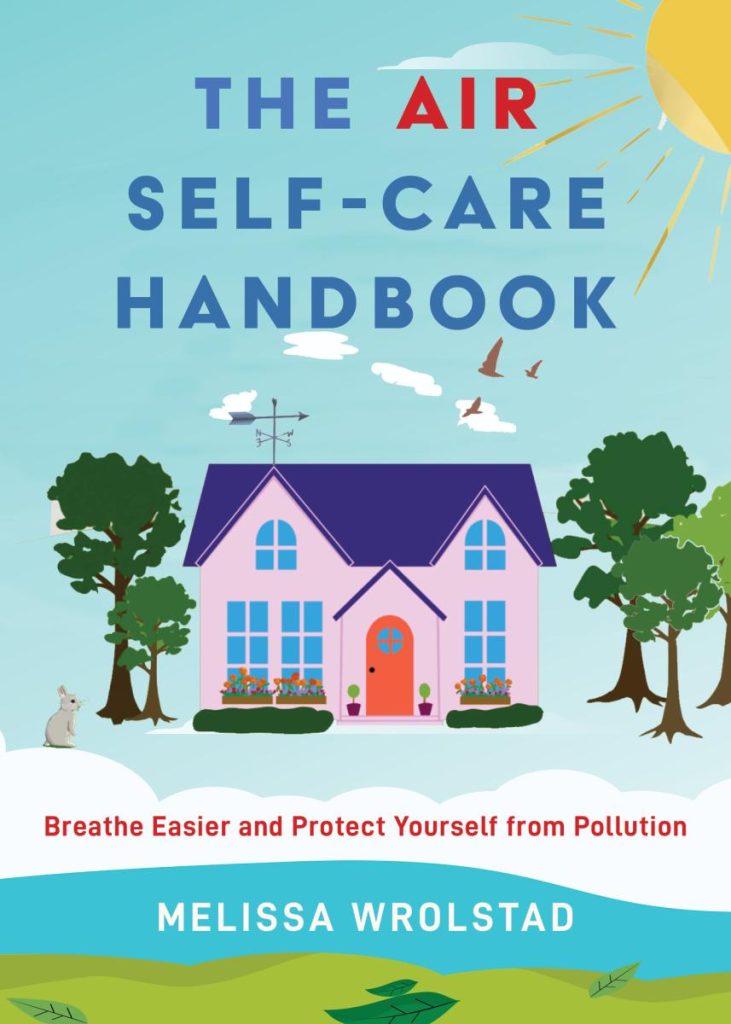
Want a simple and effective way to improve your health? Hoping to survive the next wildfire smoke event without going through ten inhalers? Breathe easier with the practical support of this air care handbook, where you’ll find expert guidance on air quality and effective steps that you, a non-scientist, can take to preserve—and enhance—your own air health.
Sustainability consultant, engineer, and healthy building design expert Melissa Wrolstad handily distills the technical aspects of healthy air best practices, including strategies that people on any budget can implement with no need for fancy tools or training, and guides you through air exercises you can do in buildings you frequent. You’ll be equipped with the principles of indoor and outdoor air quality, understand common pollutants such as dust, smog, and radon, and learn strategies for how to protect yourself, your pets, and your loved ones from their effects. Written with passion and tons of research, The Air Self-Care Handbook offers insight and expertise at a time when reliable, non-governmental resources are more crucial than ever.
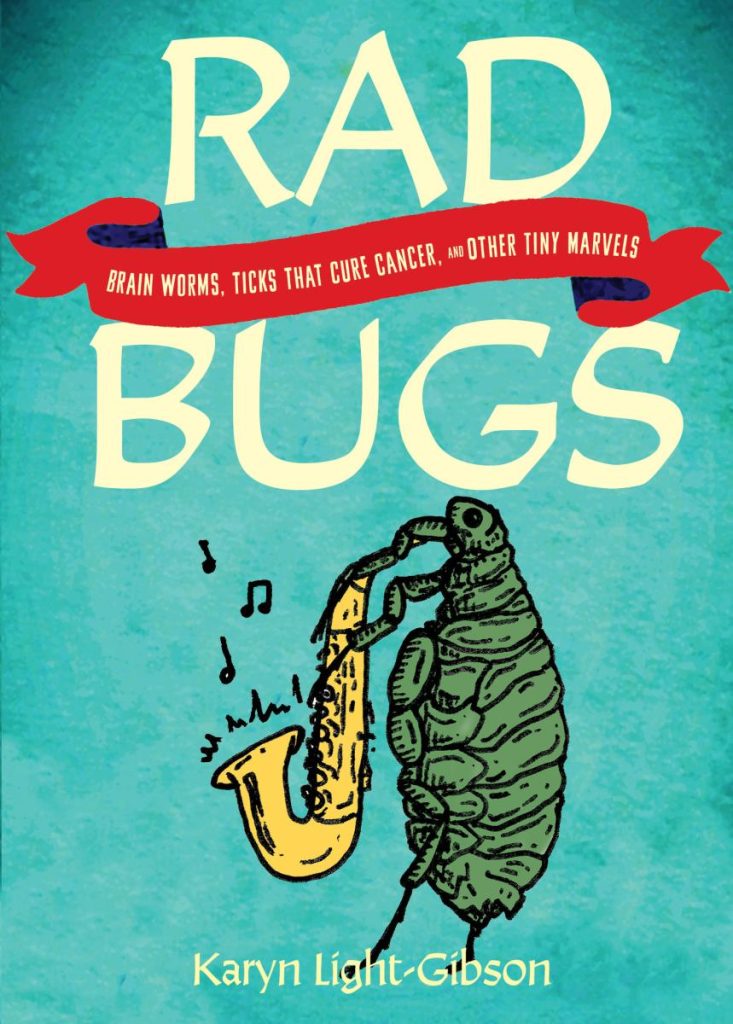
Get acquainted with the little creepy crawlies who make our world go ’round in this enthusiastic and informative love letter to the beauty of bugs by Karyn Light-Gibson, the author of Bug Life. This time around, Light-Gibson introduces us to under-appreciated insects like fleas, lice, silverfish, and earwigs. And then she opens up the wide world of non-insect invertebrates, taking us on a rollercoaster ride through the world of scorpions, spiders, ticks, millipedes, and even crayfish and snails.
She offers fascinating, fun, and sometimes gross facts about how each of these bugs has shaped our world, from ancient times to today. She debunks common myths (no, you probably do not actually eat eight spiders per year). And she gives guidance on how humans can co-exist more peaceably with these creatures we often fear or see as pests—but who we also rely on for a viable ecosystem.
Read for the trivia night facts, to help cure your arachnophobia, or if you just want to gain a new appreciation for more of the tiny creatures that we share the planet with but rarely stop to get to know.
Keep going to read an exclusive excerpt of Rad Bugs, available everywhere 3/10/26, shipping now from our site!
In 1996, Microcosm started in a small closet in a poorly insulated house. It wasn’t intended to be a job or an organization, or even a business. Thirty years later, this has turned out to be one Microcosm’s strengths. We’ve always intended to solve a very real problem, no matter how unrealistic the set of circumstances and challenges.
This week on the podcast, hang out with Joe and Elly as they take you through Microcosm’s origins, how we got here, and what lessons they’ll be taking into the next 30 years.
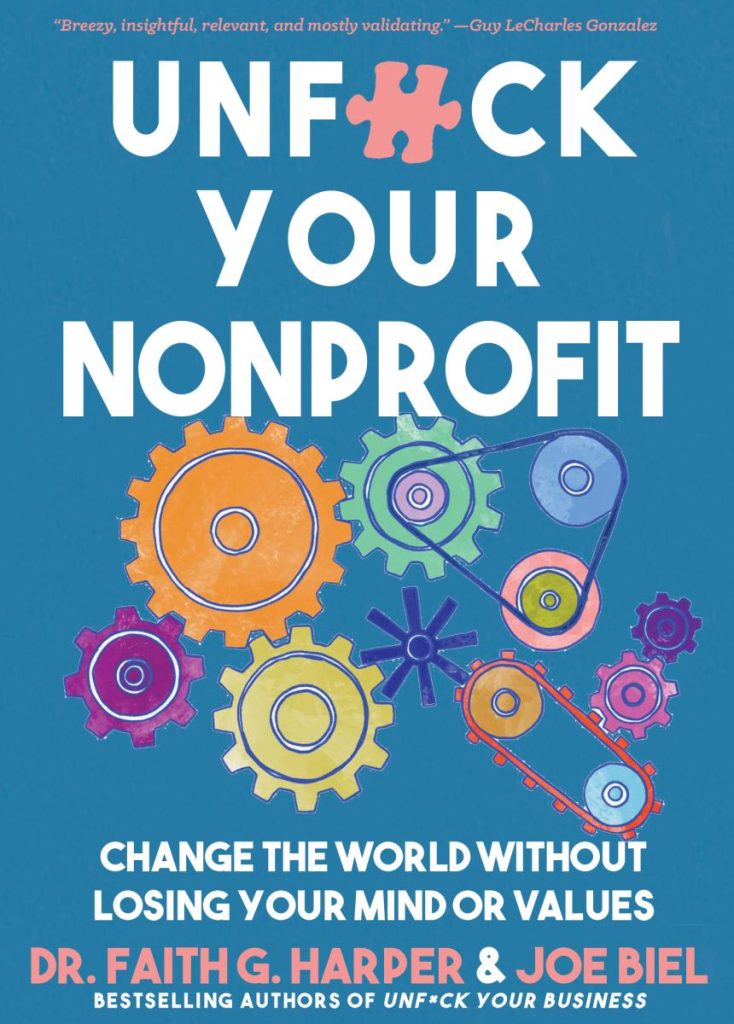
Idealists, gather round! How do you pursue your passionate cause to the fullest while still meeting your own needs? How do you solve the world’s problems without perpetuating problematic dynamics in your organization? How do you put your energy into fighting for liberation instead of fighting with your board?
Therapist Dr. Faith G. Harper and business leader Joe Biel, co-authors of Unfuck Your Business, bring their decades of experience in nonprofits to lend perspective and practical approaches to your thorniest issues with serving the public good. In these pages, you’ll learn to work more effectively with your team, resolve interpersonal conflicts, deal with severe dysfunction, and unpack your own baggage. If you’re struggling as a volunteer, worker, or board member, or starting a new not-for-profit or charity and want to create an organization that’s aligned with your values, there’s key wisdom here for you.
Read an exclusive excerpt of Unfuck Your Nonprofit, shipping now from our site or from a shop near you!:
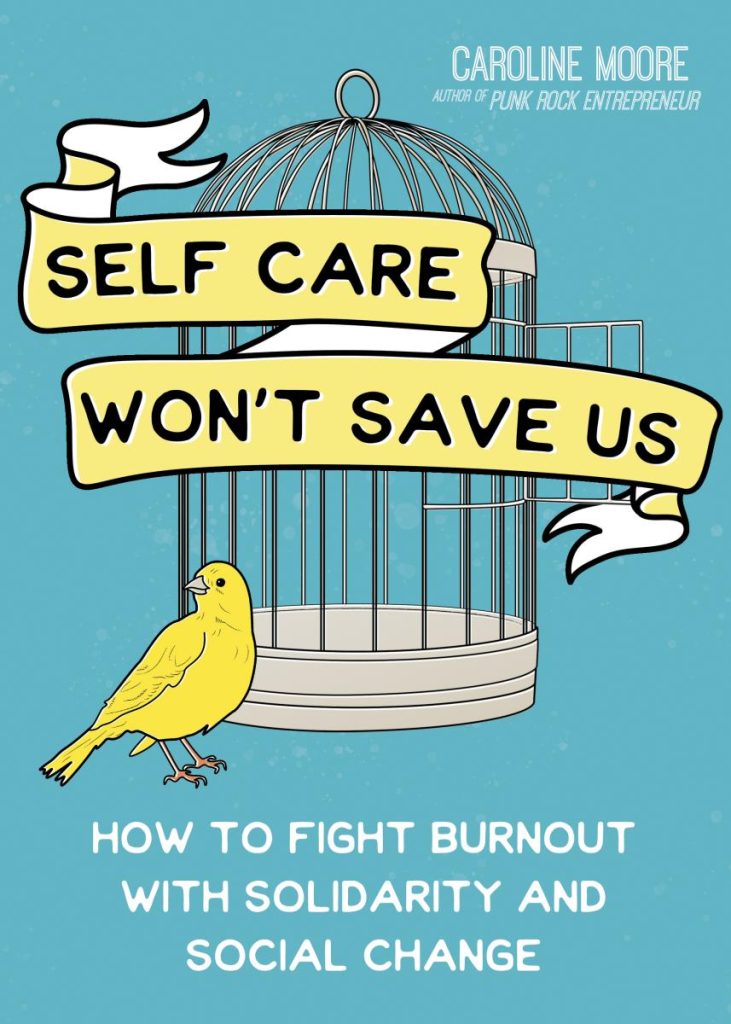
Is the daily grind getting you down? You’re not alone! More than half of working adults in the U.S. say they’re experiencing at least some degree of that dreaded late-stage-capitalism affliction: burnout. But workplace well-being needn’t remain out of reach. With a focus on actionable alternatives, Self Care Won’t Save Us examines the mash-up of money and morality that got us into this mess alongside practical ways we can get ourselves out of it.
Author Caroline Moore digs into hustle culture’s takeover of the way we do business, how its rise has allowed work to creep into every aspect of our daily lives, and how we can re-envision what work is and what it should mean to us. Exploring possibilities like co-op models, shorter working weeks, policy changes in the workplace, and other simple adaptations to help you to thrive, this book offers real tools to battle burnout, rather than burning you out with more burnout facts. Whether you’re a business owner, a union steward, a new employee, or a freelancer, this is the working person’s guide to making positive change for ourselves and each other.
Read an exclusive excerpt of Self-Care Won’t Save Us, shipping now from our site or from a shop near you!:
A LOT goes into the planning of conferences, signings, and basically every event. How do you make sure it’s accessible to everyone who wants to come? It goes beyond just making sure your space is ADA accessible!
Dr. Alex D. Ketchum’s new book, “How to Organize Inclusive Events & Conferences,” is full of practical tips, templates, and guidance for organizing accessible, inclusivity-oriented events. This week on the pod, Alex joins Joe and Elly to talk about accessibility, favorite feminist restaurants, and, of course, planning inclusive events and conferences.