Perimenopause is a time when our souls long for change.
The mood swings and physical discomfort as our reproductive system winds down can make it feel like our bodies and brains are betraying and victimizing us. Our Sacred Cycleauthor Mary McDonald, a therapist who works with people with PMS, PMDD, trauma, and other reproductive health issues, reframes that betrayal as an intervention and opportunity. With inclusive language and compassionate, practical understanding, she brings affirmation, insight, and science to help us navigate our out-of-control emotions, let go of what no longer serves us, and step fully into our power and wisdom.
McDonald invites us to examine what the huge moods of midlife are really telling us. She offers an explanation of what is actually going on with our hormones, offering the facts behind our feelings from the internalized patriarchal messages that lead us to mistrust and mistreat our bodies and minds. The map she draws for our journey is one of shadow work and soul retrieval, a hero’s journey in which we stop trying to “fix” ourselves and rediscover the person we were supposed to be. The greatest prize is to finally get to meet the wise, experienced, and unapologetically authentic soul we were always meant to become.
Keep going to read an excerpt of Mary McDonald’s The Perimenopause Journey! Available now through our site, or via your favorite independent Microcosm peddler 🙂
Drawing on 30 years of experience operating an independent publishing company, Microcosm founder and CEO Joe Biel has written the most accessible and comprehensive guide to running a successful publishing business. You’ll learn all the skills of the trade, including how to:
Develop your individual books to connect with readers on a practical and emotional level
Choose between offset printed, digitally printed, and ebook formats and work effectively with printers
Build an authentic niche so you can reach your audience and sell books directly
Understand if and when you’re ready to work with a distributor or large online retailer
Create a budget and predict the cost and income of each book so your company stays in the black
Decide what work you need to do yourself and what can be done by others
Plan for sustainable growth
Featuring interviews with other upstart independent publishers and funny anecdotes from publishing’s long history as well as detailed charts and visuals, this book is intended both for beginners looking for a realistic overview of the publishing or self-publishing process and for experienced publishers seeking a deeper understanding of accounting principles, ways to bring their books to new audiences, and how to advance their mission in a changing industry. All readers will come away with the confidence to move forward wisely and a strong sense of why publishing matters today more than ever.
Keep going to read an excerpt of Joe Biel’s A People’s Guide to Publishing! Available now through our site, or via your favorite independent Microcosm peddler 🙂
Whether you are overwhelmed by the bounty of your home garden or you want to get smarter about using what’s in your fridge, this friendly and informative guide will walk you through the steps to preserving and storing your own (delicious!) food. In her trademark welcoming style with charming illustrations, Raleigh Briggs offers up her knowledge on canning, brining, fermentation, drying, and storing everything from fresh vegetables to fish. With step by step instructions, recipes, and helpful tips, this guide will allow you to embrace a more sustainable, low-waste, and cost-saving relationship to food while empowering you with new skills. Eat healthy and cheap all year round!
Keep going to read an excerpt of Raleigh Briggs’s Save Your Food! Printing came through early, so it’s available NOW through our site, well in advance of the technical October 2026 pub date!
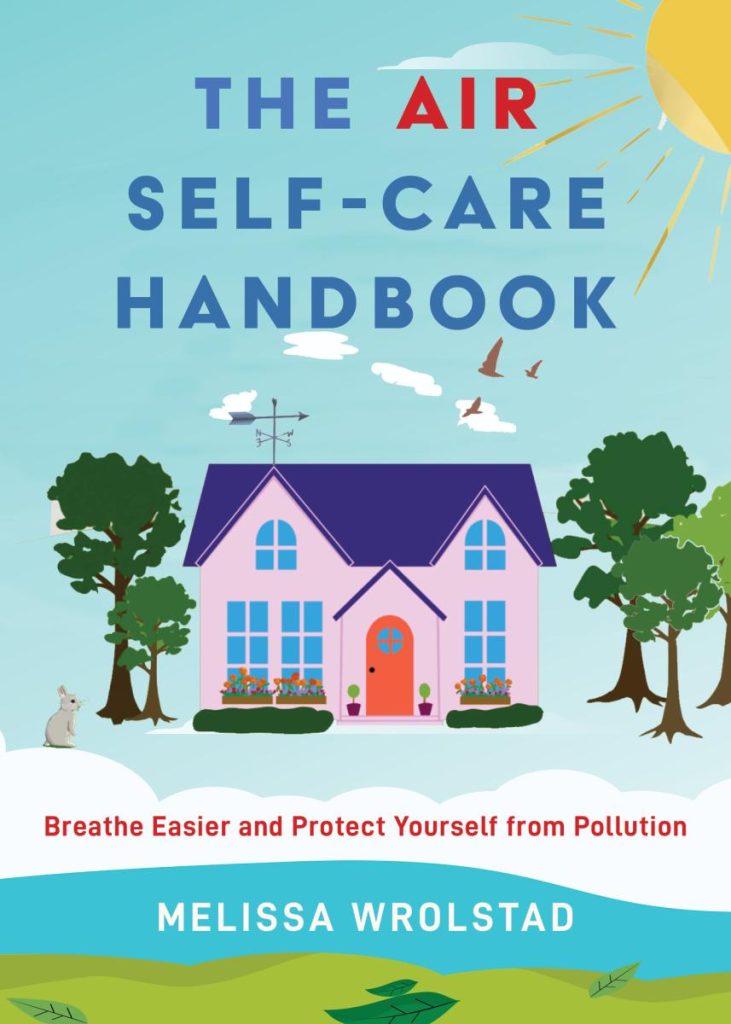
Want a simple and effective way to improve your health? Hoping to survive the next wildfire smoke event without going through ten inhalers? Breathe easier with the practical support of this air care handbook, where you’ll find expert guidance on air quality and effective steps that you, a non-scientist, can take to preserve—and enhance—your own air health.
Sustainability consultant, engineer, and healthy building design expert Melissa Wrolstad handily distills the technical aspects of healthy air best practices, including strategies that people on any budget can implement with no need for fancy tools or training, and guides you through air exercises you can do in buildings you frequent. You’ll be equipped with the principles of indoor and outdoor air quality, understand common pollutants such as dust, smog, and radon, and learn strategies for how to protect yourself, your pets, and your loved ones from their effects. Written with passion and tons of research, The Air Self-Care Handbook offers insight and expertise at a time when reliable, non-governmental resources are more crucial than ever.
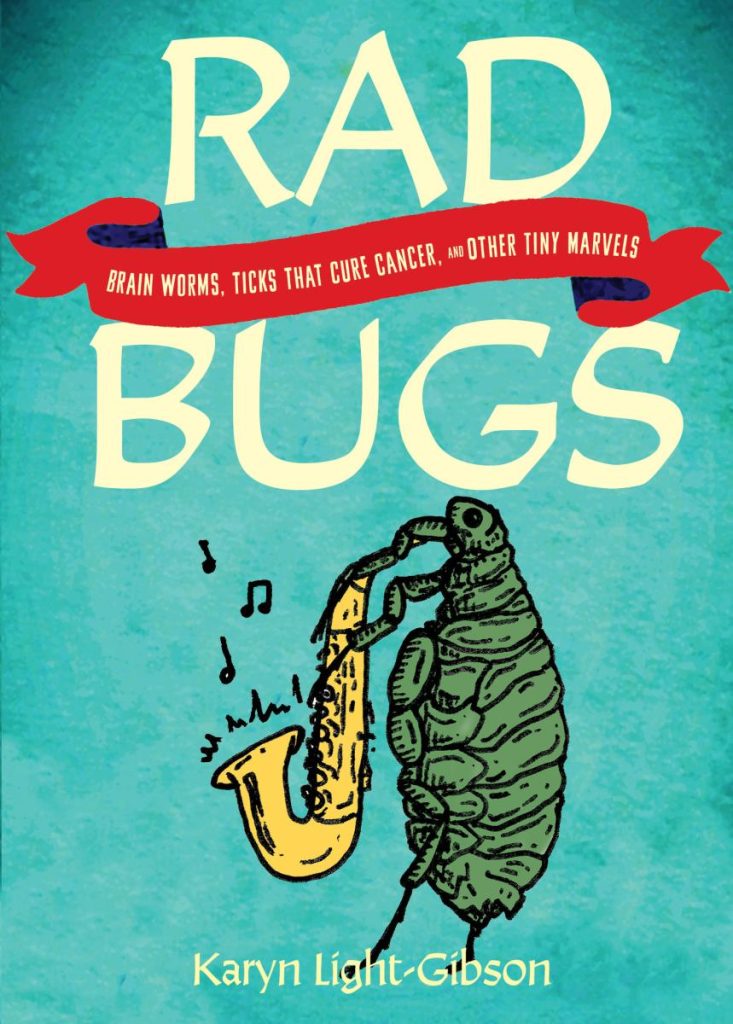
Get acquainted with the little creepy crawlies who make our world go ’round in this enthusiastic and informative love letter to the beauty of bugs by Karyn Light-Gibson, the author of Bug Life. This time around, Light-Gibson introduces us to under-appreciated insects like fleas, lice, silverfish, and earwigs. And then she opens up the wide world of non-insect invertebrates, taking us on a rollercoaster ride through the world of scorpions, spiders, ticks, millipedes, and even crayfish and snails.
She offers fascinating, fun, and sometimes gross facts about how each of these bugs has shaped our world, from ancient times to today. She debunks common myths (no, you probably do not actually eat eight spiders per year). And she gives guidance on how humans can co-exist more peaceably with these creatures we often fear or see as pests—but who we also rely on for a viable ecosystem.
Read for the trivia night facts, to help cure your arachnophobia, or if you just want to gain a new appreciation for more of the tiny creatures that we share the planet with but rarely stop to get to know.
Keep going to read an exclusive excerpt of Rad Bugs, available everywhere 3/10/26, shipping now from our site!
Fight back against censorship and empower your community with this close look at the book banning movement.
In a moving, compulsively readable call to arms for readers everywhere, Danny Caine, bestselling author of How to Resist Amazon and Why and How to Protect Bookstores and Why, offers an expertly-crafted confrontation of far-right, Christian nationalist attempts to reshape American culture through ban campaigns targeting schools, libraries, bookstores, and prisons, with the aim to silence marginalized identities in life and in literature.
From the first-ever banned books display at San Francisco’s City Lights in the 1950s to the rapid rise of so-called Moms For Liberty during the COVID-19 pandemic to attempts to silence Palestinian authors, Caine charts the course of repressive censorship campaigns, along with the creative and sometimes unlikely activists who’ve stood up against them. Each chapter is based on a particular book banning episode, bolstered by research and legal precedent, and concludes with helpful takeaways for further reading or resistance. Throughout, Caine approaches these heated issues with gentle openness harkening back to his work as a public school teacher and a bookseller. He emphasizes our collective responsibility towards art, free speech, and each other.
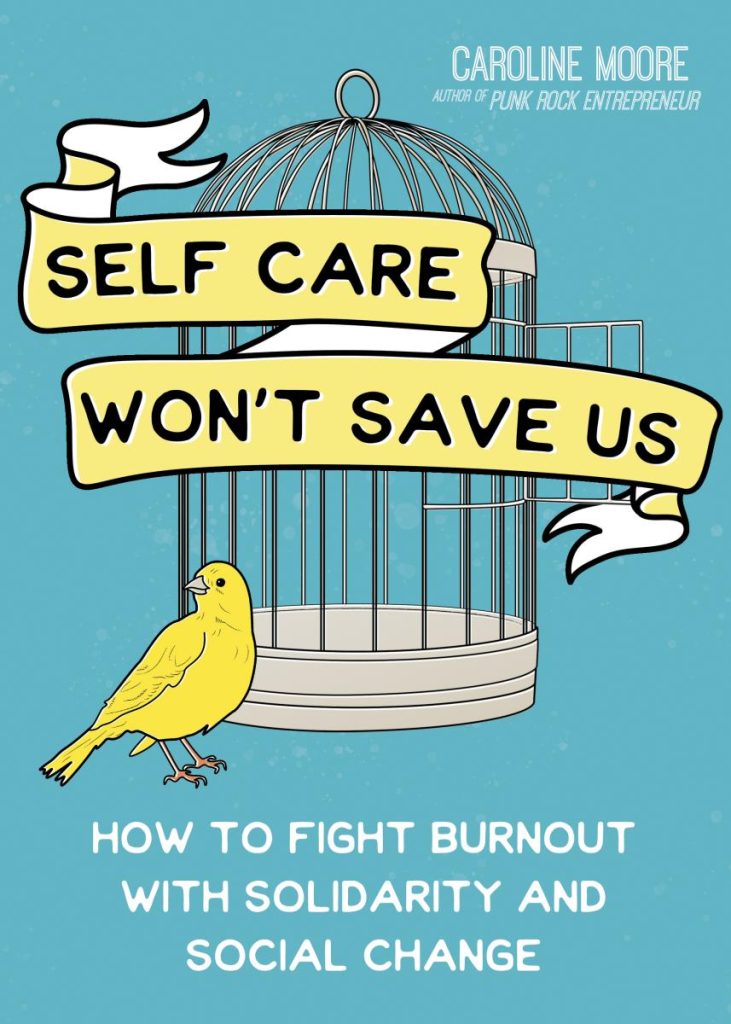
Is the daily grind getting you down? You’re not alone! More than half of working adults in the U.S. say they’re experiencing at least some degree of that dreaded late-stage-capitalism affliction: burnout. But workplace well-being needn’t remain out of reach. With a focus on actionable alternatives, Self Care Won’t Save Us examines the mash-up of money and morality that got us into this mess alongside practical ways we can get ourselves out of it.
Author Caroline Moore digs into hustle culture’s takeover of the way we do business, how its rise has allowed work to creep into every aspect of our daily lives, and how we can re-envision what work is and what it should mean to us. Exploring possibilities like co-op models, shorter working weeks, policy changes in the workplace, and other simple adaptations to help you to thrive, this book offers real tools to battle burnout, rather than burning you out with more burnout facts. Whether you’re a business owner, a union steward, a new employee, or a freelancer, this is the working person’s guide to making positive change for ourselves and each other.
Read an exclusive excerpt of Self-Care Won’t Save Us, shipping now from our site or from a shop near you!:
This week on the pod, Teresa Bergen, author of the zine (and now paperback book!) “Sober Travel Handbook” joins Joe, Elly, and Bernie talk traveling without drinking, the rise in mocktail culture, sobriety and recovery, and everything that went into developing the zine into a full book.
Get “Sober Travel Handbook”: https://microcosmpublishing.com/catalog/books/47854
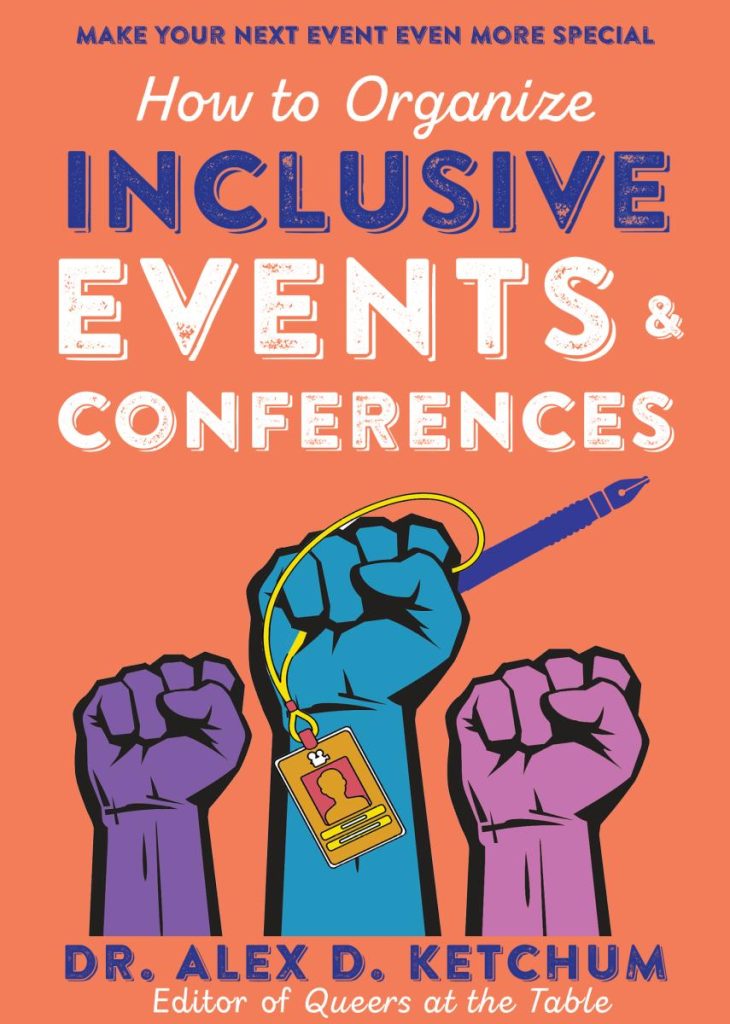
Make your next event even more special—and accessible
The ultimate guide to creating welcoming, safe, and accessible gatherings for everyone. With detailed strategies and illustrative examples, How to Organize Inclusive Events and Conferences uses principles of design justice to share how to put on truly inclusive occasions built for the needs and abilities of all. If you’ve ever attended or hosted conferences, organize events for fun or for a living, or if you have ever thought, “I guess these spaces just aren’t made for me and I wish I could change that,” this book is written for you!
Expert events organizer Alex D. Ketchum provides the ethical framework of what true inclusion in action means, considering a broad variety of identities and experiences such as economic hardship, childcare needs, racial and ethnic identities, disabilities, neurodivergence, and more. Whether you’re hosting an academic symposium, an activist meeting, a feminist zinefest, or a comics con, Ketchum offers a step-by-step guide through the planning and execution process, with useful tips, timelines, and templates along the way. This book is an indispensable companion to building events and conferences from an ethic of care, allowing us to cultivate authentic community and to create the better world we desire—together.
Have you ever wanted to organize a public event? Do you dream of hosting a battle of the bands, film screenings, concerts, poetry readings, art shows, teach-ins, lectures, seed exchanges, zine workshops, and panels? What about a conference? Maybe you already have experience doing this work but you have noticed that inequities from the society-at-large are replicated at your events, despite best intentions.
The goal of this book is to provide event and conference organizers of all levels with the tools to make their events accessible, sustainable, and rooted in social justice principles. Whether you are new to organizing or highly experienced, this book will provide frameworks and practical tips to create inclusive events. No matter the kind of event or conference you are interested in organizing, whether large or small, online, in-person, hybrid, synchronous, or asynchronous, this book includes what you need to know. From the smallest details (such as what to have in your bag on the day of the gathering) to large topics (such as choosing a location, selecting presenters, funding, designing publicity materials, working with community partners, etc.)
This book draws on my experience organizing hundreds of public events, including:
100+ events for Disrupting Disruptions: The Feminist and Accessible Publishing, Communications, and Tech Hybrid Speaker and Workshop Series
Several conferences, including:
Queer Food Conference (Boston and Montréal)
Food, Feminism, and Fermentation Conference
Circuits de consommation, a food, feminism, and technology conference
Multiple Feminist Research Colloquiums
I have also organized concerts, book launches, pumpkin festivals, sports tournaments, dances, parties, potlucks, podcasting workshops, film screenings, rallies, marches, and parades. As both an organizer and attendee, I have paid attention to what worked, what did not work, and what could be improved. I will also share insights from other event organizers, disability justice activists, feminist educators, and queer designers.
How we do the work is the work. In this book, I hope to help you organize events and conferences that reflect the ethos that inspired your event in the first place. We will explore how decisions over signage, outreach, website design, food, pricing, venue, technology, and so much more can foreground queer, feminist, accessible, socially just, and inclusive principles. This book will help you host an event or conference in which everyone who takes part feels included, supported, and valued!
This book begins in Part 1 by exploring the foundations of inclusive event and conference organizing. Part 2 focuses on event organizing. Much of the content in Part 2 informs Part 3, which focuses specifically on conference planning. Part 4 focuses on your needs as an organizer.
One other note: Part 2, the section on events, can inform your conference organizing decisions . . . because conferences are, in essence, a series of smaller events, grouped together.
While each section of the book builds on the next, I encourage you to flip to different sections as they are most useful for you. Templates for your event and conference organizing are distributed throughout the book. If your phone has word detection capabilities, you can turn your camera app on and select the text so you can use the templates more readily. Adjust them to your needs.
Finally, although I may mention certain applications and software, technology is ever-evolving. I encourage you to focus more on the technological capabilities of any tool (whether paper, email, computer software, or a phone app) and how they can serve the values of your conference rather than the exact software I discuss.
This book contains information that will help guide your decisions to ensure that your event is inclusive and reflects your goals and values.
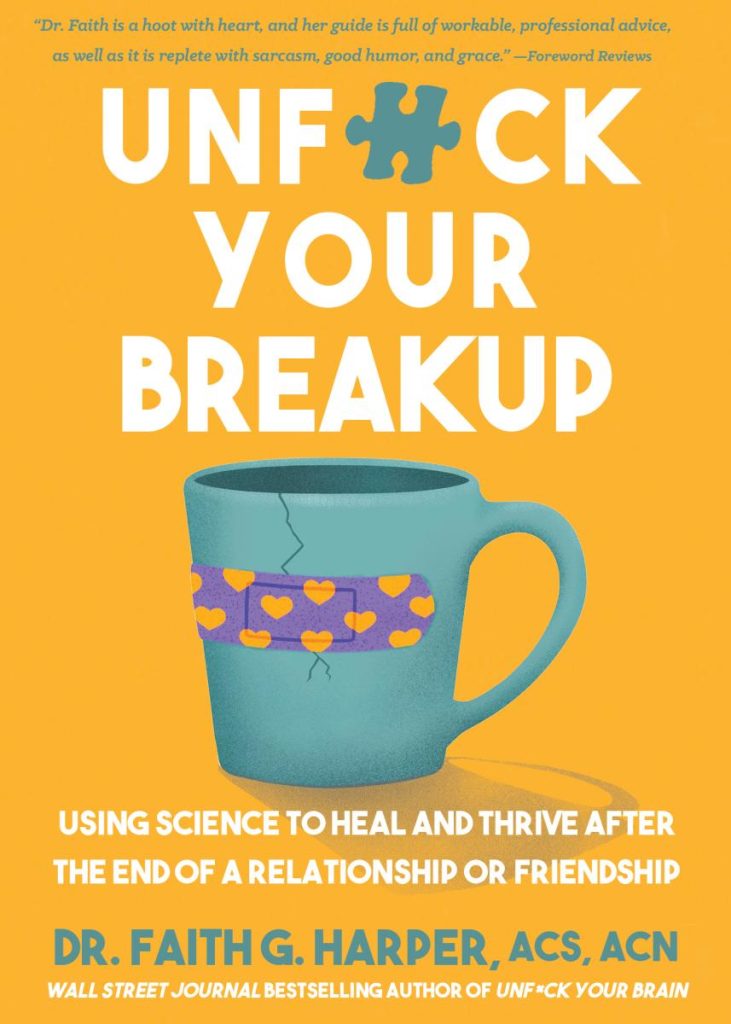
Breaking it off? Got dumped? Parting ways with a pal? Ouch, that hurts. Even beyond the heartache, embarrassment, and logistical strain of the moment, breakups can summon up all our old baggage to play havoc with our lives and heads.
Dr. Faith G. Harper, bestselling author of books like Unfuck Your Brain and Unfuck Your Intimacy, brings you a kind, relatable, and plain-language guide to all things break-up: deciding to do it (or not), doing the thing, and picking up the pieces afterward to build a life that suits you better than ever. Whether or not the breakup was your idea, or if the partnership was romantic, sexual, or platonic, no matter the seriousness of the bond or the shared responsibilities and finances involved, parting ways can be a canon life event with powerful transformational potential as you rise from the wreckage. And it’s never too late to come back to your best self.
Keep reading for an excerpt of Dr. Faith G. Harper’s Unfuck Your Breakup,shipping now from our site and available through your favorite purveyors of indie books!